In industrial and construction environments, the safe and efficient operation of overhead cranes is paramount. At the heart of this safety system lies a critical component: the crane hoist limit switch. This device is not merely an accessory but a fundamental safeguard, designed to prevent catastrophic over-hoisting incidents that can lead to equipment damage, costly downtime, and, most importantly, severe personal injury.
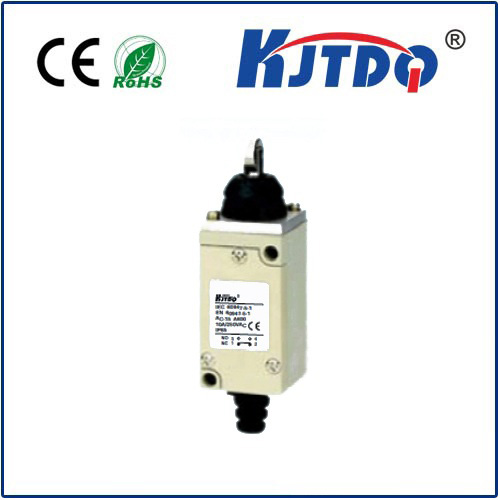
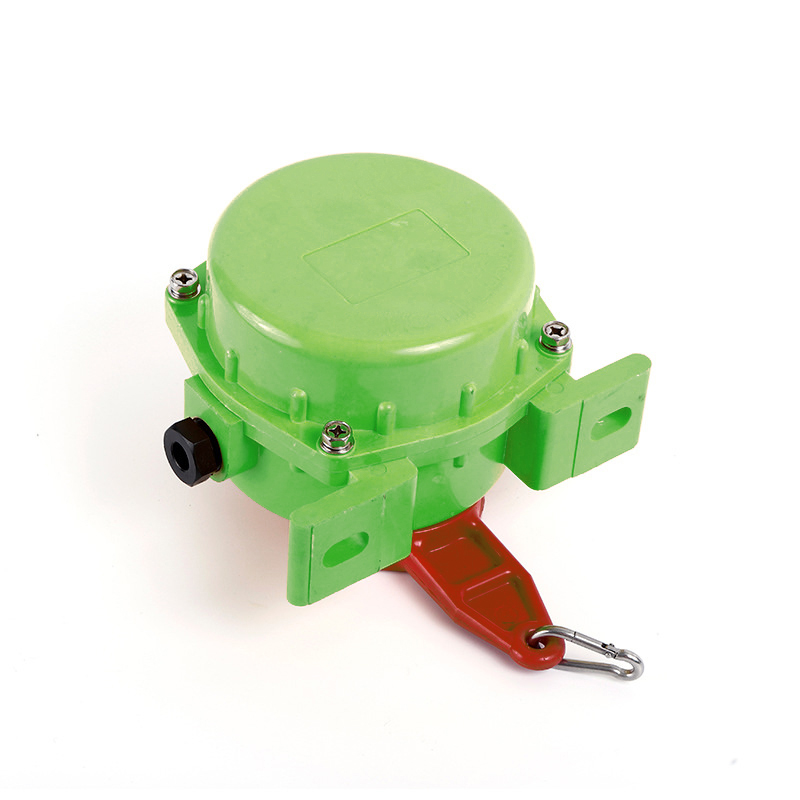
A crane hoist limit switch functions as an automatic cutoff mechanism. It is strategically installed on the crane's hoisting mechanism to monitor the hook or load block's vertical travel. When the hook approaches a predefined upper or lower limit, the switch is actuated. This action immediately interrupts the power supply to the hoist motor, halting further movement in that direction. This simple yet effective intervention is the last line of defense against the hook colliding with the drum or the load block striking the boom, events that can cause wire rope failure or structural damage.
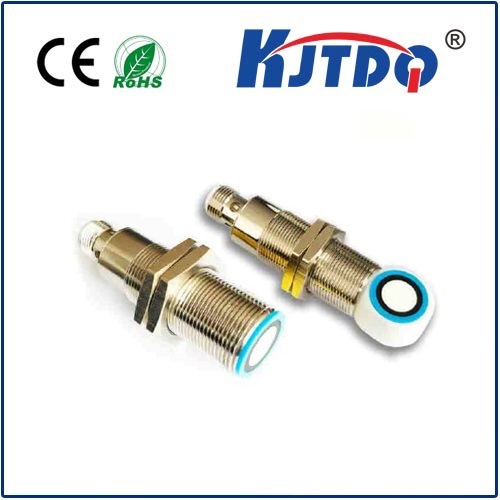
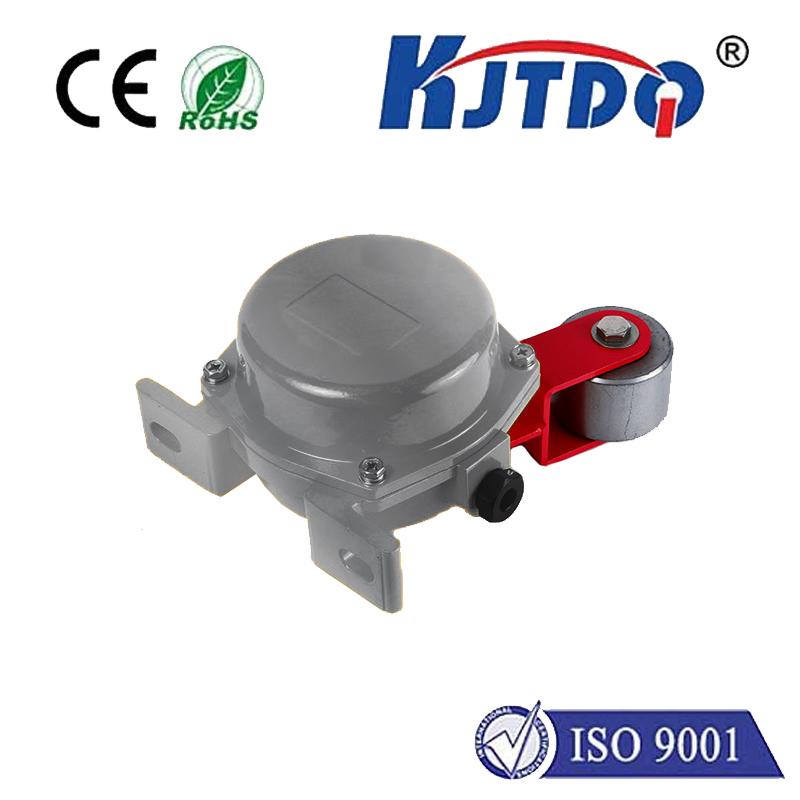
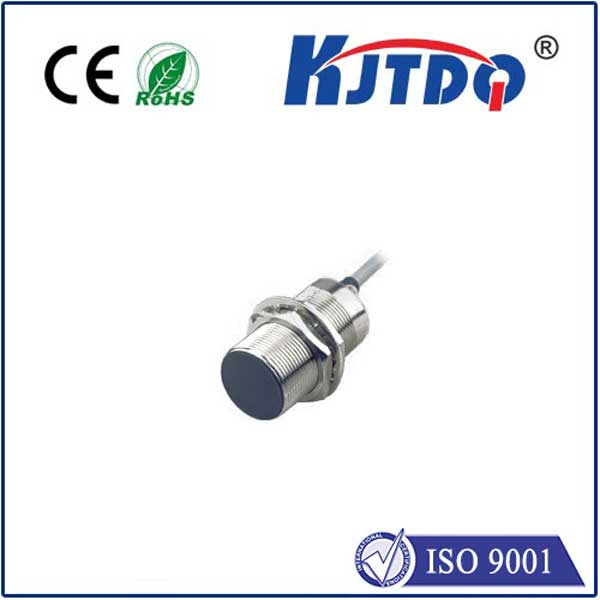
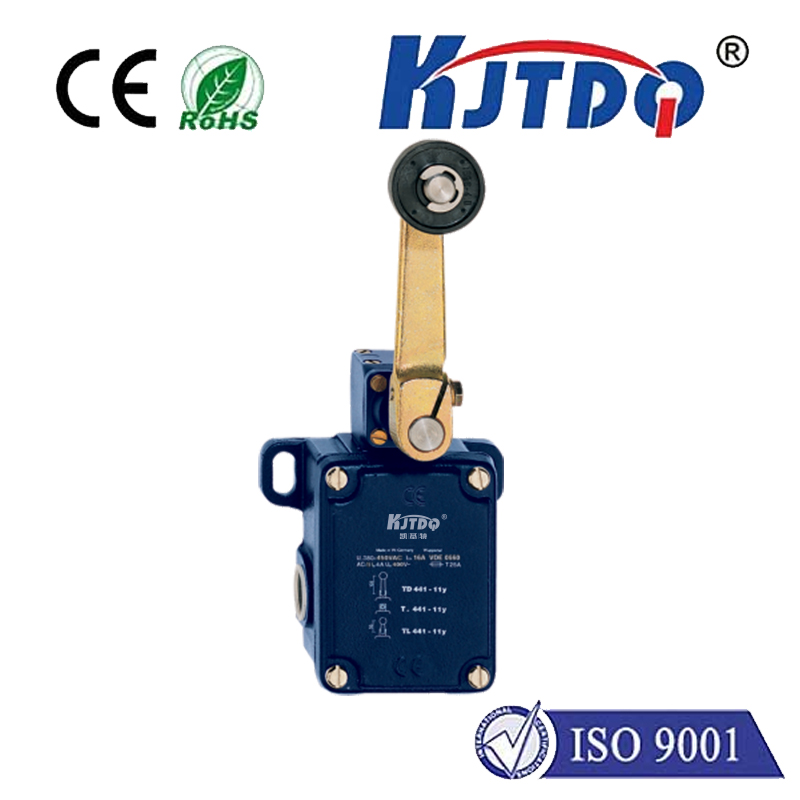
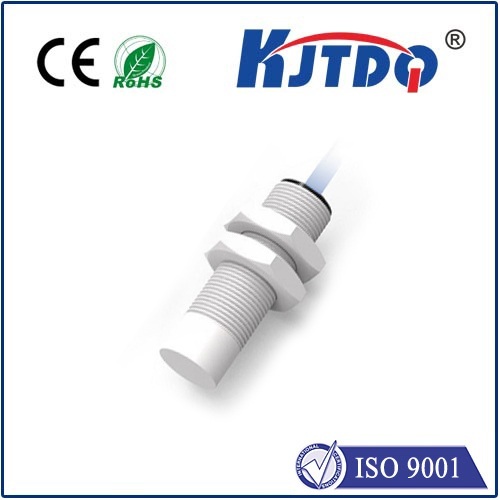
Modern hoist limit switches come in various types, each suited to specific applications and precision requirements. Mechanical lever-arm switches are common and robust, physically triggered by contact with the moving hook assembly. Rotary cam switches offer more precise multi-point control by using a rotating cam to activate contacts at set positions. For applications demanding the highest accuracy and minimal physical contact, proximity sensors or encoder-based systems are increasingly deployed. These advanced systems provide digital feedback and can be integrated into the crane's programmable logic controller (PLC) for sophisticated monitoring and diagnostics.
The benefits of a properly maintained and correctly set limit switch extend far beyond basic accident prevention. Firstly, it protects the crane's mechanical integrity. Preventing over-travel reduces stress on the hoist motor, gearbox, wire rope, and drum, significantly extending the service life of these expensive components and reducing maintenance costs. Secondly, it enhances operational efficiency. Operators can work with greater confidence and speed, knowing the system has an automatic safety stop. This reduces operator fatigue and minimizes the need for constant, vigilant monitoring of hook position, allowing focus to remain on load control and placement.
However, the mere presence of a limit switch is insufficient. Its reliability hinges on rigorous inspection and maintenance. Regular testing is mandatory. Operators should perform a functional test at the start of each shift, verifying that the switch activates and cuts power before the physical limits are reached. Maintenance schedules must include checking for wear on mechanical components, ensuring proper alignment, verifying electrical connections are secure and free of corrosion, and confirming that the stopping point is accurately calibrated. A switch that is improperly set or bypassed—a dangerous practice sometimes employed to "get the job done"—is worse than having no switch at all, as it creates a false sense of security.
Compliance with international and national safety standards is non-negotiable. Regulations such as OSHA (Occupational Safety and Health Administration) in the United States, ASME B30.2, and various ISO standards explicitly mandate the use of functional limit switches on overhead cranes. Regular inspections by certified professionals ensure not only compliance but also identify potential issues before they lead to failure. Investing in high-quality limit switches from reputable manufacturers and adhering to a strict maintenance protocol is an investment in workplace safety, asset protection, and uninterrupted productivity.
In conclusion, the crane hoist limit switch is a quintessential example of engineering for safety. It is a small device with a monumental responsibility. By ensuring its proper selection, installation, and upkeep, facility managers and crane operators uphold the highest standards of operational safety, protect valuable capital equipment, and foster a culture of efficiency and reliability on the worksite. Never underestimate the critical role this component plays in every lift cycle; it is the silent guardian that allows heavy industry to rise to the challenge, safely and consistently.