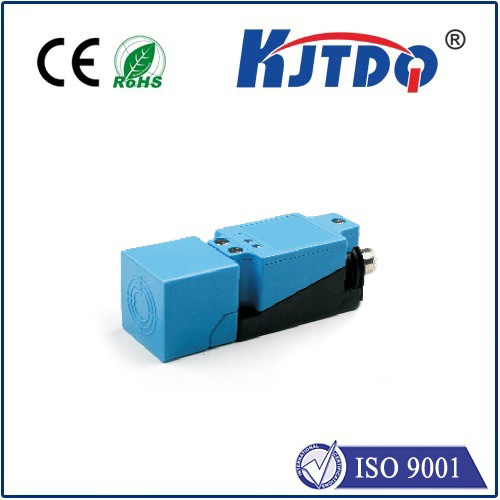
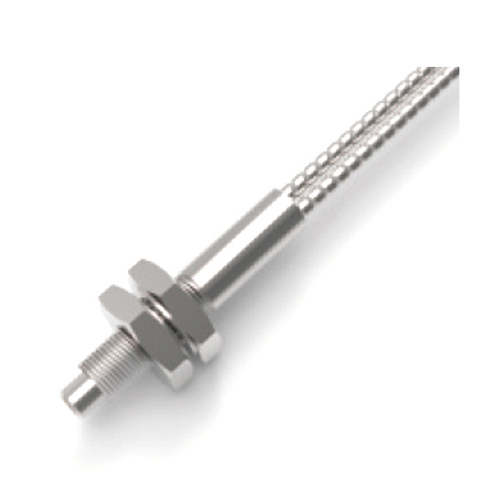
In the world of precision engineering and automation, the micro switch limit stands as a cornerstone component, enabling accurate control and reliable operation in countless applications. Often referred to as a limit switch or snap-action switch, this device is designed to detect the presence or absence of an object, or to monitor the position of a moving part, thereby triggering a specific action within an electrical circuit. Its fundamental principle is elegantly simple: a small physical movement of its actuator—be it a lever, roller, or plunger—causes a rapid "snap-action" inside the switch, making or breaking an electrical connection with high precision and repeatability.
The significance of the micro switch limit lies in its unparalleled reliability and durability. Engineered to withstand millions of operational cycles, these switches are built with robust materials that resist environmental factors such as dust, moisture, and temperature fluctuations. This makes them indispensable in industries ranging from manufacturing and robotics to home appliances and automotive systems. For instance, on a production line, a micro switch limit can ensure a robotic arm stops precisely at a designated point, preventing overtravel and potential damage. In a household printer, it might detect when the paper tray is empty, prompting a user alert. The versatility of these components is further enhanced by their various actuator types and electrical ratings, allowing engineers to select the perfect model for specific force, travel, and load requirements.
When integrating a micro switch limit into a system, several critical factors must be considered to optimize performance. The operating force, which is the amount of pressure needed to actuate the switch, must align with the mechanical forces present in the application. Similarly, the pretravel and overtravel distances—the movement before activation and the additional movement allowed after—are vital for ensuring proper alignment and longevity. Electrical specifications, including voltage, current rating (both AC and DC), and contact configuration (normally open or normally closed), must match the circuit's demands to prevent failure. Proper mounting is equally crucial; a securely installed switch minimizes vibration-induced errors and maintains consistent actuation points.
Beyond basic functionality, modern advancements have expanded the capabilities of micro switch limits. Sealed versions offer enhanced protection against harsh conditions, making them suitable for outdoor or washdown environments. Some models incorporate roller actuators to reduce wear when engaging with moving cams or machine parts, while others feature adjustable levers for fine-tuning the activation point without remounting the entire unit. The trend towards miniaturization has also led to ultra-compact micro switches that deliver reliable performance in space-constrained designs like wearable devices or advanced sensor modules.
Despite their robustness, micro switch limits are not immune to failure. Common issues include contact arcing from inductive loads, physical wear of the actuator, and contamination of internal contacts. Preventive maintenance, such as periodic inspection for loose mounting hardware, checking for signs of corrosion, and ensuring actuators move freely without obstruction, can significantly extend service life. When selecting a replacement or a new switch, consulting the manufacturer's datasheet for precise mechanical and electrical parameters is essential to maintain system integrity.
In conclusion, the micro switch limit remains a fundamental yet sophisticated tool for achieving precise mechanical-to-electrical control. Its design simplicity belies the critical role it plays in safety, efficiency, and automation across diverse sectors. By understanding its operating principles, key selection criteria, and maintenance needs, engineers and technicians can harness its full potential to create more reliable, responsive, and intelligent systems. As technology evolves, the core function of the micro switch limit—providing a definitive, repeatable signal at a precise physical point—continues to be irreplaceable in the pursuit of operational excellence.