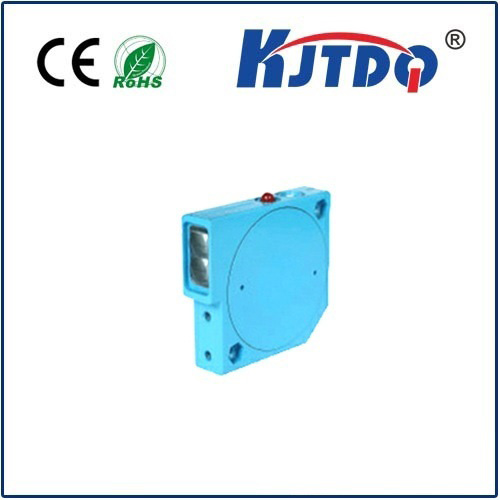
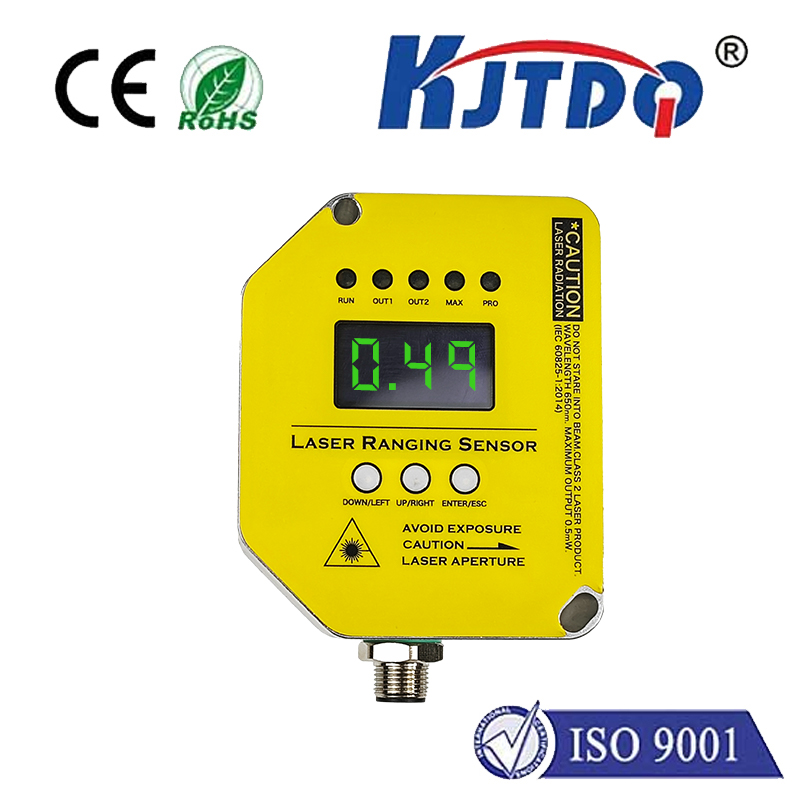
Photoelectric sensor circuits represent a fundamental component in modern automation and control systems, converting light energy into electrical signals to detect objects, measure distances, or monitor processes. The core principle relies on the photoelectric effect, where light photons striking a semiconductor material generate electron-hole pairs, resulting in a measurable change in current or voltage. A typical circuit integrates key components: a light source (often an LED or laser diode), a photodetector (such as a phototransistor, photodiode, or photoresistor), and signal conditioning electronics.
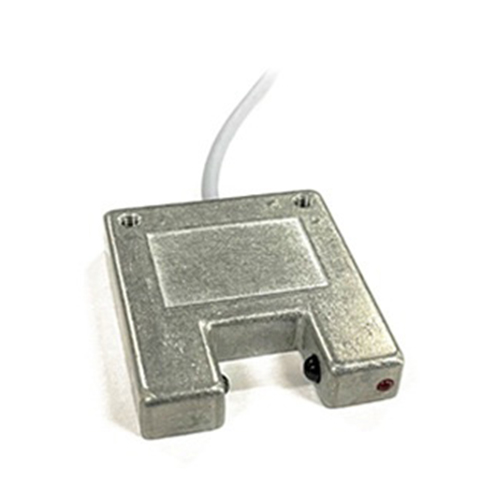
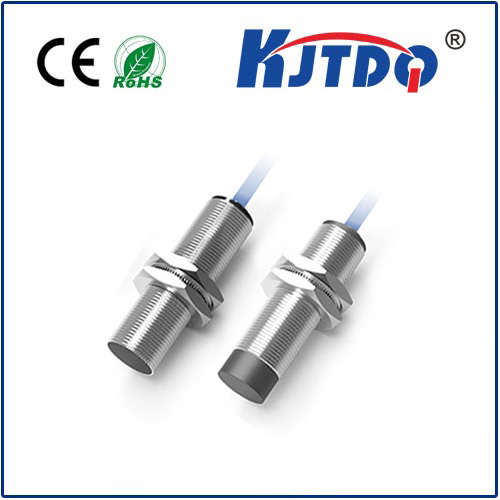
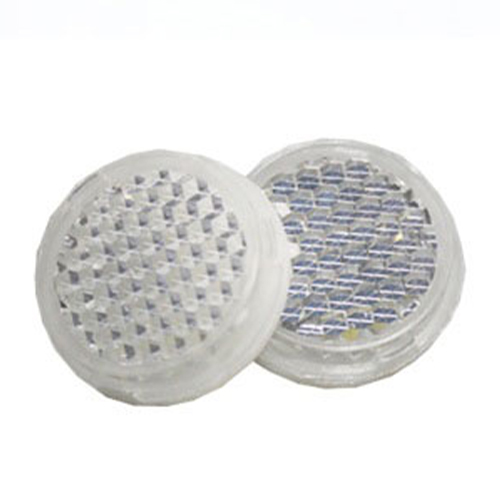
The design process begins with selecting the appropriate sensor type based on the application. For instance, through-beam sensors, where the emitter and receiver are separate units, offer the longest detection range and highest reliability for object presence detection. Retro-reflective sensors use a combined emitter-receiver and a reflector, providing easier alignment for medium-range applications. Diffuse or proximity sensors house both elements in a single unit, detecting objects based on the reflection of emitted light, ideal for short-range, compact installations.
Circuit design focuses on stability and noise immunity. The emitter side requires a constant current driver circuit to ensure consistent light output, unaffected by voltage fluctuations or temperature changes. This often involves using a transistor or dedicated driver IC with current-limiting resistors. For the receiver, the photodetector's output is typically weak and requires amplification. A transimpedance amplifier is commonly used with photodiodes to convert the small photocurrent into a usable voltage signal. Subsequent stages may include comparators with hysteresis to create a clean digital output, eliminating false triggers from ambient light or electrical noise. Filtering circuits, both hardware (RC filters) and software (in microcontroller-based systems), are crucial for rejecting interference from AC lighting sources like fluorescent lamps, which operate at 50/60 Hz or their harmonics.
Power supply design is equally critical. Regulated, low-noise power sources prevent erratic sensor behavior. In industrial environments, protection circuits against voltage spikes, reverse polarity, and electromagnetic interference (EMI) are mandatory. Shielding and proper grounding techniques separate sensitive analog signal paths from noisy digital or power lines on the PCB.
The applications of photoelectric sensor circuits are vast. In manufacturing, they count products on conveyor belts, detect labels, and ensure correct packaging. They form the safety curtains in automated machinery, instantly halting operation if a beam is broken. In consumer electronics, they adjust screen brightness based on ambient light or serve as proximity sensors in smartphones. Advanced versions, like color sensors or contrast sensors, use multiple wavelengths and sophisticated processing for complex sorting tasks.
Recent advancements integrate digital intelligence directly into the sensor module. Smart sensors with IO-Link or other industrial communication protocols not only provide a detection signal but also transmit diagnostic data, such as lens contamination levels or internal temperature, enabling predictive maintenance. Analog-output versions provide continuous distance measurement for precise positioning.
When implementing a photoelectric sensor circuit, engineers must consider the target object's properties (color, material, surface finish), the operating environment (dust, fog, temperature extremes, ambient light), required response time, and output compatibility with PLCs or microcontrollers. Proper optical design, including lens selection for beam focusing or collimation, dramatically affects performance. Regular maintenance, primarily lens cleaning, ensures long-term reliability.
Ultimately, a well-designed photoelectric sensor circuit provides a non-contact, fast, and reliable solution for countless detection challenges. Its versatility and continual evolution with miniaturization and smarter interfaces ensure its enduring role as a cornerstone of industrial automation and electronic system design.