In the intricate world of modern HVAC systems, the inducer pressure switch stands as a critical, yet often overlooked, guardian of efficiency and safety. This small but vital component plays a pivotal role in the operation of high-efficiency furnaces, particularly those with an Annual Fuel Utilization Efficiency (AFUE) rating of 90% or higher. Understanding its function, importance, and maintenance can save homeowners from costly repairs and ensure a warm, safe environment during the coldest months.
The primary role of the inducer pressure switch is to act as a safety interlock. It is a diaphragm-activated electrical switch that monitors the pressure created by the furnace's draft inducer motor. Before the furnace's ignition sequence can proceed to the next critical step—opening the gas valve and igniting the burners—the pressure switch must confirm that the inducer motor is successfully creating sufficient negative draft. This draft is essential for safely venting toxic combustion gases, such as carbon monoxide, out of the heat exchanger and through the flue pipe to the outdoors. If the switch does not detect the correct pressure, it will remain open, preventing the furnace from igniting. This fail-safe mechanism is a fundamental defense against dangerous backdrafting, where exhaust gases could spill into the home's living spaces.
Several factors can cause an inducer pressure switch to malfunction, leading to a "no heat" situation. The most common issue is a blockage in the pressure sensing tubes or the port on the switch itself. Over time, condensation, dust, or debris can clog these narrow tubes, preventing the switch from sensing the correct pressure. Another frequent culprit is a failing draft inducer motor. If the motor's bearings are worn or the wheel is damaged, it may not spin fast enough to create the required draft, causing the switch to stay open. Cracks or disconnections in the tubing, as well as a compromised diaphragm inside the switch, are also potential failure points. In rare cases, a blockage in the primary heat exchanger or the flue vent itself can create excessive negative pressure, causing the switch to trip.
Diagnosing a faulty inducer pressure switch requires a methodical approach. Homeowners may hear the draft inducer motor start but then shut off after 30-90 seconds without the main burners ever igniting. The furnace control board will typically flash an error code corresponding to a pressure switch fault. While a professional HVAC technician should always handle repairs involving gas and electrical components, a basic understanding is helpful. Technicians will often use a manometer to measure the actual pressure from the inducer and compare it to the switch's rated closing pressure, which is usually printed on the switch housing. They will also inspect the tubing for kinks, moisture, or blockages and check the inducer motor's performance.
Regular maintenance is key to preventing inducer pressure switch failures. Annual professional furnace tune-ups should include a thorough inspection and cleaning of the inducer assembly, the pressure switch tubing, and the flue system. Homeowners can assist by ensuring the area around the furnace is clean and free of dust and by promptly changing air filters. A clogged air filter restricts airflow, which can affect combustion and pressure dynamics, indirectly stressing the entire system, including the pressure switch.
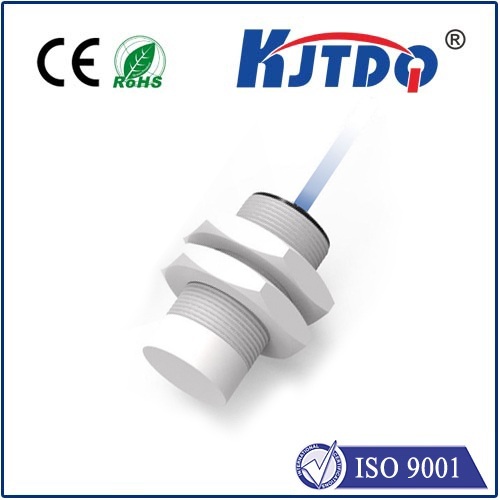
When a replacement is necessary, it is crucial to install the exact OEM (Original Equipment Manufacturer) specified part or a certified equivalent. Inducer pressure switches are calibrated for specific pressure ranges (e.g., -0.55 inches of water column, -1.05 iwc). Installing an incorrect switch can lead to persistent lockouts or, more dangerously, allow the furnace to operate under unsafe conditions. The KJTDQ series and similar reliable components are engineered to meet stringent durability and accuracy standards, ensuring long-term reliability.
In conclusion, the inducer pressure switch is far more than a simple component; it is an essential safety sensor integral to the safe and efficient operation of a modern furnace. Its silent, vigilant operation protects households from potential hazards. Recognizing its function and ensuring it is part of routine HVAC maintenance can prevent unexpected breakdowns, enhance system longevity, and most importantly, guarantee the continued safety and comfort of your home. Investing in quality parts and professional service for this critical safeguard is an investment in peace of mind.