In today's rapidly evolving industrial landscape, precision and safety are paramount. At the heart of many automated systems lies a seemingly simple yet indispensable component: the limit sensor. This device, often overlooked, plays a crucial role in ensuring machinery operates within safe and defined parameters, preventing damage and enhancing efficiency.
A limit sensor, fundamentally, is a type of switch that detects the presence or absence of an object, or monitors its position, and sends a signal to a control system. It acts as a sentinel, defining the physical boundaries of motion for mechanical components. When a machine part, such as a robotic arm or a conveyor belt carriage, reaches a predetermined point, the limit sensor is triggered. This trigger generates an electrical signal that commands the system to stop, reverse direction, or initiate a new sequence of operations. This function is vital for preventing over-travel, which could lead to mechanical collisions, equipment jams, or even catastrophic failures.
The applications of limit sensors are vast and varied. In manufacturing assembly lines, they ensure robotic welders or painters operate only within their designated work envelopes. In packaging machinery, they verify the correct positioning of products before sealing. Elevators rely on them to stop precisely at floor levels. Even in everyday consumer appliances like garage door openers, limit sensors prevent the door from traveling beyond its safe open or closed positions. Their reliability directly impacts productivity, product quality, and most importantly, workplace safety.
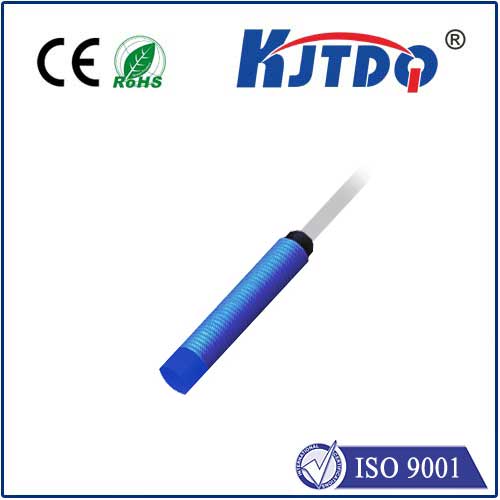
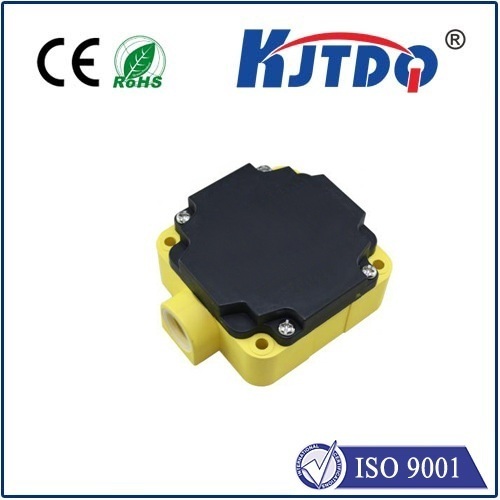
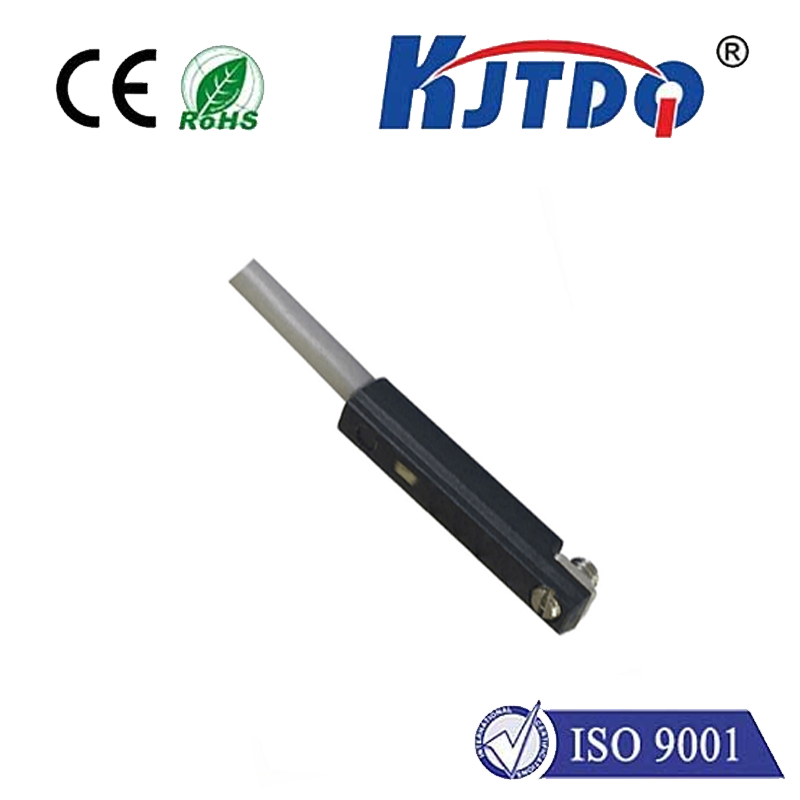
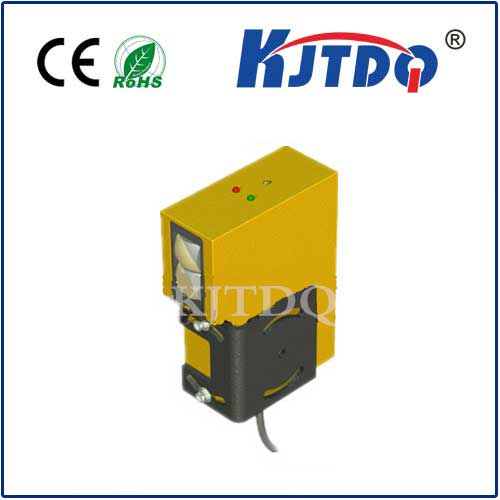
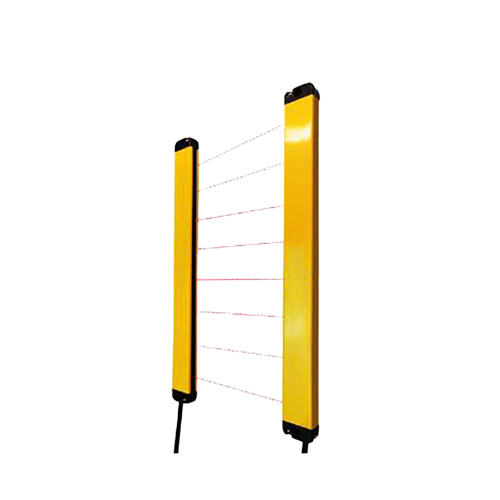
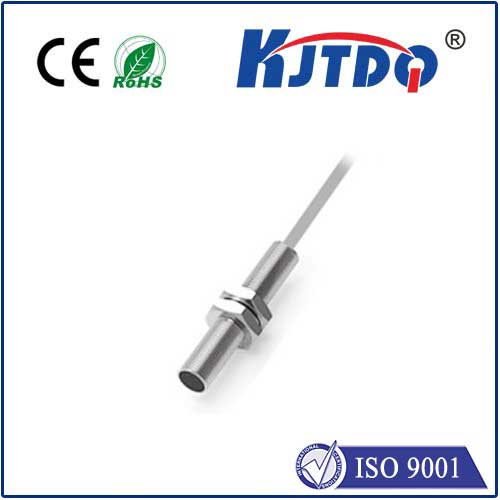
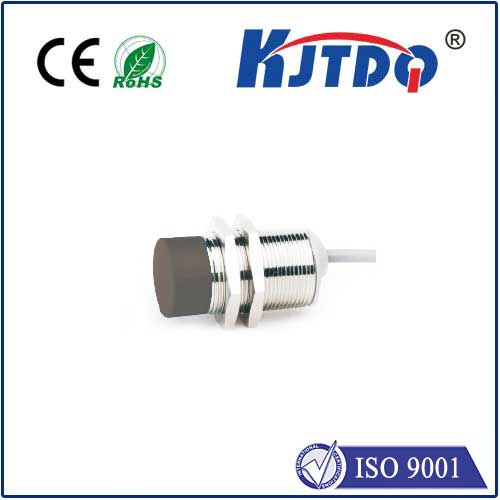
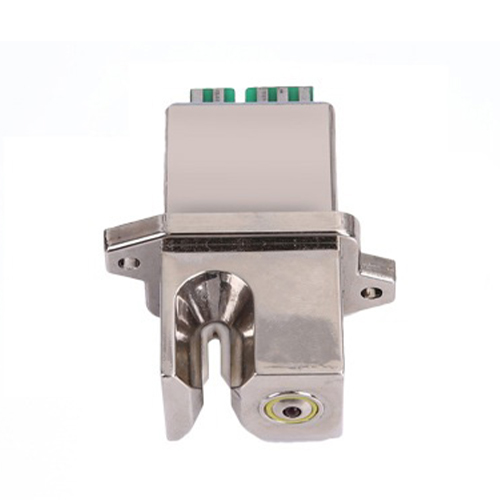
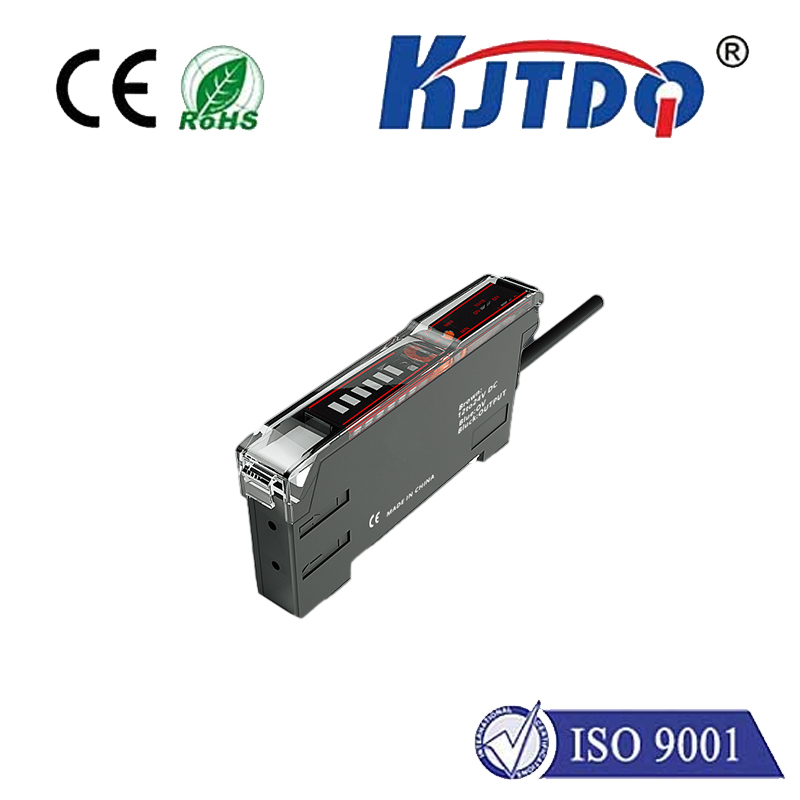
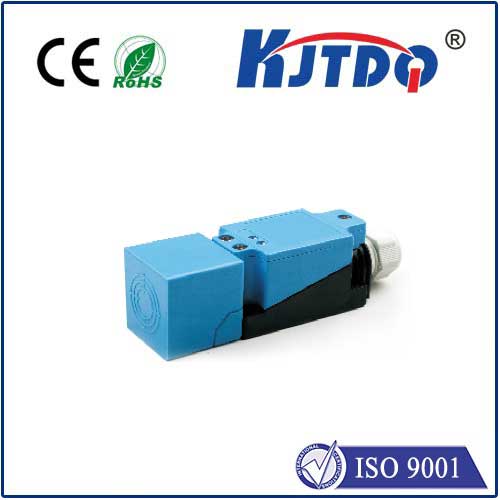
There are several primary types of limit sensors, each suited to different environmental conditions and detection needs. The most common is the mechanical limit switch, which features a physical actuator (like a lever or plunger) that is physically depressed by the moving part. These are known for their robustness and simplicity. For applications requiring non-contact detection, proximity sensors are used. These include inductive sensors (for detecting metals), capacitive sensors (for detecting both metals and non-metals), and photoelectric sensors (using light beams). Non-contact sensors offer advantages like higher switching speeds, longer service life due to lack of physical wear, and better performance in dirty or harsh environments.
Selecting the right limit sensor involves careful consideration of several factors. The operating environment is key—sensors may need to withstand extreme temperatures, moisture, vibration, or exposure to corrosive chemicals. The required sensing distance, response speed, and output signal type (e.g., digital ON/OFF or analog) must match the control system's requirements. Furthermore, electrical specifications such as voltage and current ratings are critical for compatibility and safe operation. Proper installation and alignment are equally important; a misaligned sensor can cause false triggers or failures to detect, leading to system malfunctions.
The integration of limit sensors with Programmable Logic Controllers (PLCs) and other industrial control systems represents the backbone of modern automation. They provide essential feedback for closed-loop control, allowing systems to operate autonomously with high precision. As Industry 4.0 and the Industrial Internet of Things (IIoT) advance, smart limit sensors with diagnostic capabilities are emerging. These devices can communicate not just a simple state change, but also data about their own health, such as operating temperature or potential contamination levels, enabling predictive maintenance and reducing unplanned downtime.
In conclusion, the limit sensor is a foundational element in automation, acting as a critical safety and control point. Its effective implementation safeguards equipment, optimizes processes, and protects personnel. For engineers and system integrators, a deep understanding of the types, selection criteria, and application best practices for limit sensors is essential for designing resilient and efficient automated systems. As technology progresses, these components will continue to evolve, offering greater intelligence and connectivity, further solidifying their role in the smart factories of the future.