Проверка
Проверка
Проверка
Проверка
Проверка
Проверка
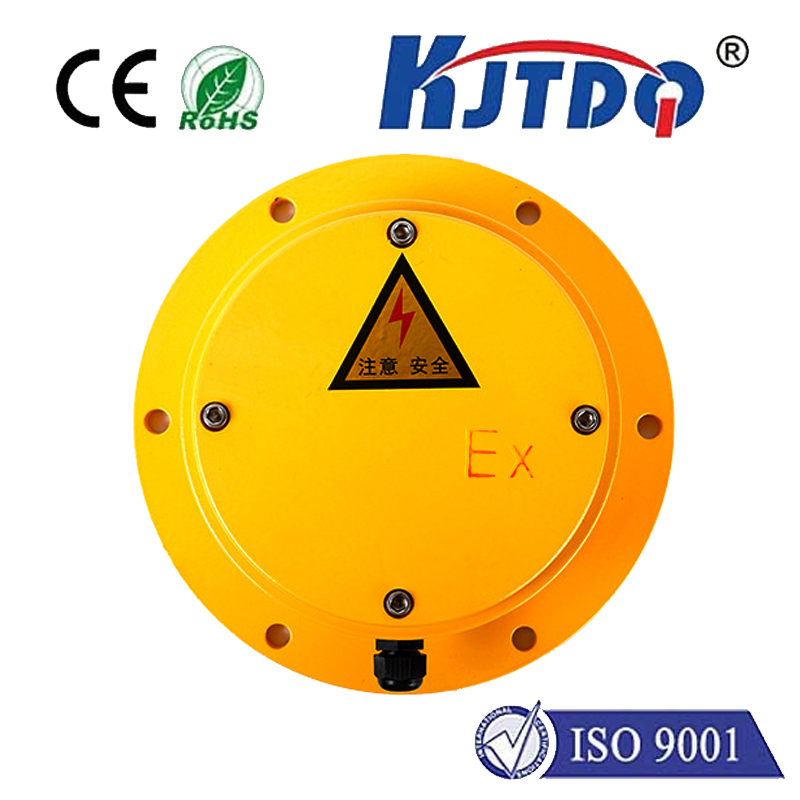
In industrial settings where flammable gases, vapors, or combustible dusts are present, safety is not just a priority—it is an absolute necessity. Equipment used in these hazardous areas must be designed to prevent ignition, and this is where the ex proof limit switch becomes a critical component. An ex proof limit switch, often referred to as an explosion-proof limit switch, is engineered to operate safely in environments with potentially explosive atmospheres. Unlike standard switches, these devices are housed in robust enclosures that can contain any internal spark or explosion, preventing it from igniting the surrounding hazardous mixture.
The fundamental principle behind an ex proof limit switch lies in its construction. The enclosure is typically made from durable materials like cast aluminum or stainless steel, capable of withstanding high pressures. Electrical connections are securely sealed to prevent the ingress of gases or dust. When the switch mechanism—such as a lever, roller, or plunger—is actuated by a machine part or object, it operates internally. Even if a fault causes a spark inside, the thick walls and flame-path joints of the enclosure cool any escaping gases below the ignition temperature, ensuring safety. This design adheres to stringent international standards, such as ATEX in Europe and IECEx globally, which certify equipment for use in specific hazardous zones.
Applications for ex proof limit switches are widespread across industries like oil and gas, chemical processing, mining, and grain handling. They are commonly used to control machinery, provide position feedback, or act as safety interlocks on tanks, conveyors, valves, and doors. For instance, on a conveyor system in a grain elevator, an ex proof limit switch can detect when a bin is full, automatically stopping the feed to prevent overflows that could create dust clouds—a known explosion risk. In chemical plants, these switches monitor the position of mixing vessel lids, ensuring they are securely closed before processes begin, thereby containing volatile substances.
Selecting the right ex proof limit switch requires careful consideration of the environment. Factors include the type of hazardous material (gas, dust, or fibers), its classification zone (e.g., Zone 1 for occasional hazard or Zone 2 for rare hazard), temperature ratings, and the required switching capacity. Manufacturers offer various designs, including ruggedized versions for heavy-duty use or compact models for tight spaces. Proper installation and maintenance are equally vital; switches must be correctly grounded, and enclosures should be regularly inspected for integrity to maintain their protective qualities.
Advancements in technology have led to smarter ex proof limit switches with enhanced features. Some now integrate with Industrial Internet of Things (IIoT) systems, providing real-time data on operational status and predictive maintenance alerts. This connectivity allows for better monitoring without compromising safety, helping plants avoid downtime and reduce risks. Despite these innovations, the core purpose remains unchanged: to deliver reliable performance where safety margins are non-negotiable.
In conclusion, the ex proof limit switch is an indispensable safety device in hazardous industrial environments. Its specialized design prevents ignition sources from triggering explosions, protecting both personnel and infrastructure. By understanding its operation, standards, and applications, engineers and operators can make informed choices to uphold safety protocols. As industries evolve, these switches will continue to play a pivotal role in enabling efficient and secure operations in challenging conditions.