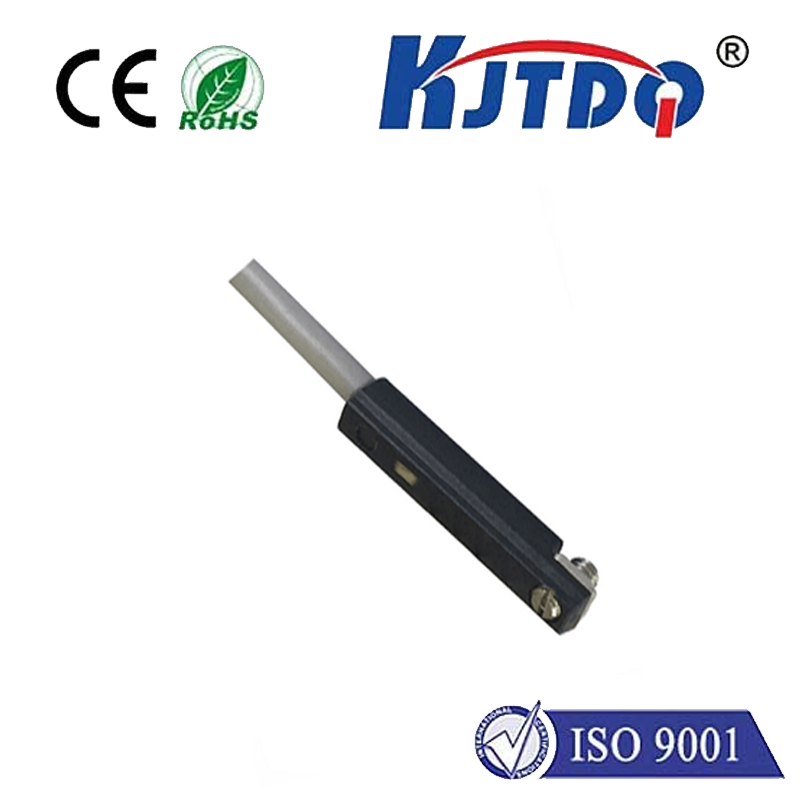
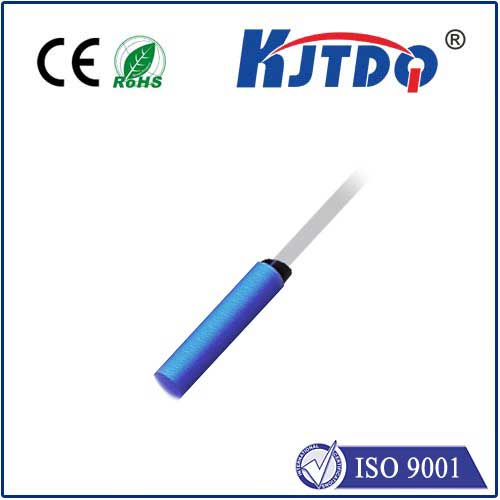
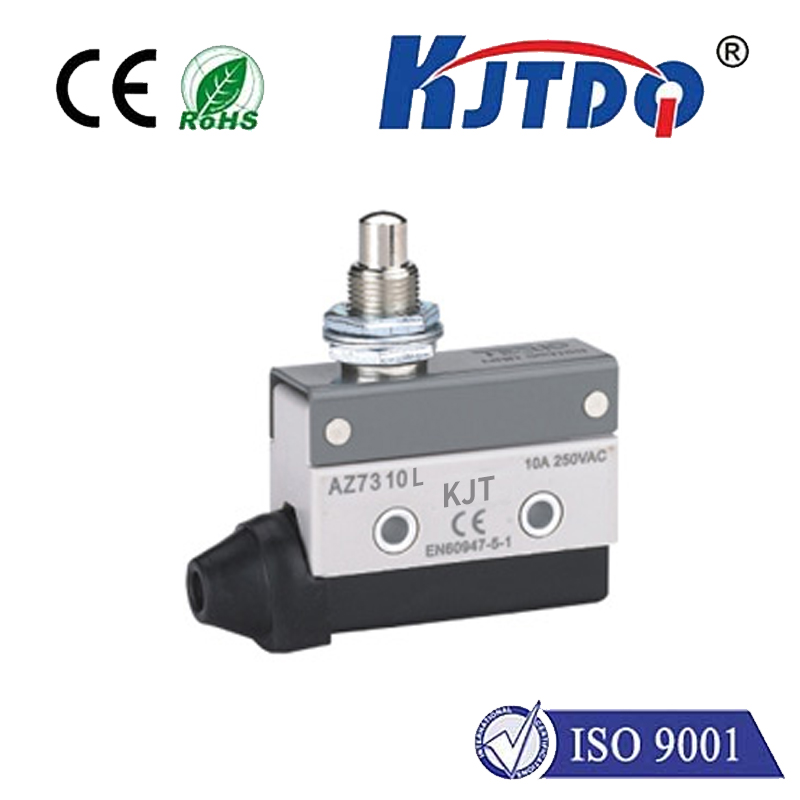
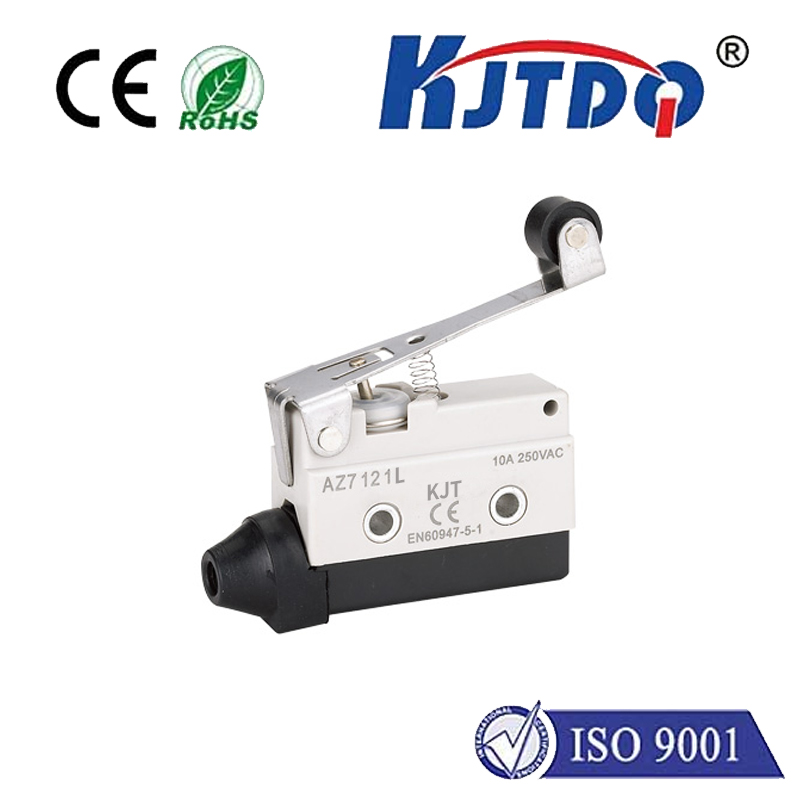
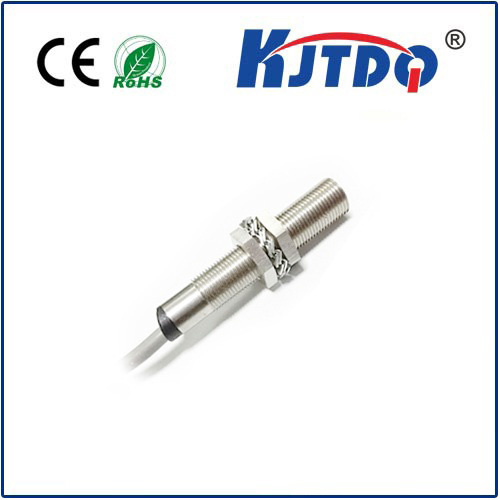
In today's fast-paced industrial environments, where automation and machinery are integral to productivity, the importance of safety cannot be overstated. Among the myriad of components that safeguard both personnel and equipment, the safety rated limit switch stands as a critical sentinel. This specialized device is engineered not merely as a standard limit switch but as a rigorously tested and certified component designed to meet stringent international safety standards, such as ISO 13849-1 and IEC 61508. Its primary function is to monitor the position or limit of motion of a machine part, providing a reliable signal to a safety control system to initiate a safe state—like stopping a machine—when a hazardous condition is detected.
The core distinction of a safety rated limit switch lies in its design philosophy. It incorporates features like positive-guided contacts, which prevent contact welding and ensure that even in a failure mode, the contacts do not remain closed, thereby guaranteeing a safe shutdown. Redundancy is another key aspect, often involving dual-channel outputs that are continuously monitored for discrepancies. This self-checking capability is vital for achieving high Safety Integrity Levels (SIL) or Performance Levels (PL), making these switches suitable for applications where failure could lead to serious injury or significant economic loss.
Consider a robotic welding cell in an automotive assembly line. The robotic arm moves with high speed and force. A safety rated limit switch installed at the perimeter of the cell acts as a guard interlock. If a maintenance technician accidentally opens the safety gate to enter the cell while the robot is active, the limit switch immediately detects this change in position. Its positive-action mechanism sends a stop signal through the safety relay to the robot's controller, halting all motion instantly and preventing a potential collision. This failsafe operation is non-negotiable for protecting human life.
Beyond personnel safety, these switches play a pivotal role in protecting expensive machinery from damage caused by over-travel or jamming. In material handling systems, such as automated storage and retrieval systems (AS/RS), safety rated limit switches are used to define the precise upper and lower limits for the lifting mechanism. By reliably signaling when these limits are reached, they prevent the hoist from crashing into the end stops, avoiding catastrophic mechanical failure, production downtime, and costly repairs. Their robust construction, often featuring metal housings with high IP ratings for resistance against dust, water, and oil, ensures longevity even in harsh industrial settings.
The integration of a safety rated limit switch into a broader safety system is a systematic process. It begins with a thorough risk assessment of the machine or process to identify hazards. Based on the required risk reduction, the appropriate safety performance level is determined. The switch is then selected to meet or exceed that level. Wiring is typically done in a dual-channel configuration to a safety relay or a safety programmable logic controller (PLC). This system constantly monitors the switch's state. Any fault, such as a wire break or a contact malfunction, is detected, and the system transitions to a safe state, often accompanied by a diagnostic indicator for quick troubleshooting.
For engineers and plant managers, specifying a safety rated limit switch is an investment in operational resilience. While the initial cost may be higher than a standard limit switch, the long-term benefits are substantial. It reduces the risk of accidents, which can lead to regulatory fines, legal liabilities, and damage to corporate reputation. More importantly, it fosters a culture of safety, boosting worker confidence and morale. Furthermore, by preventing unplanned machine stoppages and damage, it enhances overall equipment effectiveness (OEE) and ensures smoother, more predictable production flows.
In conclusion, the safety rated limit switch is far more than a simple mechanical component; it is a fundamental pillar of modern industrial safety architecture. Its certified design, reliable fail-safe operation, and robust durability make it indispensable for any application where human safety and machine protection are paramount. From packaging lines to press brakes, and from conveyor systems to CNC machines, deploying these certified safety devices is a proactive step towards creating a safer, more efficient, and more productive industrial workplace.