Проверка
Проверка
Проверка
Проверка
Проверка
Проверка
In the intricate world of modern electronics and industrial automation, the reliability of a system often hinges on the smallest components. Among these, the micro switch stands as a critical, albeit often overlooked, guardian of functionality and safety. The V 156 1C25 micro switch, a specific model within this category, exemplifies the engineering precision required for demanding applications. This article delves into the core features, operational principles, and diverse applications of this essential component, highlighting why it is a preferred choice for engineers and designers.
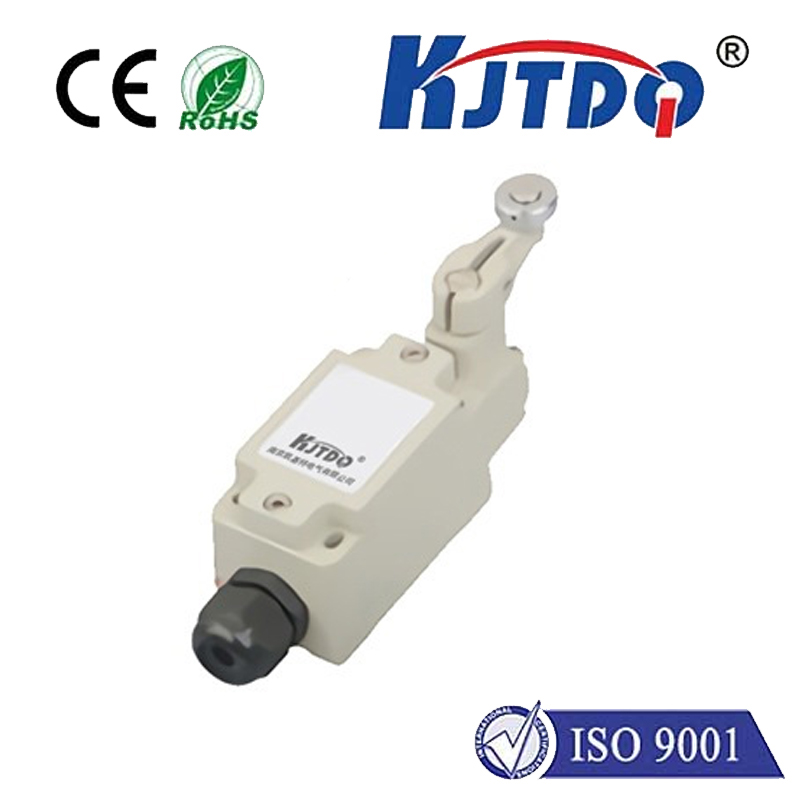
A micro switch, fundamentally, is a compact, snap-action switch designed to operate with minimal physical force. The "V 156 1C25" designation typically refers to a specific series or model with defined electrical ratings, physical dimensions, and actuator types. These switches are characterized by their quick make-and-break mechanism, which ensures a rapid and decisive transition between open and closed circuit states. This snap-action is crucial, as it minimizes arcing, enhances contact life, and provides a consistent, tactile feedback. The internal construction usually involves a spring-loaded lever that, when depressed past a certain point, instantly toggles the contacts.
The V 156 1C25 model is engineered for performance. Key specifications often include a high electrical rating, such as 15A at 250VAC, making it suitable for controlling significant loads directly. Its construction typically features a durable plastic or metal housing, providing resistance to dust, moisture, and mechanical impact, often corresponding to an IP67 rating for complete protection against temporary immersion. The actuator—the part that receives the physical force—can vary (lever, roller lever, simulated roller, etc.) allowing for customization based on the triggering mechanism in the application. The longevity of these switches is a major selling point, often rated for millions of operational cycles, thanks to the quality of the internal spring and silver-alloy contacts.
The applications for the V 156 1C25 micro switch are vast and cross-industry. In the realm of home appliances, it is the silent sentinel inside microwave ovens, ensuring the door is securely closed before operation begins. In printers and photocopiers, it detects paper jams or the presence of trays. Industrial control panels utilize these switches for door interlock safety systems, preventing machinery from operating when access panels are open. The automotive industry integrates them into vehicle doors for dome light control and into gear selectors for transmission safety. Furthermore, they are found in vending machines, medical equipment, and security devices, acting as position sensors or limit switches to confirm the movement of a part has reached its intended endpoint.
Selecting the right micro switch, such as the V 156 1C25, requires careful consideration of several parameters. The electrical load (current and voltage) is paramount. The physical force needed to activate the switch, known as the operating force, must match the application's mechanics. The actuator type must interface correctly with the moving part it is intended to sense. Environmental conditions like temperature extremes, exposure to chemicals, or constant vibration dictate the required housing material and sealing. Finally, the mounting style and terminal type (solder pins, quick-connect, screw terminals) must align with the assembly process.
Installation and maintenance, while straightforward, demand attention to detail. The switch should be mounted securely to avoid misalignment of the actuator. Over-travel—the distance the actuator can safely move after the switch has tripped—is a critical design parameter that must be respected to prevent damage. For the V 156 1C25, ensuring that the electrical connections are tight and corrosion-free will guarantee long-term reliability. While these switches are built for endurance, periodic checks in high-cycle applications are recommended to verify consistent operation.
In conclusion, the V 156 1C25 micro switch is more than just a simple on-off device. It is a meticulously engineered component that provides reliable, precise, and durable control in a multitude of electronic and mechanical systems. Its snap-action mechanism, robust construction, and adaptability make it an indispensable solution for safety interlocks, position sensing, and operational control. For designers and engineers seeking a proven and dependable switching solution, understanding and specifying the correct micro switch model is a fundamental step toward creating resilient and high-performing products. The V 156 1C25 stands as a testament to how a small component can play an oversized role in the functionality and safety of complex modern technology.