Проверка

Проверка
Проверка
Проверка
Проверка
Проверка
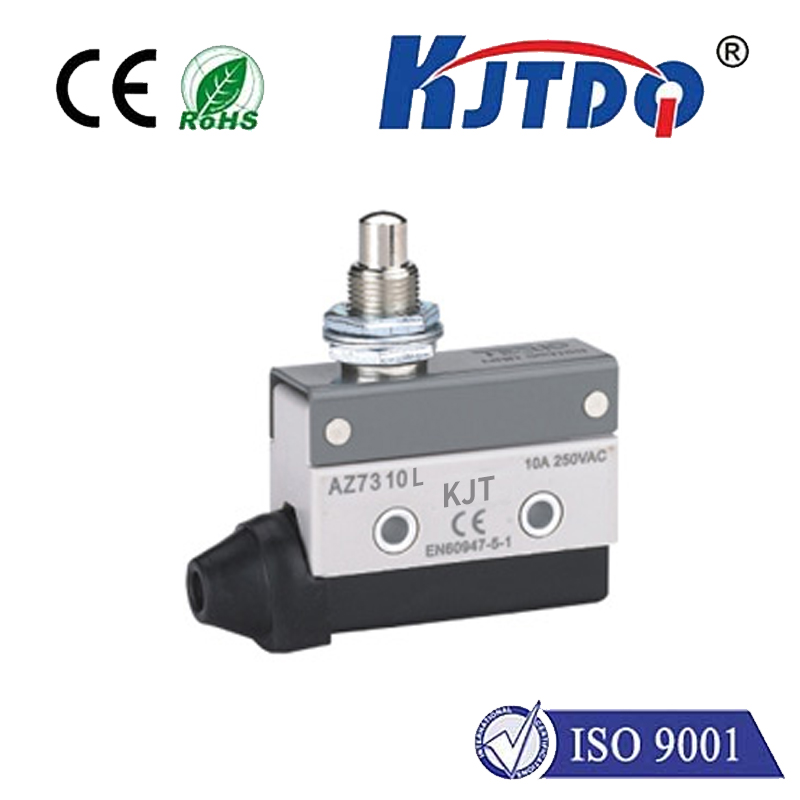
In the world of industrial automation and electronic control, precision is paramount. The mini micro limit switch stands as a critical component in achieving this precision, offering reliable performance in compact spaces. These switches are designed to detect the presence or absence of an object, or to monitor positional limits, triggering electrical circuits with exceptional accuracy. Their small size belies their robust functionality, making them indispensable in applications ranging from manufacturing machinery and robotics to consumer electronics and automotive systems.
The design of a mini micro limit switch typically involves a mechanical actuator—such as a lever, roller, or plunger—that moves in response to physical contact. This movement internally opens or closes electrical contacts, sending a signal to a control system. The "micro" designation often refers to the switch's compact dimensions and minimal movement required for activation, which enhances sensitivity and reduces wear over time. For instance, in a conveyor belt system, a mini micro limit switch can be positioned to stop the belt when a product reaches a specific point, preventing jams and ensuring smooth operation. Similarly, in 3D printers, these switches define the home position of the print head, ensuring each layer aligns perfectly.
One of the key advantages of mini micro limit switches is their durability. Constructed from materials like stainless steel, thermoplastics, and high-grade contacts, they withstand harsh environments, including exposure to dust, moisture, and temperature fluctuations. This resilience translates to reduced maintenance costs and fewer system downtimes, boosting overall productivity. Moreover, their simple mechanical operation means they are less prone to the interference issues that can plague optical or magnetic sensors, providing a fail-safe option in critical setups.
When selecting a mini micro limit switch, engineers consider factors such as actuator type, electrical rating, operating force, and lifecycle expectancy. For example, a roller lever actuator might be chosen for applications involving moving parts with varying angles, while a plunger type suits direct linear motion. The electrical rating must match the circuit's voltage and current requirements to prevent overheating or failure. Additionally, certifications like IP67 for ingress protection ensure reliability in demanding conditions, from factory floors to outdoor installations.
Innovations in mini micro limit switch technology continue to evolve, with trends focusing on miniaturization, enhanced sealing for extreme environments, and integration with smart systems for real-time monitoring. As industries embrace automation and IoT connectivity, these switches play a pivotal role in enabling precise, data-driven control. Whether in a high-speed packaging line or a delicate medical device, the mini micro limit switch proves that great things come in small packages—delivering consistent performance that keeps modern machinery running smoothly and safely.
In summary, the mini micro limit switch is a cornerstone of automated control systems, offering unmatched precision and reliability. Its versatility across sectors underscores its importance, making it a go-to solution for engineers seeking efficient, cost-effective sensing. By understanding its features and applications, businesses can optimize their operations, minimize errors, and enhance safety, ultimately driving innovation in an increasingly automated world.