Проверка
Проверка
Проверка
Проверка
Проверка
Проверка
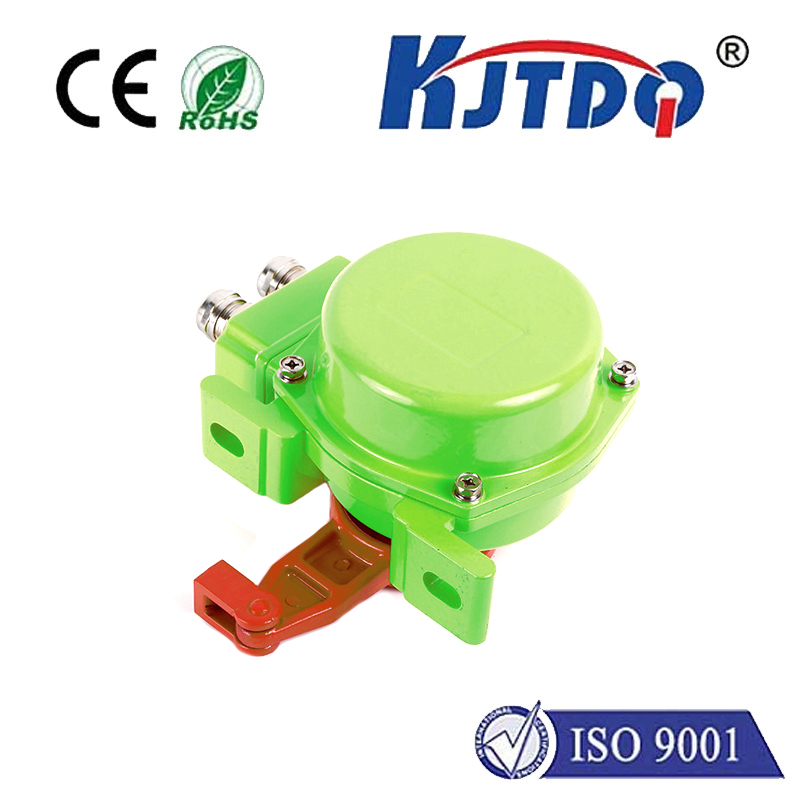
In the demanding world of industrial automation, component reliability is non-negotiable. Machinery operates in environments rife with vibration, moisture, chemical exposure, and temperature extremes. Traditional metal-housed limit switches, while robust, often succumb to corrosion, electrical failure from ingress, or mechanical wear. This is where the innovative design of the thermoplastic limit switch, exemplified by the KJTDQ series, marks a significant evolution. By utilizing high-performance engineering plastics, these switches offer a compelling alternative that addresses the core pain points of modern manufacturing.
The primary advantage of a thermoplastic limit switch like the KJTDQ lies in its exceptional corrosion resistance. Unlike metal enclosures that can rust or degrade when exposed to oils, coolants, saline atmospheres, or chemical washdowns common in food processing, pharmaceutical, and marine applications, thermoplastic housings remain inert. This inherent property drastically extends the operational lifespan of the switch, reducing downtime and frequency of replacement. The KJTDQ series is often constructed from materials such as polyamide (PA) or polycarbonate (PC), which provide not only chemical stability but also impressive mechanical strength.
Another critical feature is superior sealing. Industrial environments are plagued by dust, dirt, and moisture, which can penetrate switch housings and lead to internal short circuits or contact failure. Thermoplastic limit switches are designed with meticulous attention to sealing integrity. Many models, including the KJTDQ, achieve high Ingress Protection (IP) ratings, such as IP67 or even IP69K for high-pressure, high-temperature washdowns. This ensures reliable signal transmission and actuator detection even in the harshest conditions, from dusty milling operations to humid bottling plants.
Electrical insulation and safety are further enhanced by the thermoplastic body. The non-conductive nature of the housing provides an additional layer of protection against electrical faults, reducing risks in electrically noisy environments. Furthermore, thermoplastics are typically lighter than their metal counterparts. This reduces the load on moving parts and mounting brackets, simplifying installation and maintenance. The KJTDQ series often incorporates a modular design, allowing for easy customization of actuator heads, contact blocks (snap-on), and wiring entries to fit specific application needs without requiring a completely different switch body.
From a performance perspective, the internal switching mechanism within a thermoplastic limit switch is engineered for precision and longevity. Whether utilizing slow-action, snap-action, or solid-state electronics, the focus is on providing a clear, reliable signal upon actuator engagement. The thermoplastic housing also dampens vibration more effectively than metal, protecting the internal components and ensuring consistent operation in high-vibration settings like conveyor systems or stamping presses.
The application scope for thermoplastic limit switches like KJTDQ is vast. They are indispensable in packaging machinery, where hygiene and frequent washdowns are paramount. In material handling and automotive assembly lines, their durability against impacts and contaminants keeps processes running smoothly. They also find critical use in outdoor applications, such as gate control or agricultural equipment, where resistance to UV radiation and weathering is essential.
In conclusion, the thermoplastic limit switch represents a smart engineering response to the challenges of industrial durability and reliability. The KJTDQ series, with its robust thermoplastic construction, high sealing standards, and adaptable design, offers a resilient solution that minimizes maintenance costs and maximizes uptime. For engineers and plant managers seeking to future-proof their automation systems against environmental and operational stresses, switching to a high-quality thermoplastic limit switch is a strategic decision that pays dividends in long-term performance and operational efficiency.