In the realm of electrical systems and industrial controls, ensuring safety and preventing equipment damage are paramount concerns. Among the various components that safeguard these systems, the 240V limit switch plays a crucial, often understated role. This device is not merely a simple switch; it is a precision-engineered guardian designed to monitor and control the operational boundaries of machinery and electrical circuits operating at 240 volts, a common voltage for heavy-duty appliances, industrial equipment, and certain HVAC systems.
A 240V limit switch is fundamentally an electromechanical device. Its primary function is to automatically stop or alter the operation of a machine once a predetermined physical limit is reached. This "limit" is typically a position, temperature, pressure, or current level. For instance, on a large industrial garage door, a limit switch will cut power to the motor once the door reaches the fully open or closed position, preventing the motor from straining and the door from over-traveling and causing damage. In an electric oven or heater, a thermal limit switch acts as a safety cut-off to prevent overheating, thereby mitigating fire risks.
The "240V" designation specifies the voltage rating for which the switch is designed and tested. Using a switch rated below the system's operational voltage, such as employing a 120V switch in a 240V circuit, is extremely hazardous and can lead to switch failure, arcing, or even electrical fires. Conversely, a properly rated 240V limit switch is built with insulation, contact materials, and internal spacing capable of safely interrupting the higher voltage and associated current. This makes it suitable for a wide range of applications, from controlling three-phase motors in manufacturing plants to managing the compressor cycles in commercial refrigeration units.
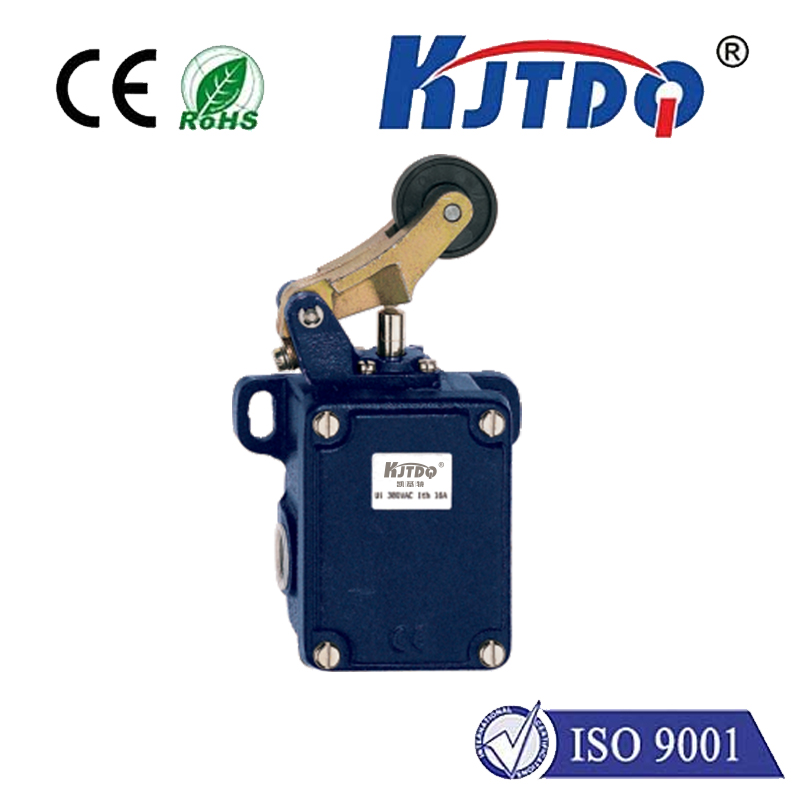
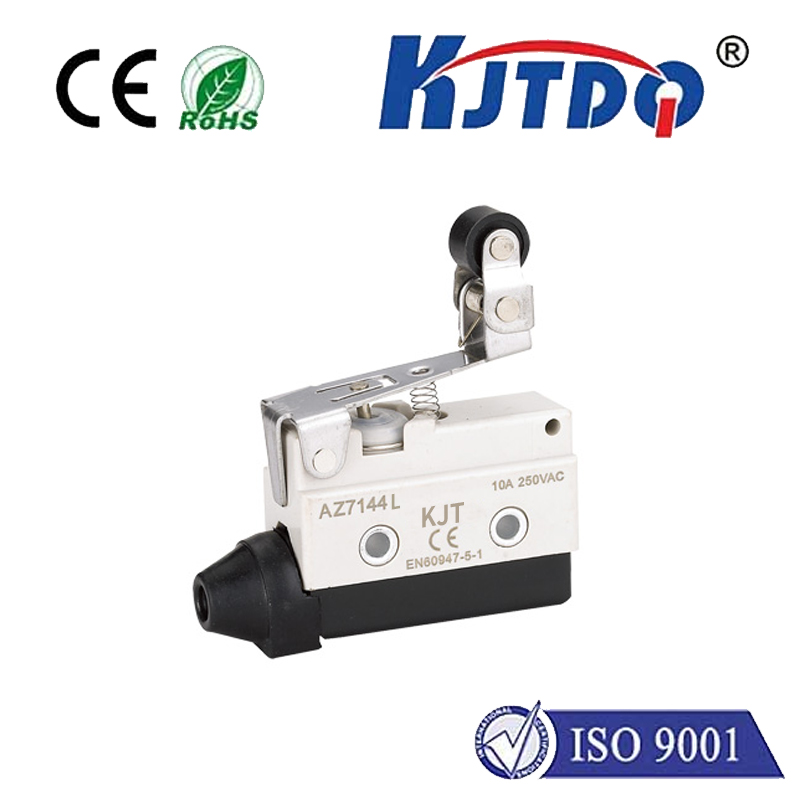
The operational principle is elegantly straightforward. The switch contains a set of electrical contacts connected to the control circuit of the machine. These contacts are mechanically linked to an actuator—a lever, roller, plunger, or rod. When a moving part of the machine makes contact with this actuator, it triggers the internal mechanism to either open (break) or close (make) the electrical circuit. In a normally open (NO) configuration, the circuit is completed when activated; in a normally closed (NC) configuration, the circuit is broken. This signal is then sent to the machine's controller or directly to the motor starter, initiating the desired action, which is most commonly an immediate shutdown.
The benefits of integrating a reliable 240V limit switch into an electrical system are multifaceted. First and foremost is enhanced safety. By preventing machines from operating beyond their intended physical or thermal limits, these switches protect both personnel from potential injury and the equipment from catastrophic failure. Secondly, they contribute significantly to operational longevity. Preventing mechanical over-travel, jamming, or thermal stress reduces wear and tear on motors, gears, and other moving parts, leading to less downtime and lower maintenance costs. Finally, they provide essential process control, ensuring repetitive operations like packaging, lifting, or positioning are performed with consistent accuracy.
Selecting the right 240V limit switch requires careful consideration of several factors beyond just voltage. The electrical load (current rating in amperes), the type of actuator needed for the specific mechanical motion, the environmental conditions (requiring sealed models for dust or moisture), and the required switching logic (NO or NC) are all critical specifications. Regular inspection and maintenance are also vital. Technicians should periodically check for physical damage to the actuator, signs of electrical pitting on the contacts, and ensure the switch is securely mounted and properly aligned with the machine part it is intended to monitor.
In conclusion, the 240V limit switch is a fundamental component in the architecture of safe and efficient electrical and mechanical systems. Its role in enforcing operational boundaries is indispensable across residential, commercial, and industrial landscapes. Understanding its function, specifications, and importance is key for engineers, technicians, and facility managers tasked with designing, maintaining, and operating equipment that relies on robust and fail-safe control mechanisms. By ensuring the correct selection and upkeep of these devices, we uphold the highest standards of system integrity and workplace safety.