Проверка
Проверка
Проверка
Проверка
Проверка
Проверка
In today's rapidly evolving industrial and residential landscapes, the demand for reliable, safe, and efficient control systems is paramount. Among the critical components ensuring operational integrity is the low voltage limit switch. This device, often operating at 24V AC/DC or similar low-voltage standards, serves as a fundamental safety and control mechanism across countless applications. Unlike traditional high-voltage switches, low voltage variants significantly reduce the risks associated with electrical shock, fire hazards, and equipment damage, making them a preferred choice in sensitive environments.
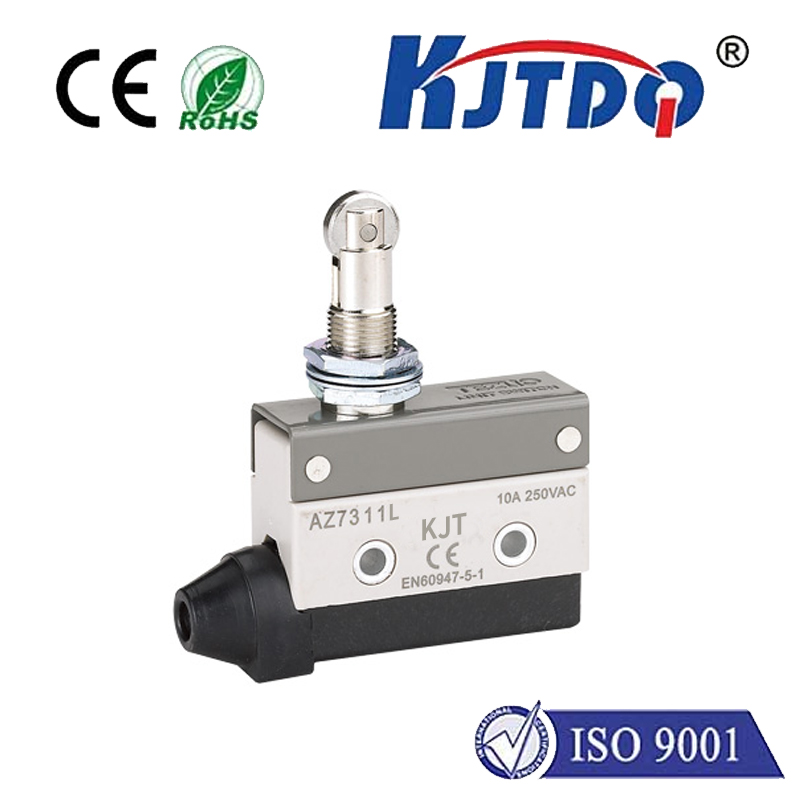
The core function of a low voltage limit switch is to detect the presence or absence, position, or end-of-travel of an object. It acts as a sentinel, sending a signal to a control system when a machine part or product reaches a predetermined point. This simple action is the cornerstone of automated sequencing, safety interlocks, and counting operations. For instance, in automated conveyor systems, these switches ensure items are properly positioned for processing or prevent overtravel that could cause mechanical failure. In elevator control, they provide precise floor-level positioning, ensuring passenger safety and smooth operation.
The integration of low voltage technology brings forth notable advantages. Primarily, it enhances personnel safety. By utilizing circuits below 50 volts, the potential for severe electrical injury is drastically minimized, which is crucial in settings like packaging plants, assembly lines, or even smart home installations where maintenance might be performed by non-specialists. Furthermore, low voltage systems typically generate less electromagnetic interference (EMI), leading to more stable communication with programmable logic controllers (PLCs) and other sensitive electronic control units. This reliability translates to reduced downtime and maintenance costs.
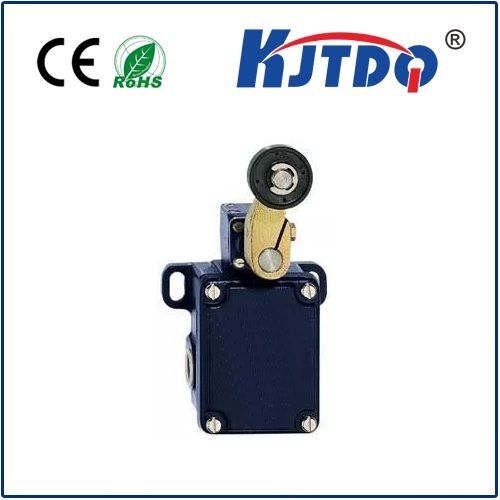
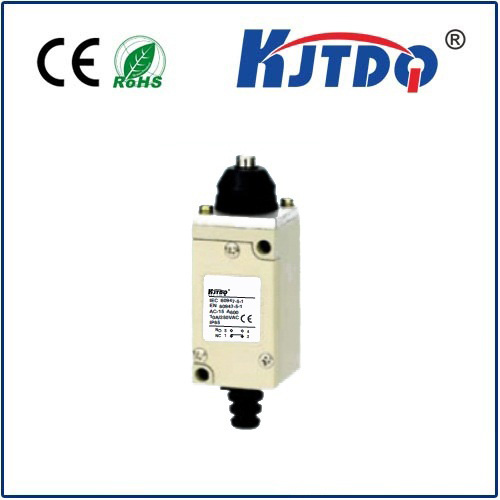
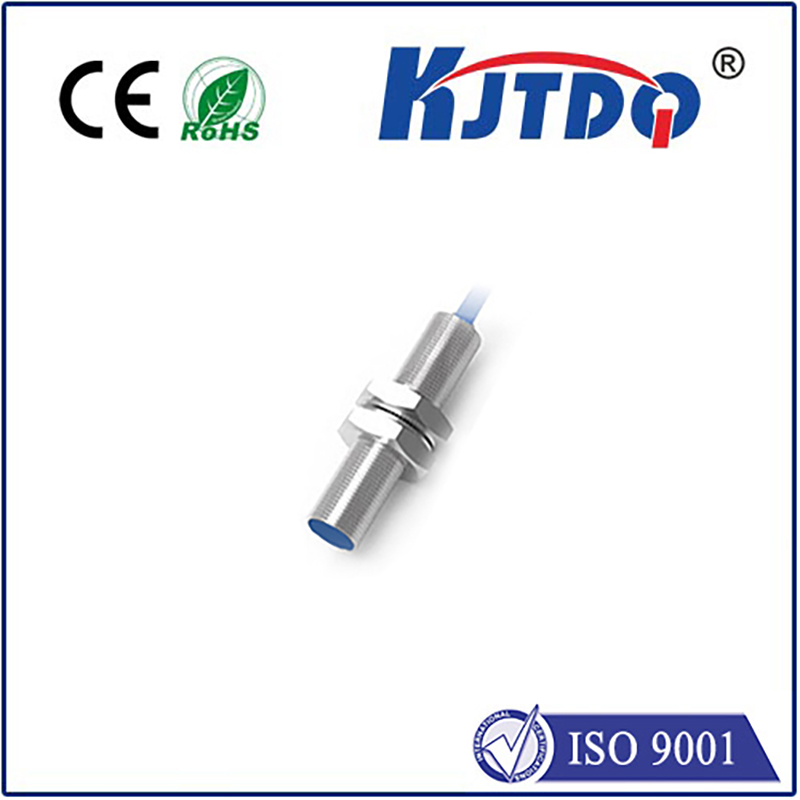
Durability and adaptability are key characteristics of modern low voltage limit switches. Manufacturers design them to withstand harsh conditions, including exposure to dust, moisture, extreme temperatures, and corrosive substances. Enclosures are often rated with IP (Ingress Protection) codes to guarantee performance in specific environments. The actuation methods are equally diverse, ranging from lever arms and roller plungers to magnetic reed and proximity-style actuators. This versatility allows engineers to select the perfect switch for the mechanical motion it needs to detect, whether it's linear, rotary, or multi-directional.
The rise of the Industrial Internet of Things (IIoT) and smart building management has further elevated the role of these components. Modern low voltage limit switches can be equipped with diagnostic capabilities, providing real-time data on their operational status and cycle counts. This predictive maintenance feature allows teams to address potential issues before they lead to system failure, optimizing overall equipment effectiveness (OEE). In building automation, they are integral to managing HVAC systems, lighting control, and access points, contributing directly to energy conservation efforts.
Selecting the right low voltage limit switch requires careful consideration of several factors. The electrical specifications, such as voltage rating, current capacity, and switching type (normally open or normally closed), must match the control circuit. Mechanical specifications, including actuator type, operating force, and repeat accuracy, are determined by the physical application. Environmental factors like temperature range and ingress protection rating are non-negotiable for ensuring longevity. Consulting with technical specialists or referring to detailed datasheets is always recommended to ensure optimal performance and safety compliance.
In conclusion, the low voltage limit switch is far more than a simple mechanical component. It is a vital element that bridges mechanical movement with electronic control, ensuring safety, enabling precision, and driving efficiency. From safeguarding heavy machinery to enabling the subtle automation of modern homes, its role is indispensable. As technology continues to advance towards smarter and safer automation, the evolution of these switches will undoubtedly continue, offering even greater intelligence, connectivity, and reliability for the systems that depend on them.