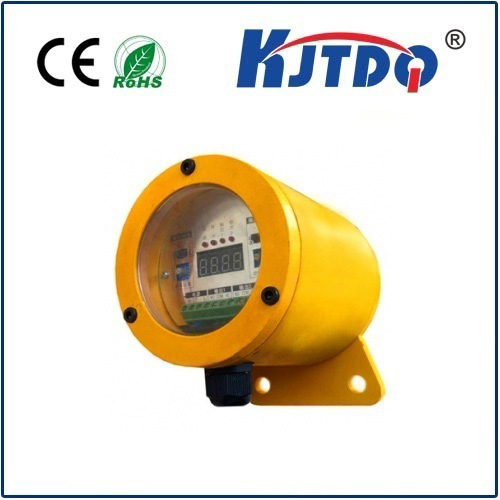
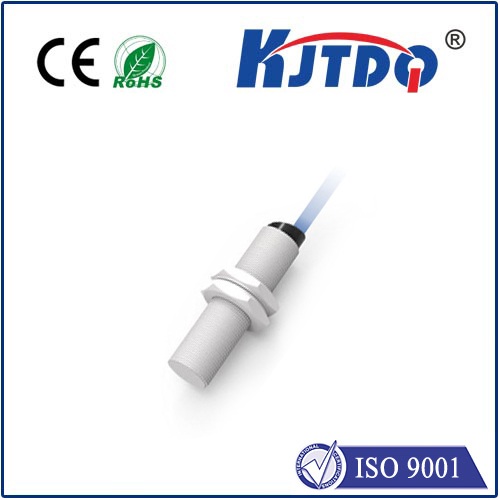
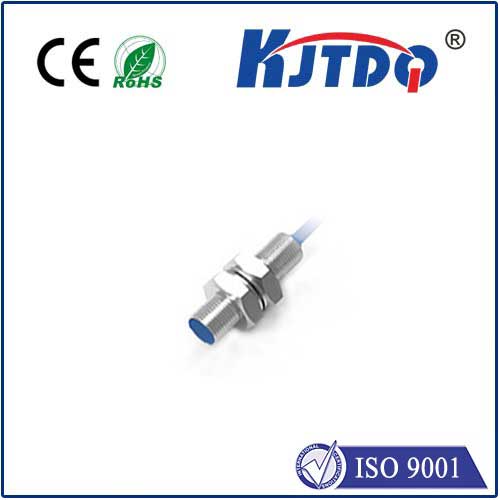
In the complex landscape of industrial automation and control systems, the reliability of safety components is non-negotiable. Among these critical components, the high limit switch stands as a fundamental guardian, designed to prevent equipment from operating beyond safe parameters. This device, often symbolized by models like the KJTDQ series, is engineered to interrupt a circuit or initiate a safety protocol when a predetermined temperature, pressure, position, or level is exceeded. Its role is not merely functional; it is a cornerstone of operational integrity, protecting both valuable machinery and personnel.
The principle behind a high limit switch is elegantly straightforward yet vitally important. Typically, it consists of a sensor mechanism—such as a bimetallic strip, thermocouple, or pressure diaphragm—connected to a snap-action switch. Under normal operating conditions, the switch remains closed, allowing the system to function. However, when the monitored variable reaches a critical upper threshold, the sensor triggers the switch to open the circuit. This immediate action halts the process or activates alarms, preventing potential damage from overheating, over-pressurization, or mechanical overtravel. For instance, in an industrial furnace, a high limit switch like the KJTDQ model would cut power if internal temperatures soar beyond the material's tolerance, averting catastrophic failure.
The application spectrum for high limit switches is remarkably broad, underscoring their versatility. In HVAC systems, they are indispensable for preventing boilers and heaters from reaching dangerous temperatures. Within manufacturing, they safeguard presses, injection molding machines, and conveyor systems from positional errors that could cause jams or collisions. The food processing industry relies on them to maintain precise thermal profiles in ovens and dryers, ensuring product quality and safety. In every case, the switch acts as an independent, fail-safe backup, often working in tandem with primary control systems but operating autonomously to provide a final layer of protection.
Selecting the appropriate high limit switch requires careful consideration of several technical factors. The set point, or the specific threshold at which the switch must activate, must be precisely calibrated for the application. The differential, which is the difference between the set point and the reset point (where the switch closes again), needs to be suitable to prevent rapid, unnecessary cycling. Environmental conditions are also crucial; switches must be housed in enclosures with correct ingress protection (IP) ratings to withstand dust, moisture, and corrosive atmospheres. Furthermore, the electrical ratings—including voltage, current, and whether the application requires a normally open or normally closed configuration—must match the system's demands. The KJTDQ series, for example, is often recognized for its robust construction, precise calibration, and adaptability to harsh industrial environments.
Beyond basic functionality, modern high limit switches incorporate features that enhance reliability and usability. Many models offer manual reset capabilities, requiring an operator to physically reset the switch after a trip. This feature prevents automatic restarting and ensures that the cause of the fault is investigated before operations resume, a critical safety practice. Some advanced switches also include visual indicators, such as flags or LED lights, to clearly signal a tripped status, aiding in quick diagnostics and maintenance. The integration of such features into designs like the KJTDQ exemplifies the evolution from a simple cut-off device to an intelligent safety component.
Installation and regular maintenance are paramount to ensuring a high limit switch performs its life-saving role effectively. Proper installation involves mounting the switch at the correct location to accurately sense the controlled variable—for temperature, this is often directly in the flow path or attached to the surface of interest. Wiring must comply with all relevant electrical codes and standards to ensure signal integrity. Most importantly, a routine testing and calibration schedule is essential. Over time, sensors can drift or become contaminated. Periodically verifying the switch's trip point against a certified reference instrument ensures it will activate at the correct moment during a real emergency. Neglecting this can render the safety device ineffective, creating a false sense of security.
The consequences of a high limit switch failure can be severe, ranging from costly equipment downtime and product loss to serious safety incidents like fires or explosions. Therefore, viewing this component as a disposable or low-priority item is a significant risk. Investing in high-quality switches from reputable manufacturers, following rigorous installation protocols, and adhering to a disciplined maintenance regimen are not operational expenses but investments in continuity and safety. The reliability embedded in a well-specified switch, such as those in the KJTDQ line, provides peace of mind and forms the backbone of a responsible operational philosophy.
In conclusion, the high limit switch is an unsung hero in industrial settings. Its silent vigilance allows complex systems to operate with confidence, knowing that a definitive safety boundary is firmly in place. From protecting thermal processes to ensuring mechanical limits are respected, its value is immeasurable. As technology advances, these devices will continue to integrate more sophisticated diagnostics and communication capabilities. However, their core mission remains unchanged: to provide a simple, reliable, and absolute stop when systems approach their operational limits, thereby upholding the highest standards of safety and efficiency in demanding industrial environments.