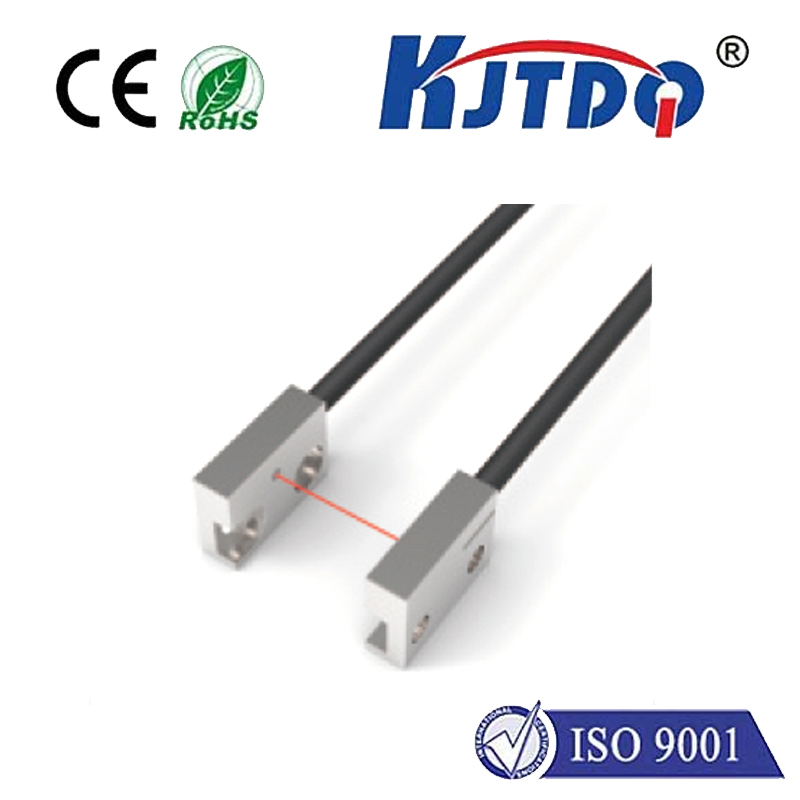
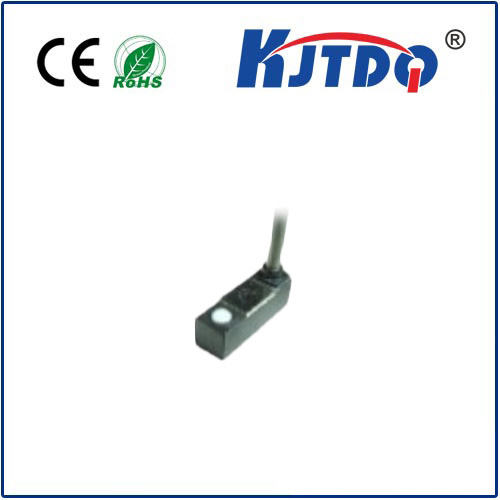
In the rapidly evolving landscape of industrial automation and smart technology, the demand for reliable, non-contact measurement and detection solutions has never been higher. Among the array of sophisticated components driving this revolution, the laser proximity sensor stands out as a critical tool for achieving unparalleled precision, efficiency, and safety. Unlike traditional mechanical switches or ultrasonic sensors, laser proximity sensors utilize a focused beam of light to detect the presence, absence, or position of an object with exceptional accuracy and speed.
The core principle behind a laser proximity sensor involves emitting a laser beam towards a target. The sensor then analyzes the reflected light. Advanced models often use time-of-flight or triangulation methods to calculate the exact distance to the object. This method allows for detection with micron-level precision over considerable ranges, making it indispensable in applications where minute variations matter. The non-contact nature of this technology eliminates wear and tear, significantly reducing maintenance needs and downtime compared to physical contact sensors.
The applications for laser proximity sensors are vast and transformative. In manufacturing and assembly lines, they are deployed for precise positioning of robotic arms, ensuring components are placed correctly every time. They perform critical tasks in quality control, measuring dimensions, checking for surface defects, or verifying the presence of tiny parts on a circuit board. The logistics and packaging industry relies on them for accurate box sizing, palletizing, and guiding automated guided vehicles (AGVs) through complex warehouse layouts. Furthermore, in the realm of safety, these sensors create invisible protective fields around hazardous machinery, instantly halting operation if a person or object breaches the zone, thereby preventing accidents.
Several key advantages define the superiority of laser proximity sensors. Their high resolution and repeatability ensure consistent performance, which is vital for maintaining product quality. The fast response time enables high-speed production processes without sacrificing accuracy. Many modern sensors are equipped with intelligent features like background suppression, which allows them to ignore irrelevant objects or surfaces behind the target, and robust housing designs that make them resistant to dust, moisture, and vibration in harsh industrial environments. This resilience translates to greater system reliability and lower total cost of ownership.
When integrating a laser proximity sensor into a system, considerations such as the required sensing range, the reflectivity and color of the target material, environmental conditions (ambient light, contaminants), and the necessary output signal type (analog, digital, IO-Link) are paramount. Proper selection and installation are crucial to harness the full potential of the technology. For instance, a highly reflective surface might require sensor adjustment to prevent signal saturation, while a dark, absorbent material might need a sensor with higher output power.
Looking ahead, the integration of laser proximity sensors with the Industrial Internet of Things (IIoT) is paving the way for smarter factories. Sensors with built-in connectivity can provide real-time data on machine performance, predictive maintenance alerts, and process optimization insights, contributing to the overarching goals of Industry 4.0. As technology advances, we can expect these sensors to become even smaller, more energy-efficient, and more intelligent, further expanding their role in automation, robotics, and beyond.
In conclusion, the laser proximity sensor is far more than just a simple detection device; it is a cornerstone of modern precision engineering. By offering a blend of accuracy, speed, and robustness, it empowers industries to optimize processes, enhance product quality, and safeguard both equipment and personnel. For any operation seeking to improve automation, investing in the right laser proximity sensing technology is a strategic step towards a more efficient and competitive future.