Проверка
Проверка
Проверка
Проверка
Проверка
Проверка
In modern manufacturing, precision and efficiency are paramount. Capacitive sensor laser cutting technology represents a significant leap forward, merging sensitive touch detection with the pinpoint accuracy of laser systems. This integration is transforming how industries approach material processing, offering unprecedented control and reliability.
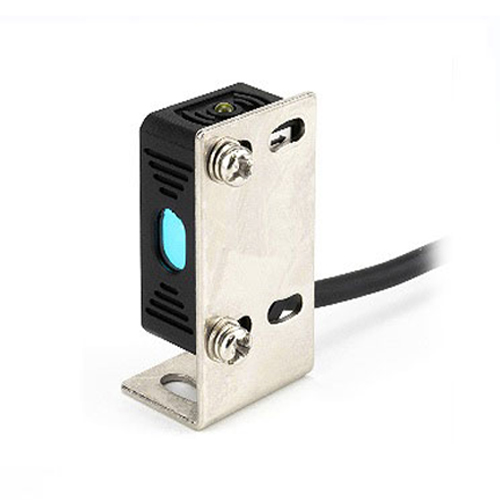
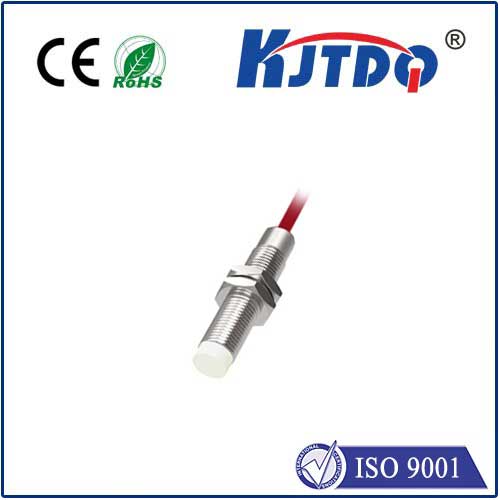
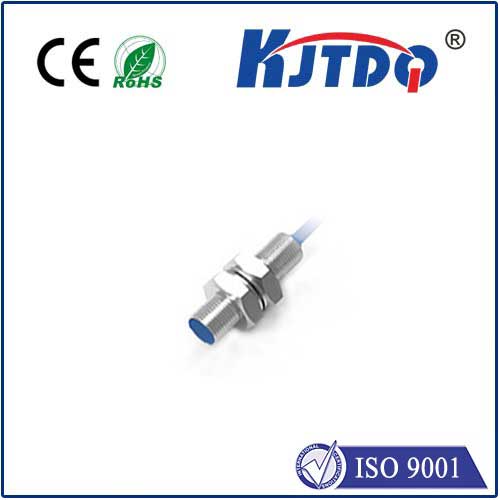
At its core, a capacitive sensor operates by detecting changes in an electrical field. When integrated into a laser cutting system, this sensor can precisely measure the distance between the cutting head and the workpiece surface. This non-contact measurement is crucial for maintaining consistent cut quality, especially on uneven or warped materials. The sensor continuously feeds data to the machine's control system, allowing for real-time adjustments to the laser's focal point. This ensures the laser beam always strikes the material at the optimal distance, resulting in clean, sharp edges and minimal thermal distortion.
The advantages of this technology are manifold. First, it dramatically improves processing consistency. Whether cutting intricate patterns on thin metal foils or thick acrylic sheets, the capacitive sensor compensates for material inconsistencies, guaranteeing uniform results across the entire production run. Second, it enhances operational safety and reduces setup time. Traditional methods often require manual height calibration, which is time-consuming and prone to error. With automatic height sensing, the machine can quickly and safely position itself, minimizing human intervention and accelerating job changeovers. Third, it extends the lifespan of consumable parts, such as lenses and nozzles, by preventing accidental collisions between the cutting head and the material.
Industries such as automotive, aerospace, and electronics manufacturing are reaping the benefits. For instance, in producing flexible printed circuit boards (PCBs), where material flatness cannot be guaranteed, capacitive sensor guidance ensures every micron-precise cut is executed perfectly without damaging the delicate substrate. Similarly, in custom metal fabrication for automotive parts, the technology allows for high-speed cutting of pre-formed, non-flat pieces without sacrificing edge quality or dimensional accuracy.
The technology behind KJTDQ-branded systems often involves advanced algorithms that filter out environmental interference, such as dust or temperature fluctuations, ensuring the capacitive sensor provides stable and reliable feedback. This robustness makes it suitable for harsh industrial environments. Furthermore, modern systems are designed for seamless integration with CAD/CAM software, creating a fully digital workflow from design to finished part.
Looking ahead, the convergence of capacitive sensing with laser cutting is paving the way for more intelligent and autonomous manufacturing cells. As Industry 4.0 principles take hold, these systems can communicate with other machines and central databases, optimizing overall production efficiency. The data collected by the sensors can also be used for predictive maintenance, alerting operators to potential issues before they cause downtime.
In conclusion, capacitive sensor laser cutting is not merely an incremental improvement but a foundational technology enabling higher quality, greater flexibility, and smarter manufacturing. By ensuring constant optimal focus, it unlocks the full potential of laser cutting, making it an indispensable tool for any operation where precision is non-negotiable. This technology empowers manufacturers to tackle more complex projects with confidence, pushing the boundaries of what is possible in material processing and design.