Проверка
Проверка
Проверка
Проверка
Проверка
Проверка
In the dynamic world of industrial automation, precision, reliability, and durability are non-negotiable. Among the myriad of sensing technologies available, the cylindrical photoelectric sensor stands out as a cornerstone component. Its ubiquitous presence on factory floors, packaging lines, and material handling systems is a testament to its fundamental role. This guide delves into the core principles, diverse applications, and critical selection criteria for these indispensable devices, providing a comprehensive overview for engineers and system integrators.
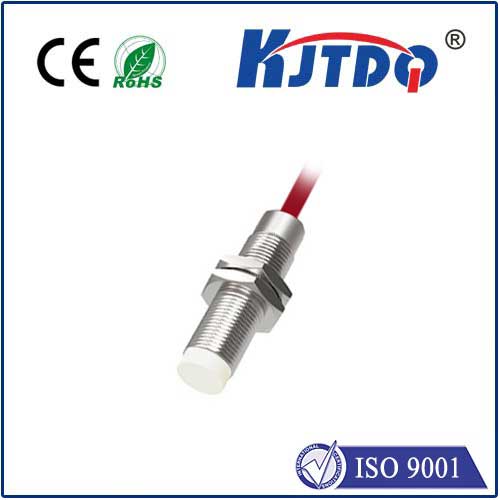
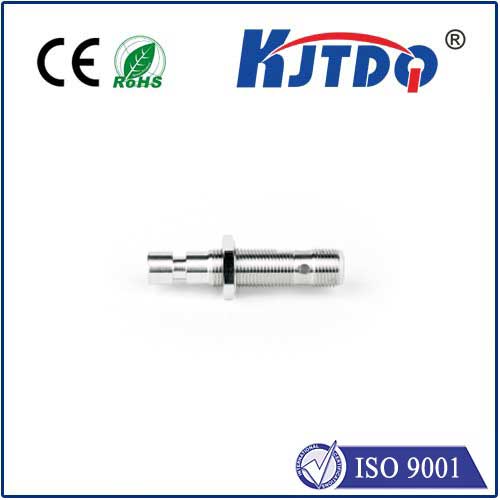
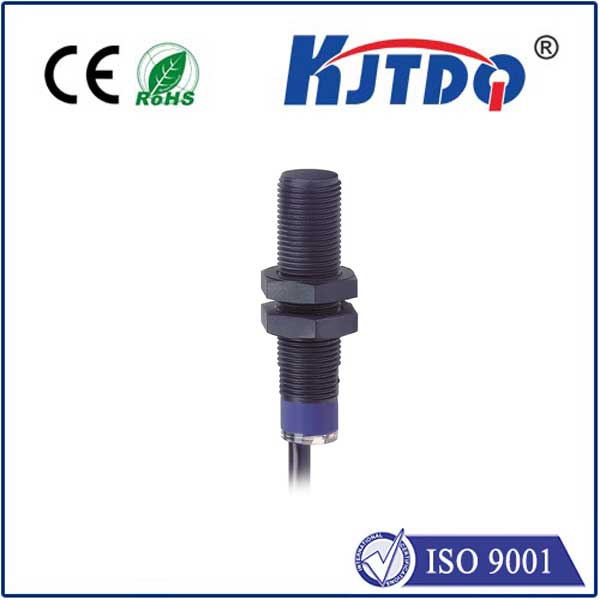
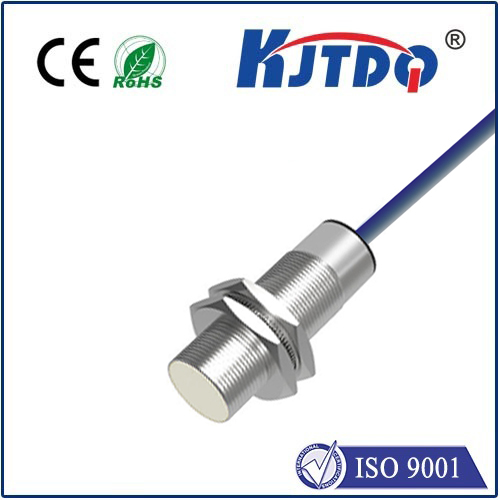
At its heart, a cylindrical photoelectric sensor operates on a simple yet powerful principle: it uses light to detect the presence, absence, or distance of an object. The basic components include an emitter (light source, typically an LED) and a receiver (phototransistor or similar). The cylindrical housing, often made of rugged stainless steel or nickel-plated brass, provides robust environmental protection. These sensors are primarily categorized by their sensing modes: through-beam, retro-reflective, and diffuse-reflective. Through-beam models offer the longest sensing ranges and highest reliability, with separate emitter and receiver units. Retro-reflective types use a single housing and a reflector, bouncing the light beam back. Diffuse-reflective sensors detect objects by measuring the light scattered directly back from the target itself, making them ideal for applications where mounting a reflector or separate receiver is impractical.
The versatility of cylindrical photoelectric sensors is unmatched. They are employed for precise object detection on high-speed conveyor belts, ensuring proper spacing and count. In packaging machinery, they verify the presence of labels, caps, or products before sealing. They act as level sensors in silos or tanks, preventing overflows or shortages. Their ability to detect tiny objects, transparent materials (like glass or plastic films), and even specific colors (with specialized models) expands their utility across industries from food and beverage to automotive and pharmaceuticals. The cylindrical form factor allows for easy installation via standard mounting brackets or nuts, facilitating integration into existing panels and machinery.
Selecting the right sensor for an application requires careful consideration of several parameters. Sensing range is paramount; it must be suitable for the intended detection distance. The type of output (e.g., NPN, PNP, analog, or IO-Link) must be compatible with the control system (PLC). Environmental factors cannot be overlooked. Sensors with an IP67 or IP69K rating are essential for washdown areas in food processing. Models with built-in background suppression are crucial for reliably detecting objects against varying or reflective backgrounds. For challenging conditions involving dust, steam, or heavy vibration, specialized models with robust housings and powerful, modulated LED light sources are necessary to ensure stable operation and prevent false triggers.
Modern advancements have further enhanced the capabilities of these workhorses. The integration of IO-Link communication transforms a simple sensor into a smart device, enabling parameter setting, condition monitoring, and diagnostic data readout directly from the controller. This facilitates predictive maintenance and reduces downtime. Furthermore, the development of high-power LEDs has extended sensing ranges and improved performance with dark or absorbent materials. When implementing these sensors, best practices include ensuring a stable power supply, avoiding optical interference from ambient light or other sensors, and performing regular lens cleaning to maintain optimal performance. Proper alignment, especially for through-beam and retro-reflective types, is critical for reliable operation.
In conclusion, the cylindrical photoelectric sensor remains a fundamental and highly adaptable solution for industrial sensing challenges. Its robust design, operational simplicity, and continuous technological evolution make it an irreplaceable asset in achieving efficient, reliable, and intelligent automation. Understanding its operating modes, application-specific requirements, and selection criteria is key to leveraging its full potential and building resilient automated systems that drive productivity and quality.