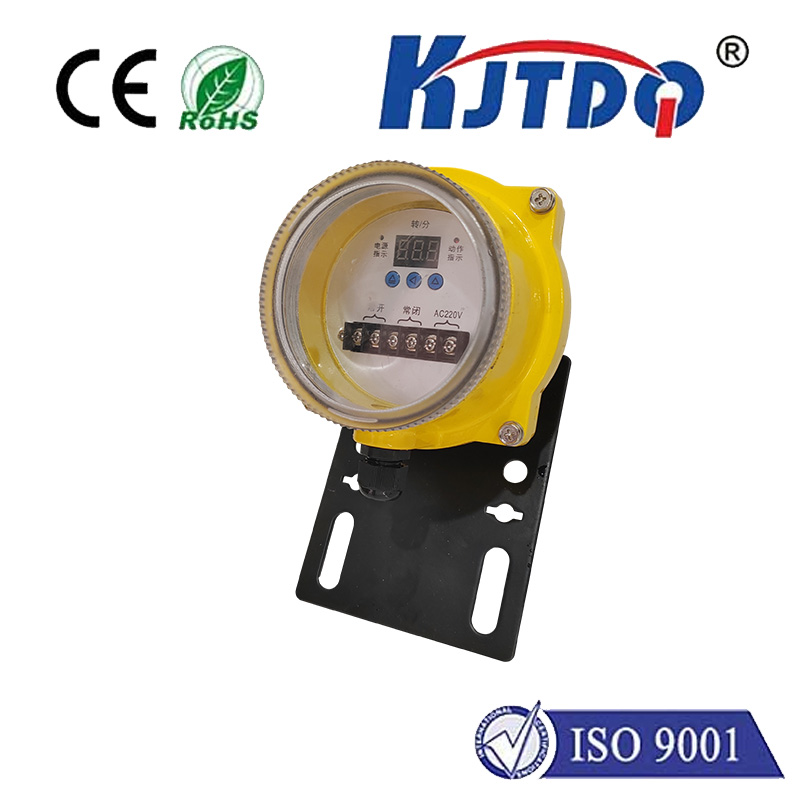
In the bustling arteries of modern urban infrastructure, escalators serve as vital conduits, moving millions of people daily through airports, subway stations, shopping malls, and office complexes. The seamless operation of these systems hinges on a critical, often unseen component: the photoelectricity sensor. Specifically, the integration of advanced photoelectric sensors, such as those represented by the KJTDQ series, is revolutionizing escalator safety, energy management, and operational reliability.
Traditional escalator control mechanisms often relied on mechanical timers or basic motion detection, leading to unnecessary energy consumption during low-traffic periods and potential safety gaps. The advent of sophisticated photoelectricity sensors has fundamentally changed this paradigm. These sensors operate on a simple yet powerful principle: they emit an invisible beam of light—typically infrared—across the escalator's path. When a passenger steps onto the entry or exit comb plate, they interrupt this beam. This interruption is instantly detected by the sensor's receiver, sending a precise signal to the escalator's central control system.
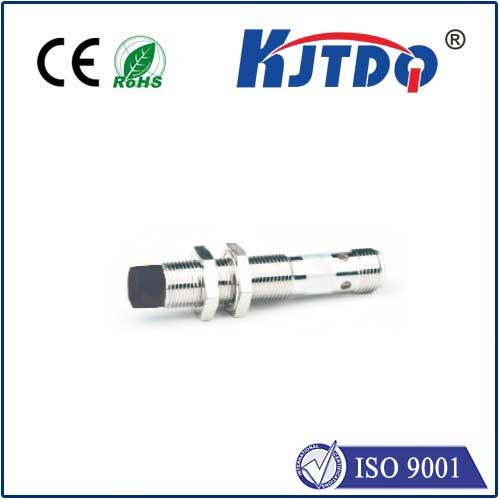
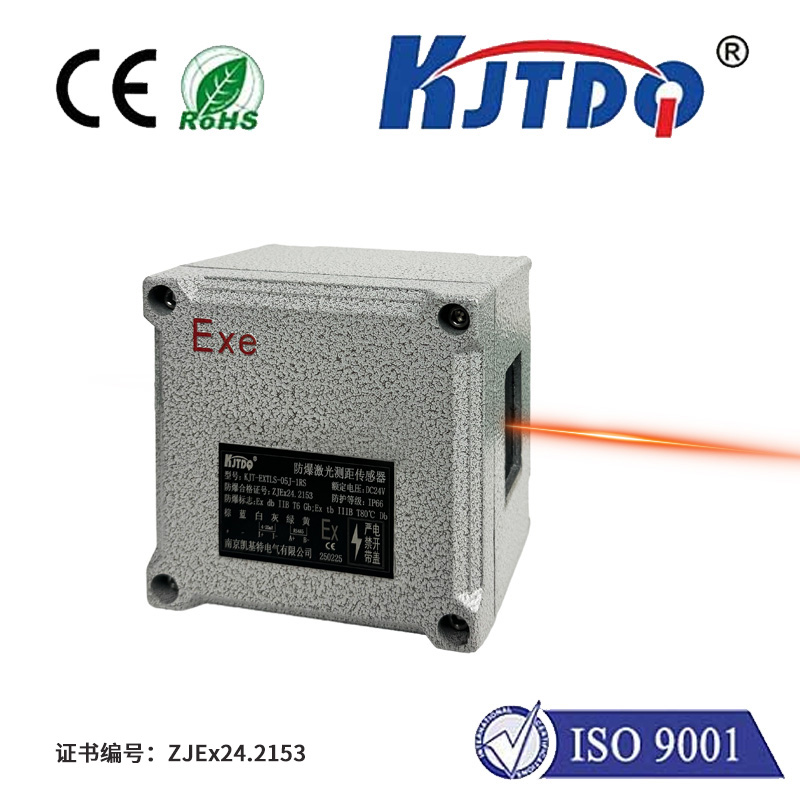
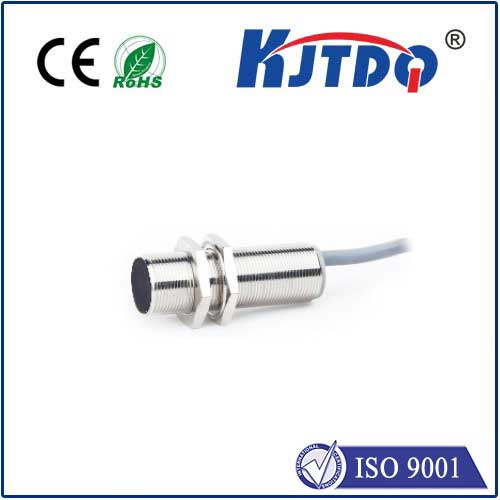
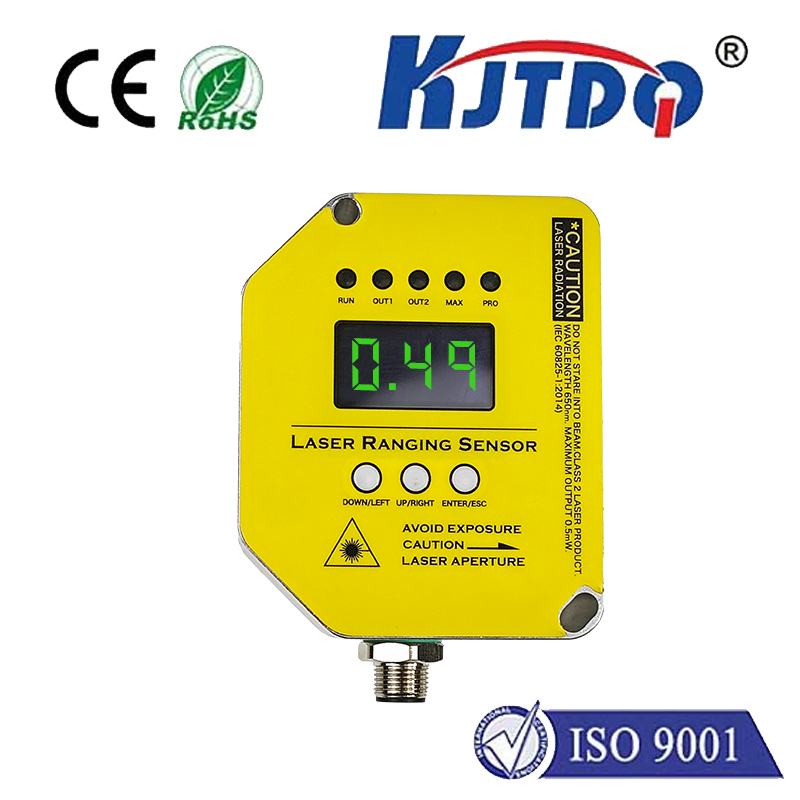
The KJTDQ escalator photoelectricity sensor exemplifies this technological advancement. Its core function is to provide accurate passenger detection, triggering the escalator to transition from standby or low-speed mode to full operational speed only when needed. This intelligent activation system offers profound benefits. Firstly, it delivers significant energy savings. By ensuring the escalator runs at full capacity only during actual use, it drastically reduces electricity consumption compared to systems that operate continuously. For facility managers overseeing large complexes with dozens of escalators, this translates to substantial cost reductions and a smaller environmental footprint, aligning with global sustainability goals.
Beyond energy efficiency, the primary mandate of any escalator system is passenger safety. Here, the precision and reliability of the KJTDQ photoelectric sensor are paramount. Consistent and immediate detection prevents the escalator from starting abruptly with a passenger only partially on the steps, a common cause of stumbles and falls. Furthermore, these sensors are integral to sophisticated safety chains. They can be configured to monitor for irregular blockages or objects trapped in the comb plate area. If an obstruction is detected for a preset duration, the sensor can signal the control system to stop the escalator automatically, preventing potential entrapment incidents and equipment damage. This proactive safety feature is crucial for maintaining public trust and complying with stringent international safety standards.
The reliability of these sensors under diverse environmental conditions is a key engineering challenge. The KJTDQ sensor is designed to perform consistently despite dust, varying ambient light from atrium windows or bright signage, and vibrations inherent to high-traffic transit hubs. Advanced optical components and signal processing algorithms filter out "noise," ensuring that the detection signal is based solely on genuine passenger presence. This robustness minimizes false triggers and unnecessary stops, which can cause passenger frustration and increase wear on mechanical components.
Installation and maintenance are streamlined with modern photoelectric sensors. Models like the KJTDQ series are often designed for easy alignment and calibration, reducing downtime during service. Their solid-state design, with no moving parts in the sensing element, leads to exceptional longevity and lower lifetime maintenance costs compared to mechanical switches. For maintenance technicians, diagnostic features such as visible LED indicators for beam alignment and operational status simplify troubleshooting, ensuring optimal performance is quickly restored.
Looking forward, the role of the escalator photoelectricity sensor is expanding within the framework of the Internet of Things (IoT) and smart building management. Sensors like the KJTDQ can be networked, providing real-time data on passenger flow patterns, peak usage times, and operational hours. This data is invaluable for predictive maintenance scheduling, optimizing cleaning cycles, and even informing architectural design for future projects. The humble sensor thus evolves from a simple safety switch into a intelligent node in a data-driven ecosystem, enhancing overall operational intelligence.
In conclusion, the continuous movement of urban life depends on the silent, efficient work of components like the KJTDQ escalator photoelectricity sensor. By marrying precision detection with robust design, it addresses the dual imperatives of energy conservation and passenger safety. As cities grow smarter and more connected, the intelligence embedded in such fundamental hardware will continue to be a cornerstone of efficient, safe, and sustainable public mobility. Investing in high-quality photoelectric sensing technology is not merely a technical upgrade; it is a commitment to smoother, safer, and more responsible urban transit for everyone.