Проверка
Проверка
Проверка
Проверка
Проверка

Проверка
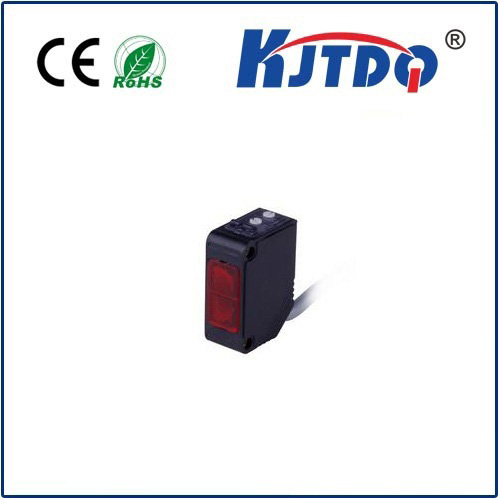
In the realm of industrial automation, precision, reliability, and durability are non-negotiable. Among the myriad of components that keep modern production lines humming, the column photoelectric switch sensor stands as a silent sentinel. Specifically, models like the E3F series have become industry benchmarks. This guide delves into the core of these devices, exploring their functionality, advantages, and critical applications, providing essential knowledge for engineers and procurement specialists.
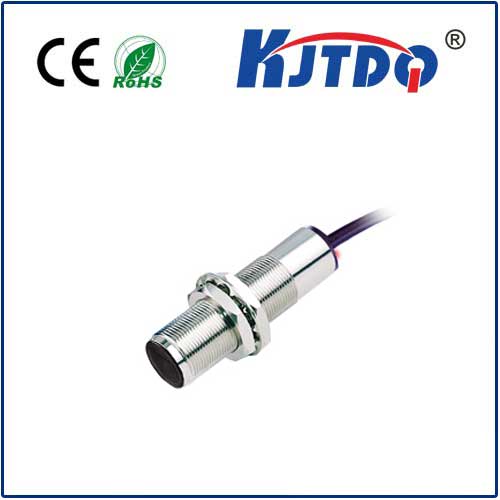
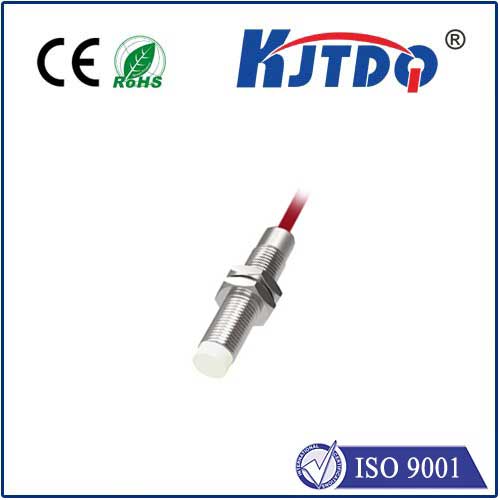
At its heart, a column photoelectric switch sensor, such as the E3F, operates on a simple yet profoundly effective principle: it uses light to detect the presence, absence, or position of an object. The "column" refers to its typical elongated, cylindrical housing, which contains both the light emitter (usually an LED) and the receiver. The E3F series commonly utilizes three main sensing modes: through-beam, retro-reflective, and diffuse-reflective. In through-beam mode, the emitter and receiver are separate units; an object is detected when it interrupts the light beam. This mode offers the longest sensing distance and highest reliability. Retro-reflective mode uses a single unit that emits light towards a reflector; detection occurs when the reflected beam is blocked. Diffuse-reflective mode, where the sensor detects light reflected directly from the target object, is ideal for sensing at shorter ranges without a separate reflector.
The design and construction of the E3F series sensors are tailored for harsh industrial environments. They typically feature rugged, metal or high-grade plastic housings with IP67 or higher ingress protection ratings, making them resistant to dust, water jets, and oil splashes. This robustness ensures consistent performance in settings like automotive manufacturing, packaging machinery, and material handling systems. The column shape often allows for easier mounting and alignment compared to smaller, compact sensors, providing a more stable installation for long-term use.
One of the standout features of the E3F series is its versatility in output configurations. These sensors are available with various output types, including NPN (sinking), PNP (sourcing), and relay outputs, allowing for seamless integration with different programmable logic controllers (PLCs) and control systems. Many models also come with a built-in sensitivity adjustment potentiometer or teach-in functionality, enabling fine-tuning on-site to adapt to specific target colors, materials, or environmental conditions. This adjustability is crucial for minimizing false triggers and maximizing detection accuracy.
The application spectrum for column photoelectric sensors like the E3F is vast. They are indispensable for object counting on high-speed conveyor belts, ensuring precise batch quantities. In assembly lines, they provide accurate position verification for robotic arms or actuate the next step in a process sequence. They serve as safety interlock devices, detecting if a guard door is open or if a worker is in a hazardous zone. Furthermore, their ability to detect transparent objects, such as glass bottles or plastic films—a challenge for many other sensor types—makes them invaluable in the food, beverage, and pharmaceutical industries.
When selecting an E3F sensor, several key specifications demand attention. Sensing distance is paramount; it must be chosen based on the actual application gap. Response time, often in milliseconds, determines how fast the sensor can react in high-speed applications. The light source, typically red or infrared LED, affects detection capabilities for different materials. Environmental factors like ambient temperature, exposure to strong ambient light, or corrosive chemicals must also be considered to ensure the selected model's specifications exceed the operational demands.
Installation and maintenance, though straightforward, require careful planning. Proper alignment is critical, especially for through-beam and retro-reflective types. Mounting brackets should be secure to prevent vibration-induced misalignment. Lenses must be kept clean from dust, grime, or condensation to maintain optimal performance. Regular functional checks should be part of routine machine maintenance to prevent unexpected downtime. The longevity and stable operation of E3F sensors are testaments to their design, but proactive care extends their service life even further.
In conclusion, the column photoelectric switch sensor, exemplified by the E3F series, is far more than a simple component; it is a foundational element of modern automated control. Its blend of robust construction, operational flexibility, and precise detection capabilities solves complex challenges across industries. For system designers and maintenance engineers, understanding the nuances of these sensors—from their operating modes to application-specific selection criteria—is key to building efficient, reliable, and intelligent automated systems. As technology advances, the core principle of photoelectric sensing remains a trusted and evolving solution for industrial detection needs.