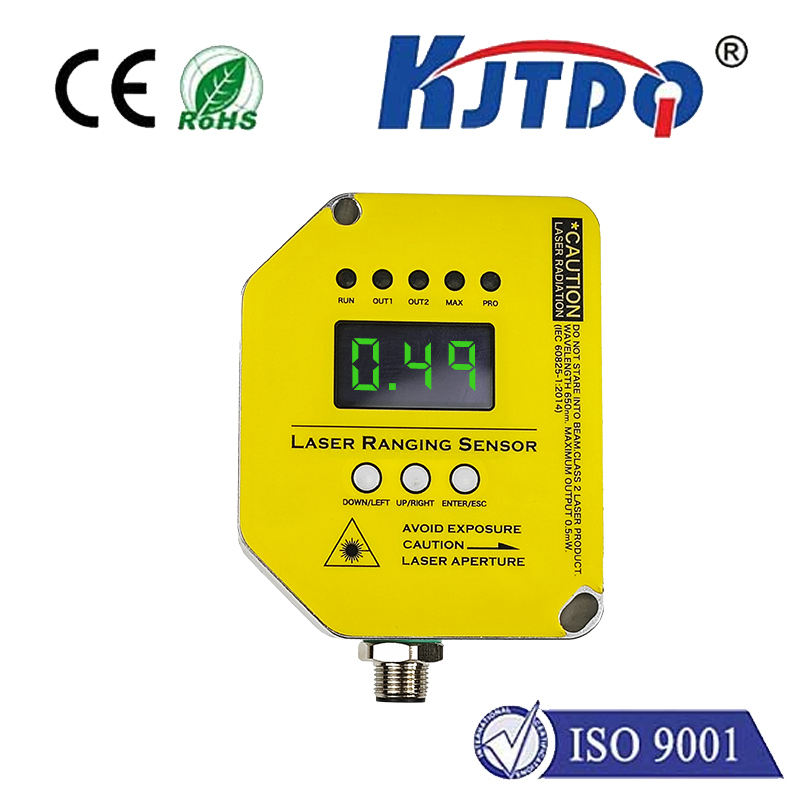
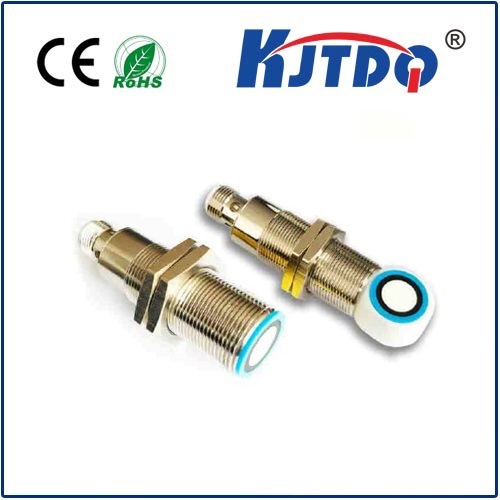
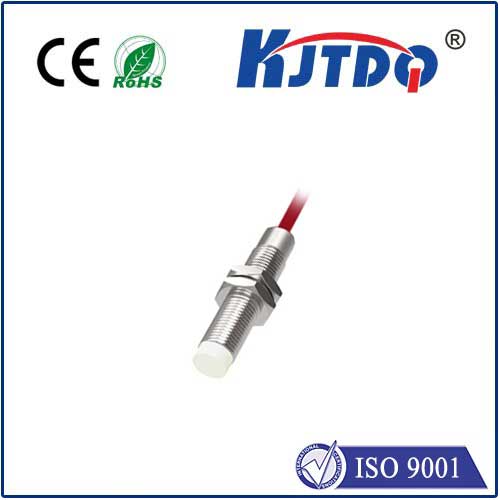
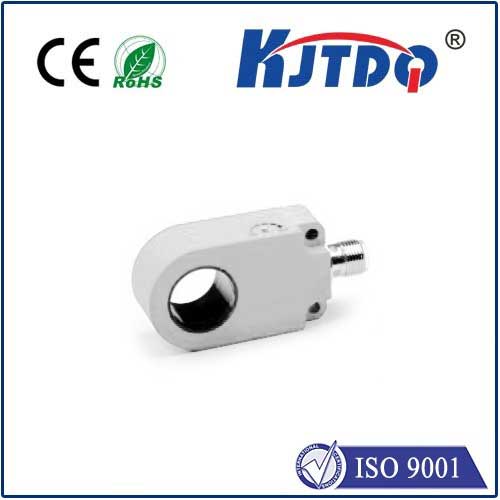
In the realm of industrial automation and advanced control systems, achieving reliable, long-range detection is a persistent challenge. The long distance photoelectric sensor emerges as a cornerstone technology, providing a non-contact solution for applications where precision and range are paramount. Unlike standard proximity sensors, these specialized devices are engineered to detect objects, measure distances, or monitor processes over extended spans, often reaching several tens or even hundreds of meters. Their operation hinges on the principle of emitting a light beam—typically from a high-intensity LED or laser diode—and analyzing the reflected signal. The key to their long-range capability lies in the use of focused, coherent light sources and highly sensitive receivers that can discern the faint return signal from background noise.
The core technology behind a long distance photoelectric sensor involves sophisticated modulation techniques. By modulating the emitted light at a specific frequency, the sensor can filter out ambient light interference, such as sunlight or factory lighting, ensuring stable operation in harsh environments. This modulated light, when reflected off a target, is received by a phototransistor or similar component. The sensor's internal circuitry then processes this signal to determine the presence, absence, or precise distance of the object. Models are available in various configurations: through-beam, retro-reflective, and diffuse reflective. Through-beam sensors, with separate emitter and receiver units, offer the longest possible range and highest reliability. Retro-reflective types use a reflector to bounce the beam back, while diffuse reflective sensors detect light scattered directly from the target object, suitable for shorter long-range needs.
The applications for long distance photoelectric sensors are vast and critical. In material handling and logistics, they are indispensable for monitoring conveyor belts, controlling crane positions, and detecting oversized loads in warehouses and ports. In the automotive industry, they ensure precise positioning of vehicles on assembly lines and robotic welding paths. Forestry and agriculture utilize them for vehicle guidance and inventory measurement of raw materials like timber. Furthermore, in security and access control, they form invisible barriers for perimeter protection. Their ability to function reliably in demanding conditions—withstanding dust, vibration, and temperature fluctuations—makes them a preferred choice over mechanical limit switches or ultrasonic sensors in many scenarios.
Selecting the right long distance photoelectric sensor requires careful consideration of several parameters. The sensing range is the most obvious, but one must also account for the target object's size, color, and surface texture, as these affect reflectivity. Light sources are crucial; laser sensors provide a very precise, visible spot ideal for small targets and extreme distances, while high-power infrared LEDs offer a more robust and cost-effective solution for general purposes. The response time, output type (e.g., NPN/PNP, analog, or IO-Link), and environmental protection rating (IP67/IP69K) are equally vital for system integration. Modern sensors also feature advanced diagnostics, teach-in functions for easy setup, and connectivity for Industry 4.0 frameworks.
In conclusion, the long distance photoelectric sensor is not merely a component but an enabling technology for smarter, safer, and more efficient industrial operations. Its evolution continues with trends toward miniaturization, increased intelligence with embedded processors, and enhanced connectivity. By providing a dependable eye over great distances, it bridges the gap between physical processes and digital control systems, forming a fundamental link in the chain of modern automation. For engineers and system integrators, understanding its principles and applications is key to unlocking new levels of operational precision and reliability.