In the realm of electronics and automation, precision detection forms the backbone of countless projects, from simple hobbyist creations to complex industrial systems. The photoelectric sensor board kit emerges as a fundamental and versatile component in this landscape. Unlike bulky, pre-assembled units, a kit offers unparalleled flexibility, allowing makers, engineers, and students to understand the underlying principles while building a tool tailored to their specific needs. This hands-on approach demystifies the technology, transforming abstract concepts into tangible, functional devices.
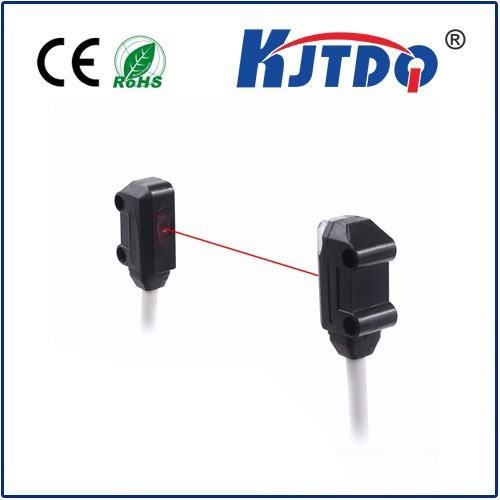
A typical photoelectric sensor board kit includes the essential building blocks: a printed circuit board (PCB), an infrared or visible light emitter (usually an LED), a phototransistor or photodiode receiver, supporting resistors, capacitors, and often a comparator chip like the LM393 for clean signal output. The beauty of the kit lies in its assembly process. By soldering each component onto the board, users gain intimate knowledge of the circuit's architecture. They see how the emitter sends a modulated light beam and how the receiver's conductivity changes when this beam is interrupted or reflected by an object. This direct interaction fosters a deeper comprehension than simply plugging in a pre-made module.
The applications for a self-assembled photoelectric sensor are virtually limitless. In home automation, it can serve as a discreet door or window security sensor, triggering an alarm when the light path is broken. For robotics enthusiasts, these kits are indispensable for building line-following robots; sensors mounted on the underside detect contrasting lines on a track, providing navigational data to the microcontroller. In industrial prototyping, they can count objects on a conveyor belt, detect fill levels in containers, or ensure precise positioning in assembly machines. The digital or analog output from the board can be easily interfaced with popular platforms like Arduino, Raspberry Pi, or ESP32, making it a bridge between the physical and digital worlds.
Choosing the right photoelectric sensor board kit depends on the project requirements. Key specifications to consider include sensing distance, response time, and output type. Kits with infrared emitters are less susceptible to ambient light interference, making them suitable for varied environments. Some advanced kits incorporate potentiometers for adjustable sensitivity, allowing fine-tuning for different object colors or surface reflectivities. For educational purposes, a kit with thorough documentation and a clear schematic is invaluable. It should explain not just the "how" of assembly, but the "why" behind each component's role, turning the build into a practical lesson in optoelectronics.
Beyond functionality, working with a sensor kit develops crucial skills. It hones soldering technique, reinforces the ability to read circuit diagrams, and introduces fundamental concepts of signal conditioning. Troubleshooting a non-functional sensor—checking for cold solder joints, verifying component orientation, testing voltage levels—is an exercise in logical problem-solving that pre-packaged solutions often bypass. This experiential learning builds confidence and a toolkit of knowledge applicable to far more complex electronic ventures.
In conclusion, the photoelectric sensor board kit is more than just a collection of parts; it is a gateway to practical electronics and automated sensing. It empowers creators to move from passive consumers of technology to active innovators. By providing the core components for a reliable detection system, it removes barriers to entry for automation projects, fostering experimentation and customization. Whether you're a student laying the groundwork for an engineering career, a hobbyist adding smart features to your home, or a professional prototyping a new idea, assembling and utilizing this kit provides a solid, hands-on foundation in the critical technology of photoelectric sensing, making precision detection an accessible and understandable achievement.