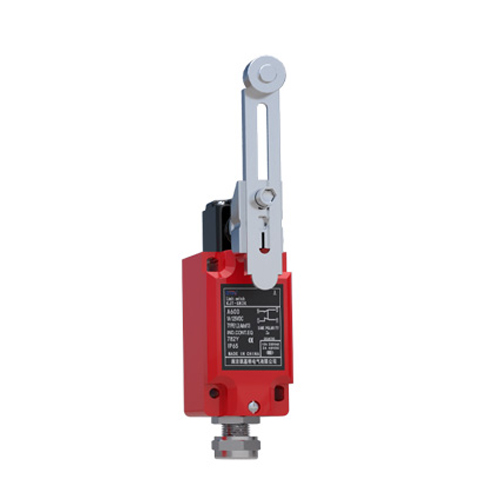
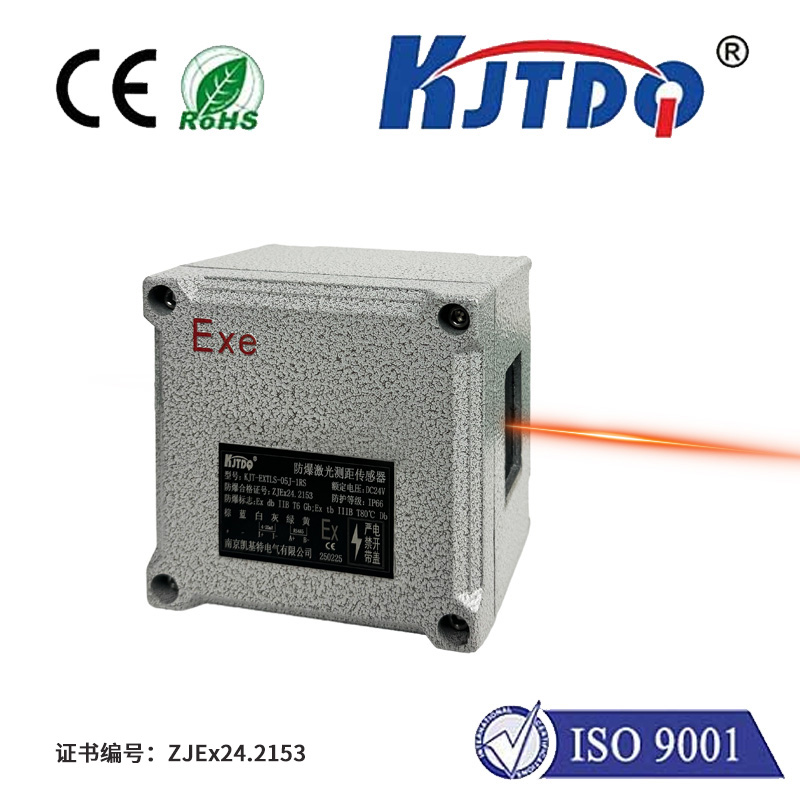
In today's rapidly evolving industrial landscape, the demand for reliable, non-contact detection solutions has never been greater. The proximity contact sensor, a cornerstone of modern automation, stands out as a critical component for ensuring operational safety, precision, and efficiency. Unlike traditional mechanical switches that require physical touch, these advanced sensors detect the presence or absence of an object within a specific range without any direct contact. This fundamental characteristic eliminates wear and tear, significantly reduces maintenance needs, and enables high-speed operation in environments where contamination or physical impact is a concern.
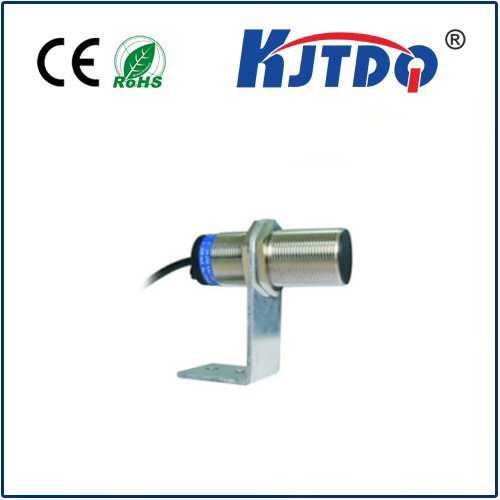
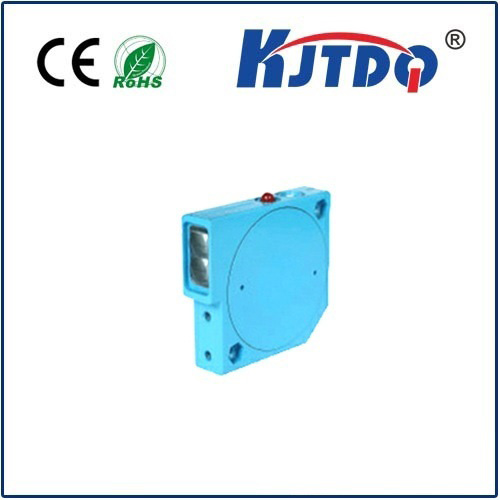
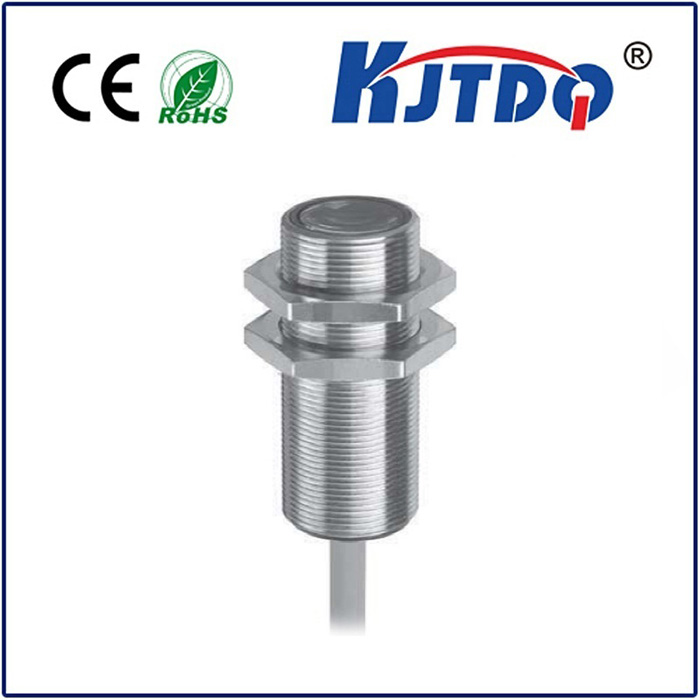
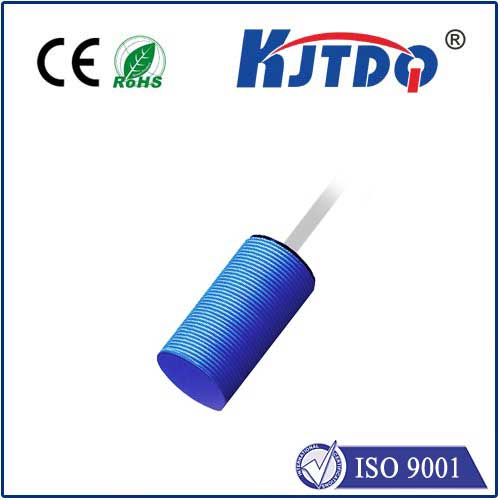
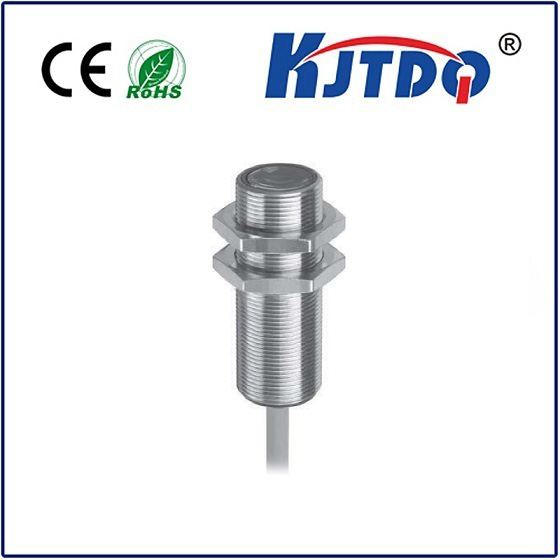
The core technology behind a proximity contact sensor typically involves electromagnetic fields, capacitance, or ultrasonic waves. Inductive sensors, for instance, are ideal for detecting metallic objects. They generate an oscillating electromagnetic field; when a metal target enters this field, it induces eddy currents that dampen the oscillation, triggering a switch signal. Capacitive sensors, on the other hand, can detect both metallic and non-metallic materials like liquids, plastics, or wood by measuring changes in capacitance. Ultrasonic sensors use sound waves to measure distance to an object, offering excellent performance for level detection or presence sensing in challenging conditions. The versatility of these operating principles allows proximity contact sensors to be deployed across a staggering array of applications.
From automotive assembly lines where they verify part placement to packaging machinery ensuring carton sealing, proximity contact sensors provide the essential "eyes" for automated systems. In the food and beverage industry, their sealed, hygienic designs prevent contamination while monitoring production flow. Within heavy machinery and robotics, they act as safety interlocks, preventing collisions and protecting both equipment and personnel. The integration of these sensors into the Industrial Internet of Things (IIoT) ecosystem further amplifies their value. By providing real-time data on machine cycles, part counts, and potential faults, they form the backbone of predictive maintenance strategies, minimizing unplanned downtime and optimizing overall equipment effectiveness (OEE).
Selecting the right proximity contact sensor requires careful consideration of several factors. The sensing distance, or range, must be appropriate for the application to avoid false triggers or missed detections. Environmental conditions are paramount; sensors may need to withstand extreme temperatures, washdowns with high-pressure chemicals, or exposure to oils and coolants. The housing material, typically stainless steel, nickel-plated brass, or specialized plastics, must be chosen for durability and chemical resistance. Output type is another key decision, with options including NPN, PNP, analog, or IO-Link digital communication, which must be compatible with the existing control system. Proper installation is equally crucial, as surrounding metal (metal-in-face) or adjacent sensors can interfere with performance, necessitating adequate spacing.
The ongoing evolution of proximity contact sensor technology focuses on miniaturization, increased intelligence, and enhanced connectivity. Modern sensors are becoming smaller yet more robust, allowing installation in space-constrained locations. The advent of smart sensors with IO-Link capability provides not just a simple on/off signal but a wealth of diagnostic data, such as operating temperature, signal strength, and parameter settings, accessible directly from the controller. This facilitates remote configuration, monitoring, and troubleshooting, reducing commissioning time and simplifying asset management. Furthermore, advancements in materials and design continue to push the limits of sensing ranges and environmental resilience.
In conclusion, the proximity contact sensor is far more than a simple switch. It is an intelligent, reliable, and indispensable tool that drives the safety, precision, and productivity of automated processes. As industries continue to embrace smarter manufacturing and stringent safety standards, the role of these sensors will only become more central. By understanding their operating principles, applications, and selection criteria, engineers and technicians can leverage their full potential to build more resilient, efficient, and competitive operations for the future.