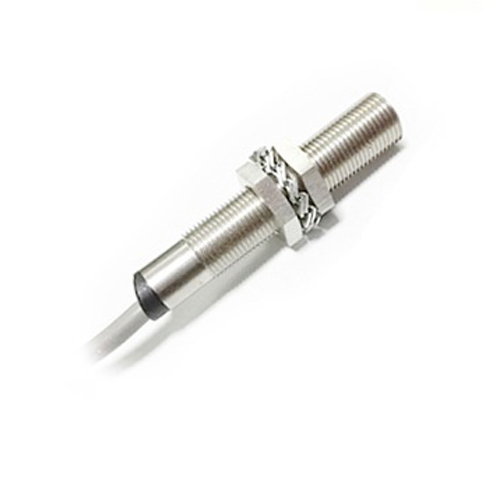
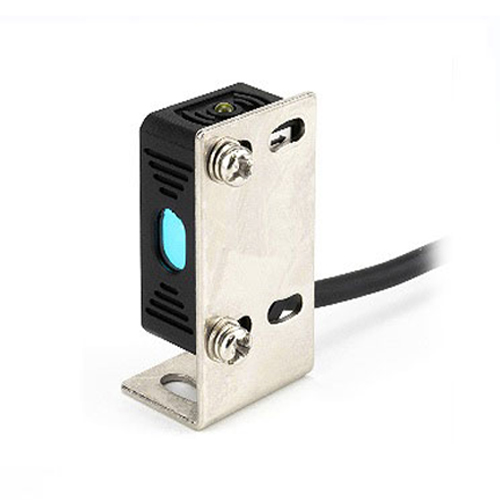
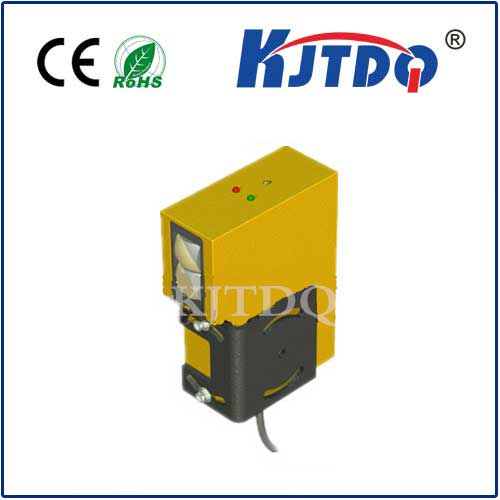
In today's rapidly evolving industrial and security landscapes, the photoelectric beam sensor stands as a cornerstone of reliable, non-contact detection. This technology, often operating silently and unseen, forms the backbone of countless safety systems, automation processes, and perimeter security solutions worldwide. Unlike physical switches or pressure plates, photoelectric sensors offer a seamless, beam-based method of monitoring presence, absence, or position of objects without any direct contact.
At its core, a photoelectric beam sensor system consists of two primary components: a transmitter and a receiver. The transmitter emits a focused beam of light—typically infrared, laser, or visible LED—across a designated space. The receiver, positioned precisely to catch this beam, continuously monitors the light signal. The fundamental principle is elegantly simple: when an opaque object interrupts this beam of light, the receiver detects the change in light intensity or the complete loss of signal. This interruption triggers an immediate electrical output signal, which can be used to stop machinery, sound an alarm, count objects, or initiate any number of automated responses.
The advantages of using photoelectric beam sensors are manifold. Their primary benefit is long-range detection. Certain models can reliably monitor distances exceeding 100 meters, making them ideal for safeguarding large perimeters, monitoring warehouse doors, or controlling access to expansive outdoor areas. This range far surpasses that of most proximity sensors. Furthermore, they are exceptionally reliable for detecting virtually any solid object, regardless of material composition—be it metal, plastic, wood, or even glass (depending on opacity). This versatility is a key reason for their widespread adoption.
Another significant advantage is their speed and precision. The detection response time is extremely fast, often in microseconds, allowing for high-speed object counting on production lines or immediate safety shutdowns. They are also immune to many environmental factors that plague other sensor types. Since detection depends on light beam interruption, factors like the color, surface finish, or magnetic properties of the target object have minimal effect on performance, ensuring consistent operation.
When selecting a photoelectric beam sensor for an application, several critical factors must be considered. The required sensing range is paramount. For outdoor security fences, a long-range, weather-resistant model is necessary. For indoor machine guarding, a shorter-range, compact sensor might suffice. The beam type is also crucial. Infrared beams are common and discreet, while visible laser beams allow for precise alignment during installation. Environmental conditions cannot be overlooked. Sensors deployed outdoors or in dusty, humid, or volatile industrial settings require appropriate Ingress Protection (IP) ratings and, in some cases, specialized housings to withstand temperature extremes, water, and corrosion.
The applications for photoelectric beam sensors are diverse and critical. In industrial automation, they are indispensable for object detection on conveyor belts, robotic arm positioning, and ensuring safe operation of presses and cutting machines by creating invisible safety curtains. In the realm of security, they form the first line of defense for perimeter protection around data centers, museums, and private estates, detecting intruders before they reach a physical barrier. They are also commonly used for automatic door control, vehicle detection in parking garages, and people counting in retail environments.
Installation and alignment are straightforward but vital for optimal performance. The transmitter and receiver must be securely mounted and precisely aligned so that the beam is received at its maximum strength. Many modern sensors feature alignment indicators, such as LED lights or audible signals, to assist with this process. Regular maintenance involves keeping the lenses clean from dust, dirt, and moisture to prevent false triggers or signal degradation. A simple routine check to ensure the beam is unobstructed and the output signal functions correctly can prevent system failures.
Compared to alternative technologies like microwave barriers or seismic sensors, photoelectric beams offer an excellent balance of cost, reliability, and simplicity. They provide a clear, defined detection zone—a straight line—which simplifies zoning and reduces false alarms from activity outside the protected area. As technology advances, we are seeing the integration of smart features, such as Bluetooth connectivity for configuration via smartphone apps, self-diagnostic capabilities that alert users to lens contamination or misalignment, and enhanced resistance to intentional blinding or spoofing attempts.
In conclusion, the photoelectric beam sensor remains a vital, robust, and adaptable technology. Its principle of operation is simple, yet its impact on safety, security, and efficiency is profound. From guarding heavy machinery to securing national borders, this technology provides a reliable, invisible line of defense. Understanding its operation, benefits, and proper application guidelines is essential for engineers, security professionals, and facility managers seeking to implement effective, long-lasting detection solutions. Choosing the right sensor and maintaining it properly ensures that this unseen guardian performs its duty flawlessly, day in and day out.