Проверка
Проверка
Проверка
Проверка
Проверка
Проверка
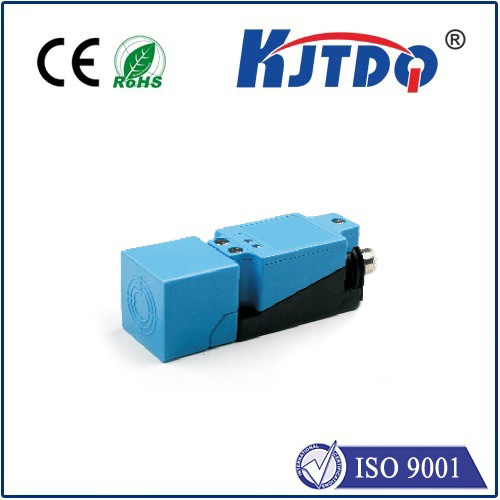
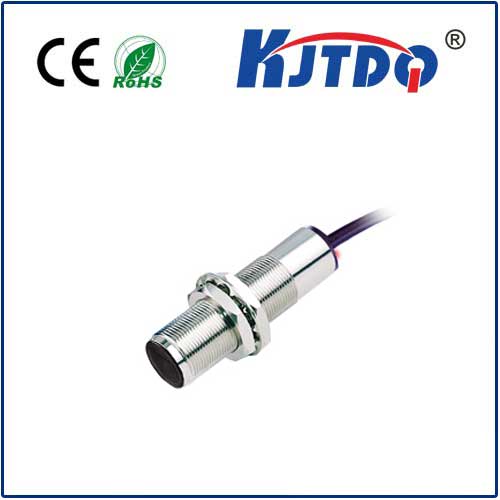
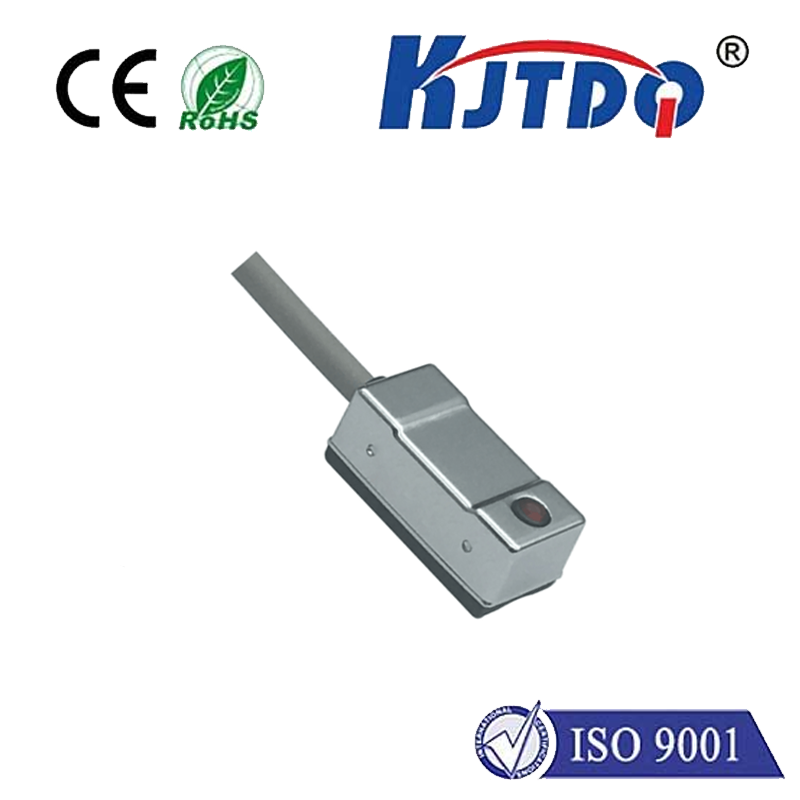
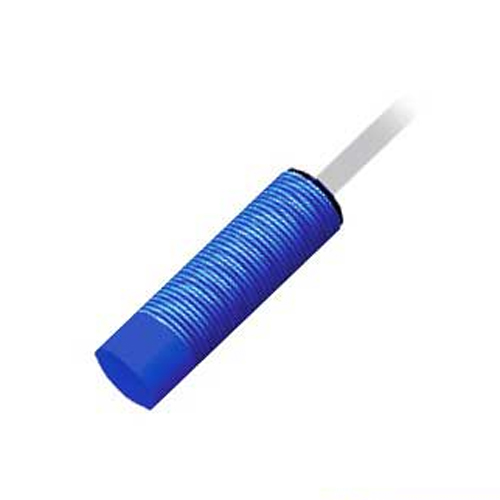
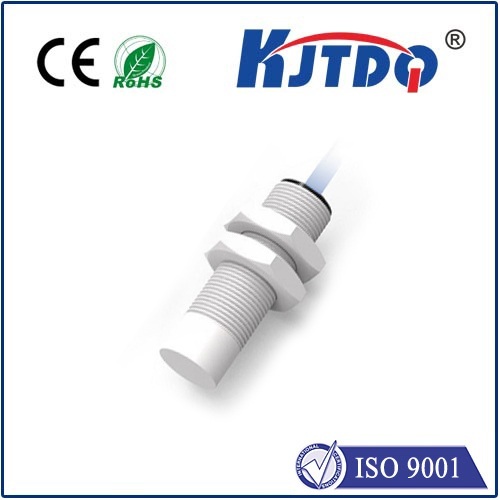
In the dynamic landscape of industrial automation, the demand for precise, reliable, and non-contact sensing solutions has never been greater. Among the array of technologies available, proximity sensors specifically designed for metal detection stand out as a cornerstone of modern manufacturing, logistics, and safety systems. These sophisticated devices, often referred to as inductive proximity sensors, operate on a fundamental electromagnetic principle to detect the presence or absence of metallic objects without any physical contact, thereby eliminating wear and tear and ensuring long-term operational integrity.
The core technology behind these metal-sensing proximity sensors involves an oscillator circuit that generates a high-frequency electromagnetic field at the active sensing face. When a metallic object enters this field, eddy currents are induced on the surface of the metal. This process dampens the oscillation amplitude within the sensor. An integrated evaluation circuit meticulously monitors this change, triggering a solid-state output switch. This seamless process allows for the detection of ferrous metals like steel and iron with high sensitivity, and many advanced models are equally adept at sensing non-ferrous metals such as aluminum, copper, and brass, albeit at typically shorter sensing ranges. This capability is paramount in applications ranging from simple object counting on a conveyor belt to complex robotic positioning and assembly verification.
The integration of proximity sensors for metal detection brings transformative benefits to industrial operations. First and foremost is unparalleled reliability. With no moving parts to fail and a sealed design resistant to dust, coolant, and oil splashes, these sensors offer exceptional durability in harsh environments. Their high switching frequency enables them to detect objects at incredible speeds, making them ideal for high-throughput production lines. Furthermore, their precision ensures repeatable accuracy in positioning tasks, which is critical for maintaining product quality and minimizing waste. From ensuring a metal cap is properly seated on a bottle to confirming the presence of a machined part before a robotic weld, the applications are virtually limitless.
Consider a typical automotive assembly line. Here, inductive proximity sensors are deployed extensively. They verify the presence of engine blocks, detect the position of metal brackets for robotic arm guidance, and count metallic components as they move along the conveyor. In packaging machinery, these sensors ensure metal lids or foil seals are correctly applied. In the realm of safety, they are integral to door interlock systems on heavy machinery, preventing operation if a protective guard is not securely in place. The advent of more compact and intelligent sensors has further expanded their utility, allowing for installation in space-constrained areas and offering advanced diagnostics via IO-Link communication, which provides data on sensor health and operating conditions for predictive maintenance.
Selecting the right proximity sensor for a metal detection task requires careful consideration of several factors. The sensing range, which varies based on the sensor's size and the type of metal, is a primary specification. Environmental conditions dictate the required ingress protection (IP) rating, with higher ratings necessary for wash-down or outdoor applications. The output type—PNP or NPN, normally open or normally closed—must be compatible with the controlling programmable logic controller (PLC). Finally, the physical housing, whether cylindrical, rectangular, or slot-style, is chosen based on mounting constraints. Consulting with technical specialists and reviewing application notes is always recommended to ensure optimal performance.
As Industry 4.0 continues to evolve, the role of the humble proximity sensor is also advancing. Modern sensors are becoming smarter, serving as data points on the factory network. They no longer just send a simple on/off signal but can communicate detailed operational parameters, contributing to a holistic data-driven ecosystem aimed at maximizing efficiency, uptime, and productivity. The fusion of robust metal detection capability with digital intelligence ensures that proximity sensors will remain an indispensable component in the automated factories of today and tomorrow, silently and reliably enabling the precision that modern industry demands.