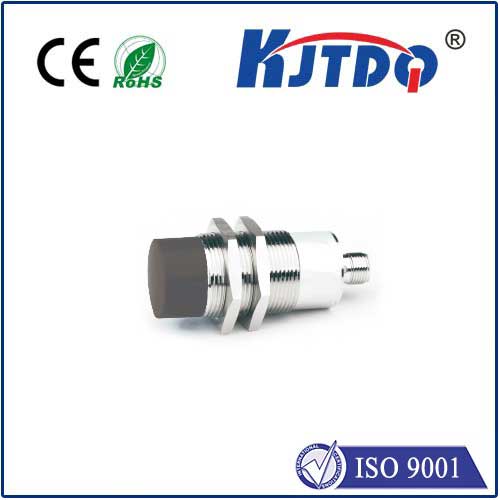
In the realm of industrial automation, reliable data communication is the backbone of efficient operations. Among the various technologies enabling this, the RS232 proximity sensor stands out as a robust and time-tested solution. This guide delves into the core functionality, applications, and enduring relevance of RS232-enabled proximity sensors in modern industrial settings.
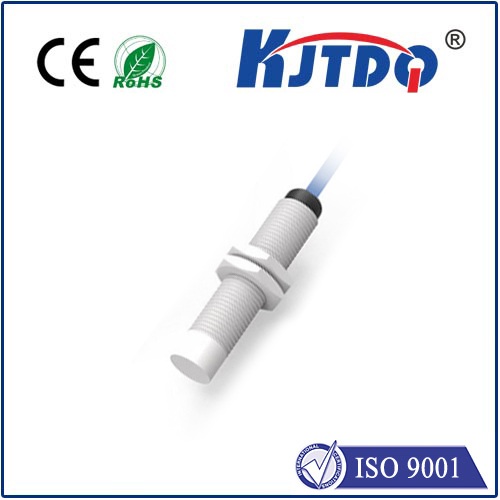
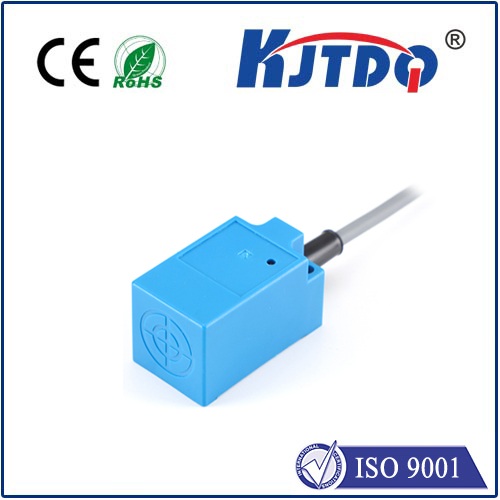
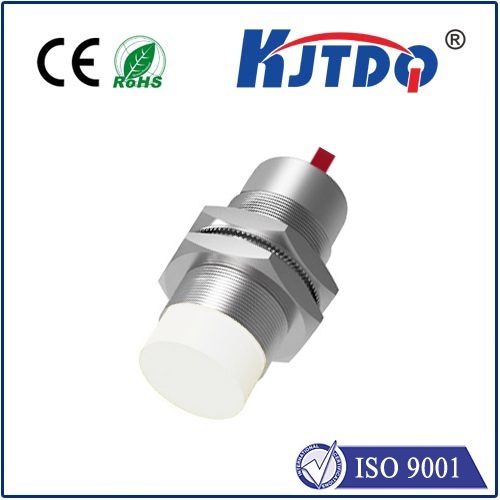
At its heart, a proximity sensor is a device that detects the presence or absence of an object within a specific range without physical contact. It achieves this through various sensing principles, such as inductive, capacitive, or ultrasonic methods. When this sensor is integrated with an RS232 serial communication interface, it transforms from a simple detection tool into a sophisticated data node within a larger control system. The RS232 standard, formally known as EIA/TIA-232, defines the electrical characteristics and timing of signals, the meaning of those signals, and the physical size and pinout of connectors. It facilitates point-to-point communication between the sensor (Data Terminal Equipment) and a host controller like a PLC, computer, or HMI (Data Circuit-terminating Equipment).
The primary advantage of an RS232 proximity sensor lies in its simplicity and directness. Unlike modern network protocols that require complex configuration, RS232 offers a straightforward, wired connection. The sensor can transmit not just a simple on/off signal but also detailed diagnostic data, such as sensing distance adjustments, temperature readings, or operational status flags, all in a serial data stream. This allows for advanced monitoring and predictive maintenance, as the host system can query the sensor for its health and performance metrics. For instance, in an automated packaging line, an inductive RS232 proximity sensor can detect metallic product cans on a conveyor belt. Beyond just signaling "object present," it can communicate its own operational parameters to the central controller, alerting operators to potential alignment issues or wear before a failure causes downtime.
Typical applications for these sensors are found in environments where reliability is paramount and where long cable runs in electrically noisy conditions are common. Manufacturing assembly lines, material handling systems, and CNC machinery frequently utilize RS232 proximity sensors for tasks like part positioning, counting, and end-of-travel detection. The RS232 standard's relatively high voltage signals (typically ±3 to ±15V) provide better noise immunity over short to medium distances compared to lower-voltage logic, making it suitable for harsh industrial floors filled with electromagnetic interference from motors and drives.
However, it is crucial to understand the limitations to deploy them effectively. RS232 is designed for communication over relatively short distances—usually up to 50 feet (15 meters) at maximum recommended data rates. For longer distances, signal degradation becomes an issue. It is also inherently a point-to-point protocol, meaning one sensor directly connected to one port on a controller. To network multiple sensors, additional hardware like multiplexers or a shift to multi-drop protocols like RS485 is necessary. Despite the rise of fieldbus systems and Industrial Ethernet, the RS232 proximity sensor maintains its niche. Its legacy compatibility with a vast installed base of older machinery, its simplicity for small-scale applications, and its effectiveness in specific noisy environments ensure it remains a vital component in an engineer's toolkit. When selecting an RS232 proximity sensor, key specifications to consider include the sensing range, the sensing technology (inductive for metals, capacitive for non-metals, etc.), the output data format (ASCII, binary), the baud rate compatibility, and the environmental rating (IP67 for dust and water resistance is common).
In conclusion, the integration of an RS232 interface with a proximity sensor creates a powerful and intelligent detection device. It bridges the gap between basic physical sensing and actionable system-level data. For applications demanding straightforward, reliable, and diagnosable point-to-point connectivity in controlled or moderately harsh environments, the RS232 proximity sensor continues to be an indispensable and effective choice, proving that well-engineered foundational technologies retain significant value even in an age of rapid digital transformation.