Проверка
Проверка
Проверка
Проверка
Проверка
Проверка
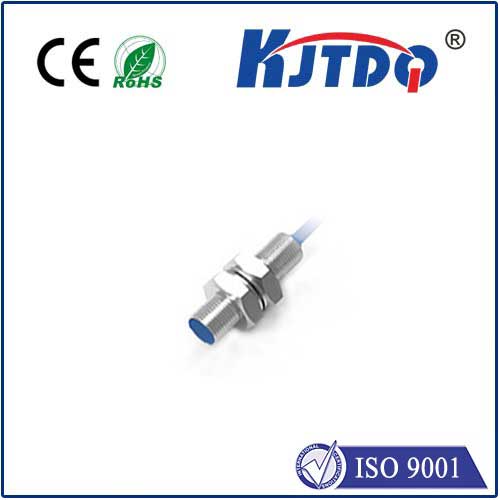
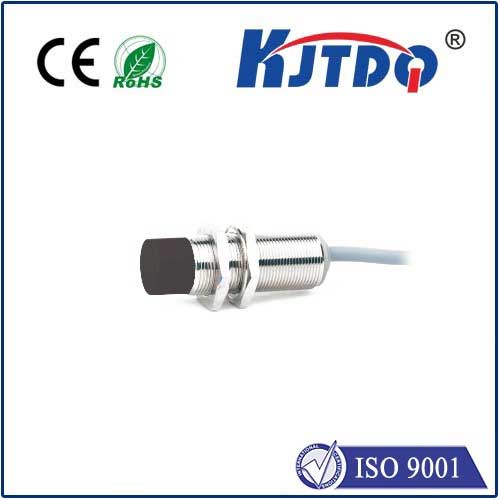
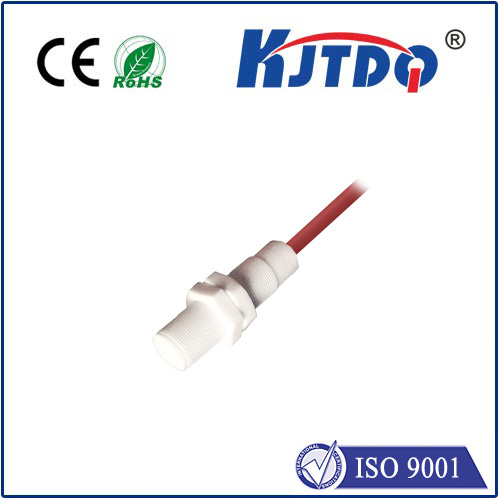
Title: “Understanding M18 Inductive Proximity Sensors: A Comprehensive Guide” In the realm of industrial automation and control systems, precision is key. To achieve this, various types of sensors are employed to monitor and respond to changes in their environment. Among these sensors, the m18 inductive proximity sensor stands out for its robustness, versatility, and reliability. This guide will delve into what an m18 inductive proximity sensor is, how it works, its applications, and why it’s a preferred choice in many industries. What is an m18 Inductive Proximity Sensor? An m18 inductive proximity sensor refers to a type of sensor with an 18mm diameter housing that utilizes the principle of electromagnetic induction to detect metallic objects. Unlike capacitive sensors which can detect both metal and non-metal substances, inductive sensors are specifically designed for metal detection. The ’m’ signifies the method of mounting (through a thread), and 18 indicates the size of the sensor’s face, which directly correlates to the sensing distance. Как это работает? At the heart of an m18 inductive proximity sensor lies an oscillator circuit. This circuit generates an electromagnetic field when activated by an alternating current. When a metallic object enters the field, eddy currents are induced within the object, leading to a change in the impedance of the sensor coil. This variation in impedance disrupts the oscillation, triggering a switch signal that indicates the presence or absence of the metal object. This switch signal can then be integrated into automated systems for further processing or control actions. Applications of the m18 Inductive Proximity Sensor Due to their high durability and ability to function under harsh conditions, m18 inductive proximity sensors are widely used in several applications: