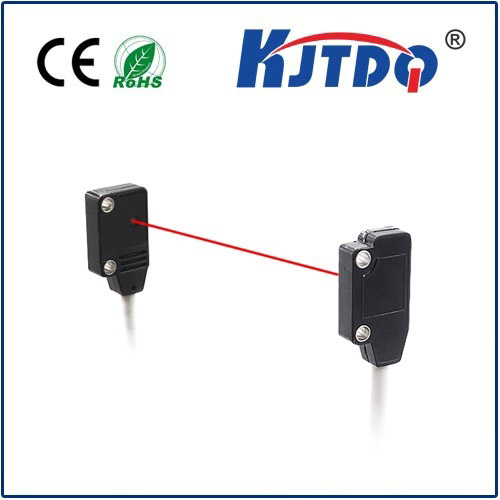
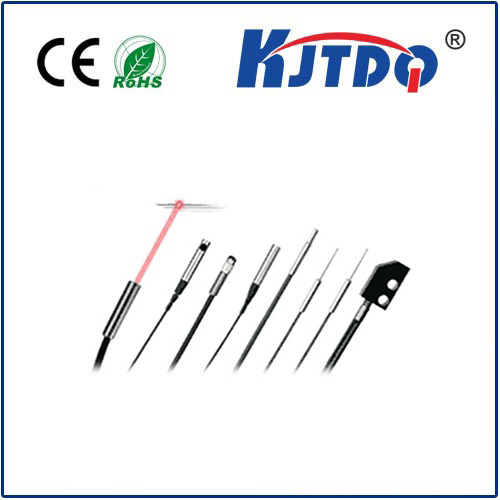
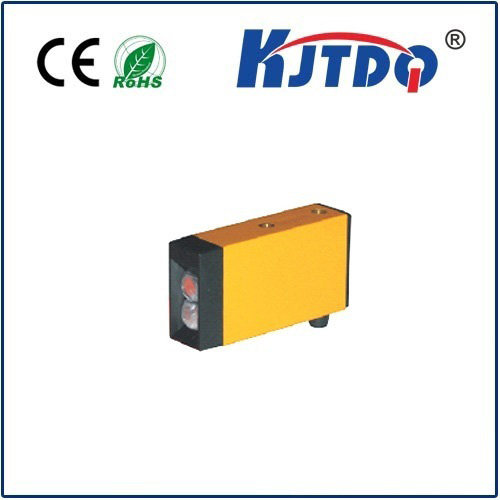
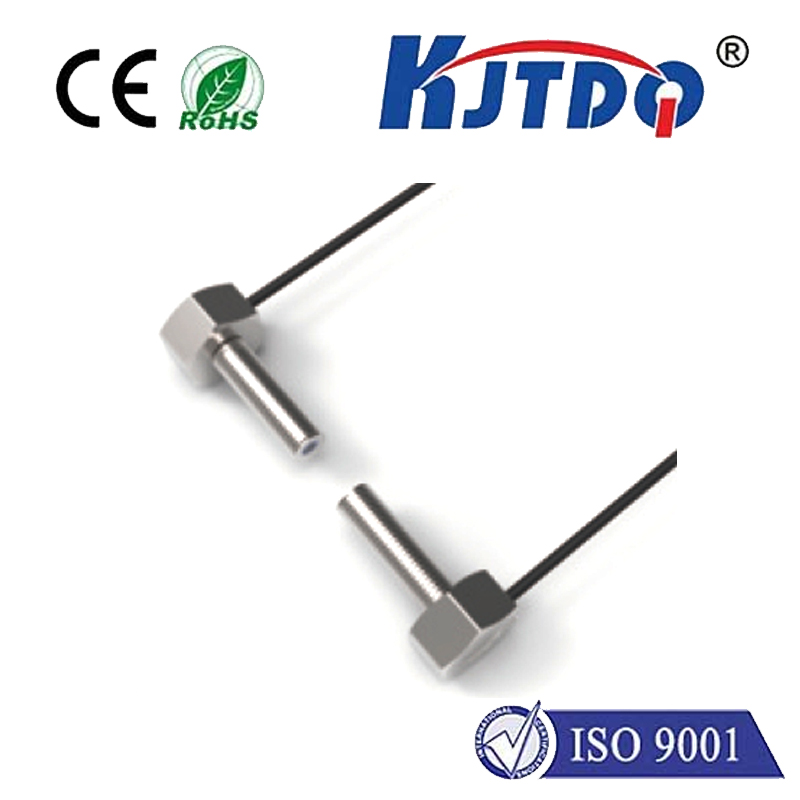
In an era where precision and efficiency define operational success, the laser distance sensor emerges as a transformative tool, redefining measurement capabilities across diverse sectors. Unlike traditional mechanical or ultrasonic methods, these sensors utilize focused laser beams to deliver unparalleled accuracy, speed, and reliability in distance calculation. The core technology involves emitting a laser pulse toward a target and measuring the time it takes for the reflection to return, a method known as time-of-flight, or by analyzing phase shifts in modulated laser light. This enables non-contact measurements with resolutions often down to sub-millimeter levels, even over substantial distances.
The applications of laser distance sensors are vast and impactful. In industrial automation, they are integral to robotics, ensuring precise positioning and assembly, while in logistics, they facilitate automated warehouse management by accurately gauging parcel dimensions and inventory levels. The construction industry relies on them for surveying, alignment, and monitoring structural deformations with minimal human intervention. Furthermore, in the realm of consumer electronics, they enhance features like autofocus in smartphones and gesture recognition in smart devices. Their ability to operate effectively in challenging environments—such as areas with dust, variable lighting, or vibrations—makes them indispensable for quality control and safety systems.
Adopting laser distance sensors translates into significant operational advantages. They drastically reduce measurement time, eliminate errors associated with manual tools, and enhance overall productivity. Their non-contact nature prevents wear and tear, ensuring longevity and consistent performance. When selecting a sensor, key considerations include measurement range, accuracy specifications, response time, and environmental durability. For instance, models with IP ratings are suited for harsh industrial settings, while compact designs benefit integrated applications. As industries increasingly embrace Industry 4.0 and IoT frameworks, these sensors serve as critical data acquisition points, enabling real-time analytics and smarter decision-making.
Looking ahead, advancements in miniaturization, cost reduction, and integration with AI-driven analytics promise to expand their utility further. Innovations may lead to even higher precision and faster sampling rates, opening doors to emerging fields like autonomous vehicles and advanced medical diagnostics. Ultimately, the laser distance sensor stands not merely as an instrument but as a cornerstone of modern technological progress, driving accuracy and innovation where it matters most. By leveraging this technology, businesses can achieve new levels of efficiency, safety, and competitiveness in an increasingly data-driven world.