Проверка
Проверка
Проверка
Проверка
Проверка
Проверка
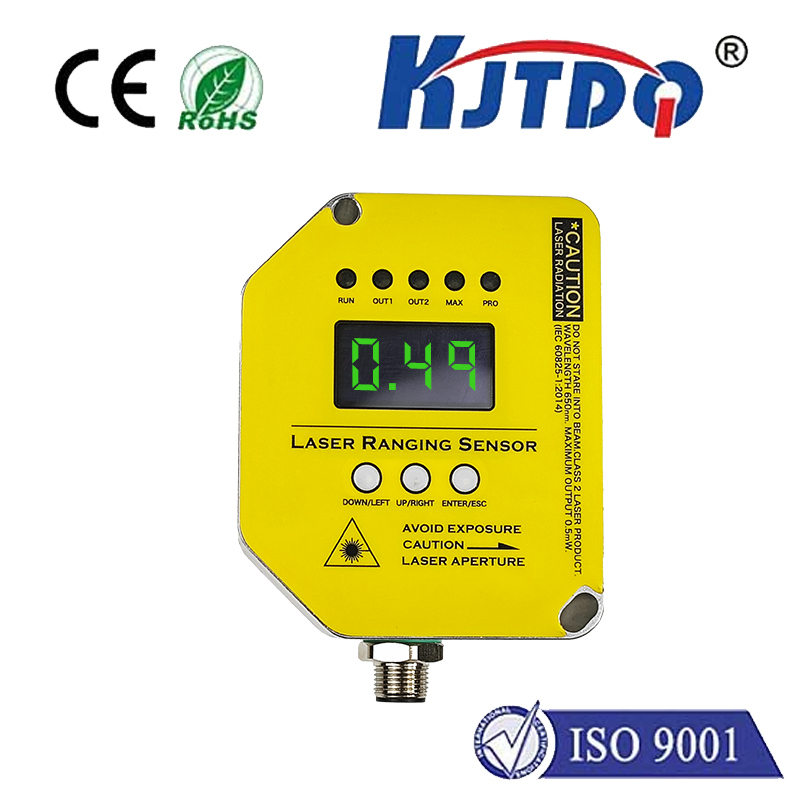
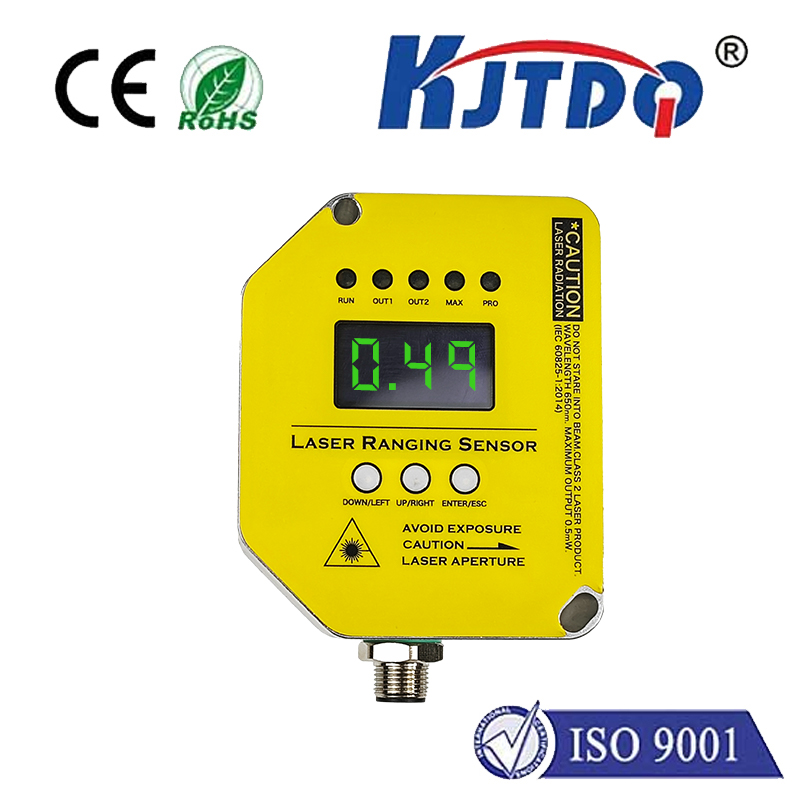
In industries where safety is not just a priority but a non-negotiable requirement, the tools and instruments used must adhere to the strictest standards. Among these critical tools, the intrinsically safe laser rangefinder sensor stands out as a pivotal innovation for distance measurement in volatile atmospheres. This specialized device is engineered to operate in environments where flammable gases, vapors, combustible dusts, or ignitable fibers may be present, such as in oil and gas refineries, chemical processing plants, mining operations, and grain handling facilities. Unlike standard laser rangefinders, an intrinsically safe (IS) design ensures that the electrical and thermal energy within the device is limited to levels below what is required to ignite a specific hazardous atmospheric mixture.
The core principle behind intrinsic safety is prevention through design. An intrinsically safe laser rangefinder sensor is meticulously crafted to eliminate the possibility of sparking or generating sufficient heat that could act as an ignition source. This is achieved through rigorous engineering controls that limit the current, voltage, and total energy stored in the circuit, even under fault conditions. Components are carefully selected and housed within robust, often sealed enclosures that prevent the ingress of hazardous substances. This fundamental design philosophy makes the device inherently safe, allowing for its use in Zone 0, 1, and 2 (for gas) or Zone 20, 21, and 22 (for dust) hazardous areas as defined by international standards like ATEX and IECEx.
The operational advantages of deploying such a sensor are substantial. First and foremost, it dramatically enhances on-site safety by removing a potential ignition hazard, thereby protecting personnel, infrastructure, and the surrounding environment. This safety-centric design does not come at the expense of performance. Modern intrinsically safe laser rangefinder sensors offer high-precision measurements with accuracies often within a few millimeters over considerable distances. They utilize time-of-flight or phase-shift laser technology to calculate distances swiftly and reliably. This precision is crucial for applications like tank level measurement, inventory management of bulk solids, structural monitoring in plant environments, and ensuring safe distances during maintenance or construction activities in classified areas.
Furthermore, these sensors contribute significantly to operational efficiency and data integrity. By enabling accurate remote measurements, they reduce the need for personnel to enter or approach potentially dangerous zones for manual gauging. This not only minimizes risk exposure but also saves time and labor costs. The data collected can be seamlessly integrated into control systems for real-time monitoring and process optimization. Durability is another key feature; these instruments are typically built to withstand harsh industrial conditions, including exposure to moisture, corrosive chemicals, and mechanical shocks, ensuring long-term reliability and a lower total cost of ownership.
When selecting an intrinsically safe laser rangefinder sensor, several factors demand careful consideration. Certification is paramount. The device must carry the appropriate certification marks (e.g., ATEX, IECEx, UL for Class I Division 1) that match the specific hazardous area classification of the intended installation site. Other critical specifications include measurement range, accuracy, laser class (typically Class 1 or Class 2, which are eye-safe under normal operating conditions), response time, and the type of output signal (e.g., 4-20mA analog, RS-485, or wireless protocols). The design of the housing, its IP (Ingress Protection) rating, and the quality of the optics also play a vital role in its suitability for challenging environments.
The integration of intrinsically safe laser rangefinder sensors represents a smart convergence of safety and technology. They are a testament to how engineering ingenuity can provide powerful measurement solutions without compromising the fundamental imperative of explosion protection. For facility managers, engineers, and safety officers, adopting these certified devices is a proactive step towards creating a safer, more efficient, and more data-driven industrial workplace. As technology advances, we can expect these sensors to become even more compact, feature-rich, and interconnected, further solidifying their role as indispensable tools for safe and precise measurement in the world's most demanding industries.