In the high-stakes world of industrial automation, where machinery operates under extreme pressures and in harsh environments, sensor reliability is not just a preference—it’s an absolute necessity. Downtime due to sensor failure can lead to catastrophic production losses and safety hazards. This is where the BES 516-300-S135-D-PU-05, also identified as BHS001F, establishes itself as a benchmark for performance and durability. This high-pressure inductive proximity sensor is engineered to deliver unwavering accuracy and resilience where other sensors falter.
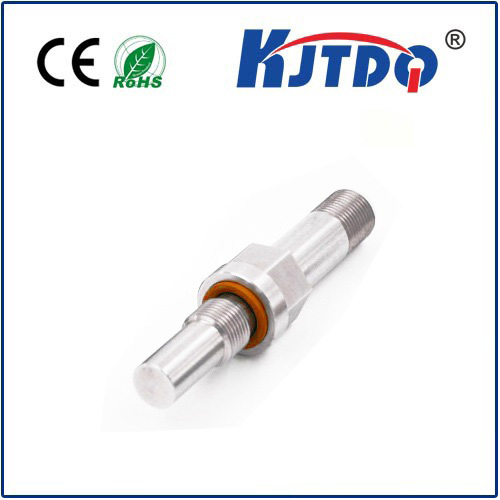
The core challenge in many heavy-duty applications, such as hydraulic systems, die-casting machines, plastic injection molding, and offshore equipment, is the combination of immense pressure and contaminant exposure. Standard sensors often succumb to seal failure, leading to ingress of oils, coolants, and particulate matter. The BES 516-300-S135-D-PU-05 is specifically designed to conquer this challenge. Its defining feature is the robust, pressure-resistant housing rated for continuous operation in environments with pressures up to 500 bar. This is achieved through a specially engineered stainless steel casing and advanced sealing technology that prevents media penetration, ensuring the internal electronics remain completely protected.
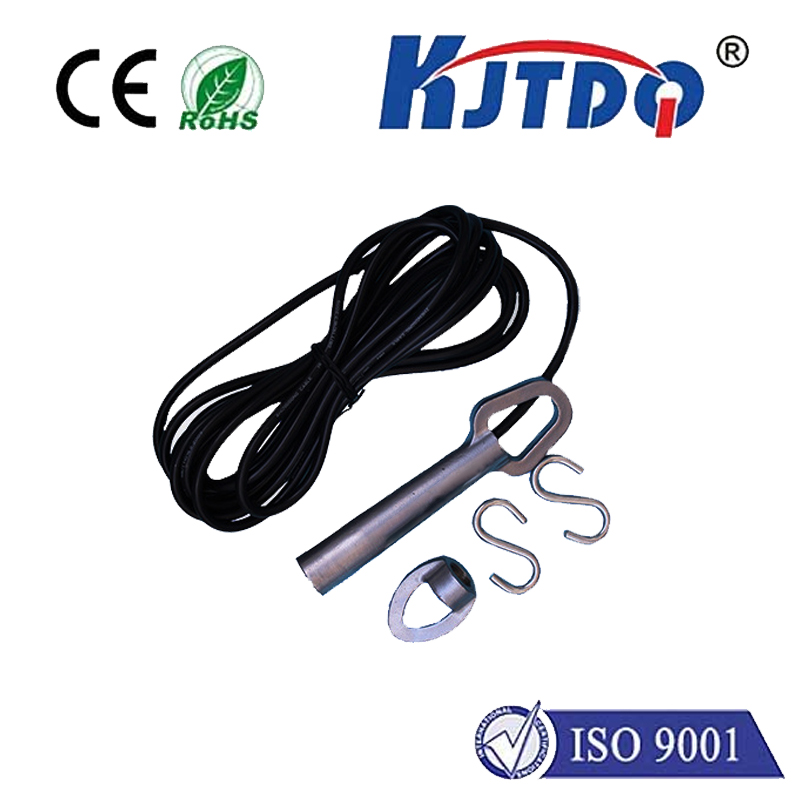
Beyond its pressure rating, the sensor's performance specifications are tailored for precision in tough conditions. With a sensing range of 3 mm and a flush-mountable design, it can detect ferrous metal targets reliably even when buried in metal mounting bases, eliminating the need for precise stand-off distances. The S135 designation indicates a 3-wire DC configuration with a PNP normally open (NO) switching function, providing a straightforward interface with most modern programmable logic controllers (PLCs). The PU-05 suffix points to its polyurethane cable, a critical component offering exceptional resistance to abrasion, oils, and mechanical stress, far exceeding the lifespan of standard PVC cables in industrial settings.
Operational stability is further guaranteed by its wide operating voltage range and high switching frequency. It maintains consistent performance despite voltage fluctuations common in industrial power supplies. The built-in protection against short-circuit, overload, and reverse polarity adds a crucial layer of defense against installation errors and electrical faults, significantly reducing maintenance interventions. Its temperature stability ensures accurate detection across a broad spectrum, from freezing cold to high-heat areas near engines or molten material processing.
The real-world applications of this sensor are a testament to its capabilities. In a hydraulic press monitoring system, it reliably detects piston position under fluctuating oil pressures exceeding 300 bar, providing critical feedback for cycle control. Within a food and beverage processing plant using high-pressure cleaning, its sealed design withstands direct jets of caustic cleaning agents and steam. For mobile machinery like excavators or agricultural equipment, its vibration resistance and rugged cable ensure it survives constant jolts and environmental exposure.
Selecting the BES 516-300-S135-D-PU-05 is an investment in operational continuity and total cost of ownership. While the initial outlay may be higher than a standard sensor, the reduction in unplanned downtime, elimination of frequent replacements, and prevention of costly process errors deliver a rapid return on investment. It transforms a potential point of failure into a pillar of reliability. For system integrators and plant engineers, specifying this sensor means building a foundation of predictability into their most critical automated processes.
Ultimately, the BES 516-300-S135-D-PU-05 (BHS001F) is more than just a component; it is a strategic asset for any operation facing high-pressure, dirty, or demanding conditions. Its design philosophy prioritizes endurance and accuracy above all, providing peace of mind and enabling industries to push the boundaries of productivity without compromising on safety or reliability. When failure is not an option, this high-pressure proximity sensor stands as the definitive choice.