In the world of industrial automation and process control, the ability to detect objects or monitor positions reliably under extreme conditions is not just a convenience—it’s a critical requirement for safety, efficiency, and productivity. This is where high-pressure proximity sensors come into play, and among the leading solutions in this niche is the BHS004L High Pressure Proximity Sensor. Engineered to perform where standard sensors fail, this device represents a significant leap in sensing technology for challenging applications.
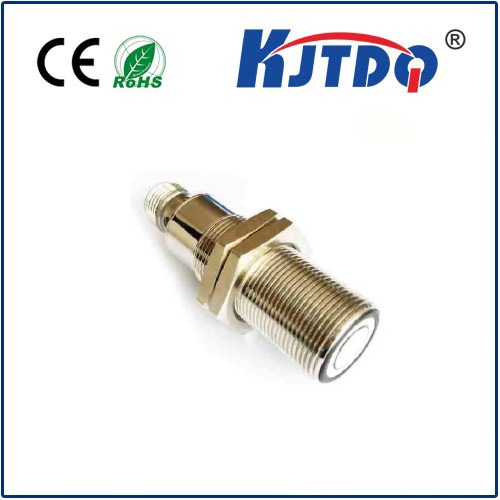
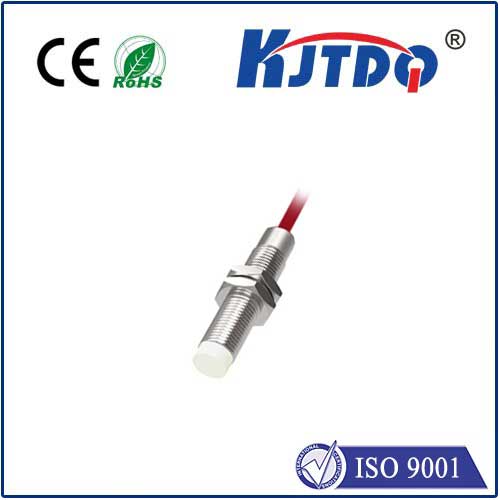
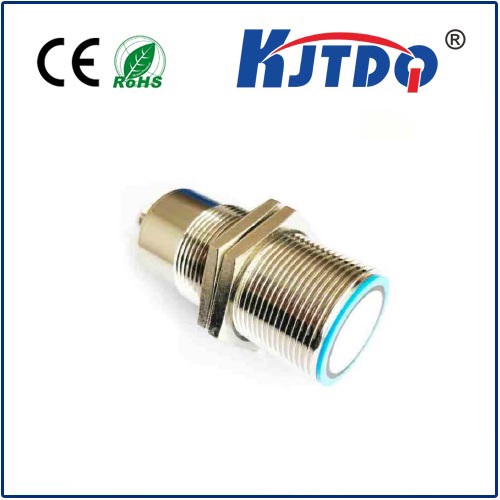
The core challenge in high-pressure environments, such as those found in hydraulic systems, die-casting machines, injection molding, offshore equipment, and high-pressure testing rigs, is the immense stress placed on components. Standard inductive or capacitive proximity sensors might succumb to housing deformation, seal failure, or signal drift when subjected to pressures exceeding hundreds of bars. The BHS004L is specifically designed to overcome these hurdles. Its robust construction typically involves a stainless steel housing, often rated for pressures up to 400 bar or more, with special high-integrity seals that prevent media ingress. This ensures the internal electronics—the sensing element and oscillator circuit—remain completely isolated and functional, providing consistent and accurate detection regardless of the external pressure fluctuations.
The operational principle of the BHS004L is based on a ruggedized inductive sensing mechanism. It generates an electromagnetic field from its active face. When a metallic target object enters this field, eddy currents are induced, causing a change in the oscillation amplitude within the sensor. This change is detected by the internal circuitry, which then triggers a solid-state switch output. What sets the BHS004L apart is its ability to maintain a stable sensing distance (its rated operating distance) even when the surrounding medium, such as hydraulic oil or compressed gas, is under extreme pressure. This stability is crucial for precise position feedback in cylinders, valve position indication, or end-of-travel detection in heavy machinery.
Key technical features that define the BHS004L's superiority include its impressive pressure rating, often highlighted in its model designation. It boasts high resistance to shock and vibration, making it suitable for dynamic industrial environments. The sensor usually offers a choice of output types (e.g., PNP, NPN, or analog) and connection styles (e.g., M12 or M8 connectors with PUR cables) for easy integration into existing control systems. Furthermore, many variants come with LED status indicators for quick diagnostics, and their design often allows for flush or non-flush mounting, providing flexibility in installation within tight spaces of hydraulic blocks or manifolds.
The application spectrum for the BHS004L is vast and critical. In mobile hydraulics for construction and agricultural machinery, it reliably monitors cylinder positions under the punishing pressure cycles of digging and lifting. Within industrial hydraulic presses and plastic injection molding machines, it ensures precise mold clamping and ejector plate positioning, directly impacting product quality and cycle times. In the energy sector, particularly in oil and gas, these sensors provide vital feedback on valve actuator positions in high-pressure pipelines and wellhead equipment, contributing to safe and controlled operations. Their use in test benches for automotive or aerospace components, where fluids are pressurized to simulate extreme conditions, is another testament to their reliability.
Selecting and implementing the BHS004L requires attention to several parameters. The required sensing distance, target material (ferrous or non-ferrous metals), pressure rating matching the maximum system pressure, and the operating temperature range must all be carefully considered. Proper installation is paramount; ensuring the sensor is correctly torqued into its port and that the wiring is protected from abrasion and electromagnetic interference will guarantee long-term performance. Regular maintenance checks for physical damage, seal integrity, and signal consistency are recommended to prevent unexpected downtime.
In conclusion, the BHS004L High Pressure Proximity Sensor is more than just a component; it is an enabling technology for automation in severe environments. Its robust design, unwavering accuracy under pressure, and versatile application potential make it an indispensable tool for engineers and system integrators. By providing a dependable digital or analog signal where few other sensors can survive, the BHS004L enhances machine safety, optimizes process control, and ultimately protects valuable capital investments. For any industry where high pressure is a constant factor, integrating a sensor of this caliber is a strategic decision towards achieving greater operational resilience and precision.