In the intricate ecosystem of modern vertical transportation, safety mechanisms operate silently yet decisively to protect passengers and equipment. Among these critical components, the elevator final limit switch stands as a paramount guardian, a definitive checkpoint that ensures an elevator car does not exceed its designated travel boundaries within the hoistway. This device is not merely an accessory but the last line of defense in a multi-layered safety system, designed to intervene when all other standard limit switches have been bypassed or have failed.
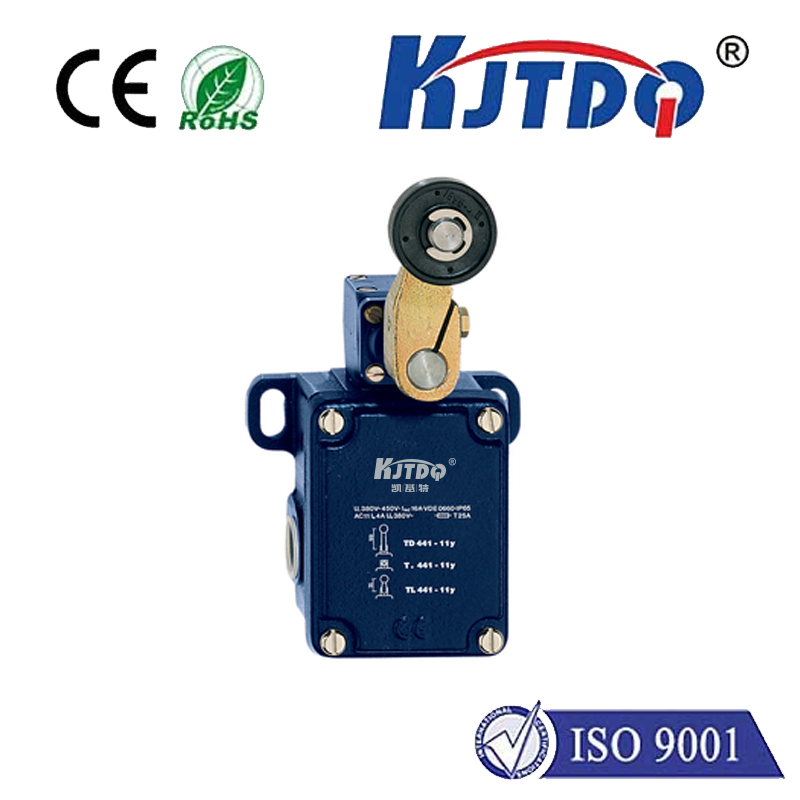
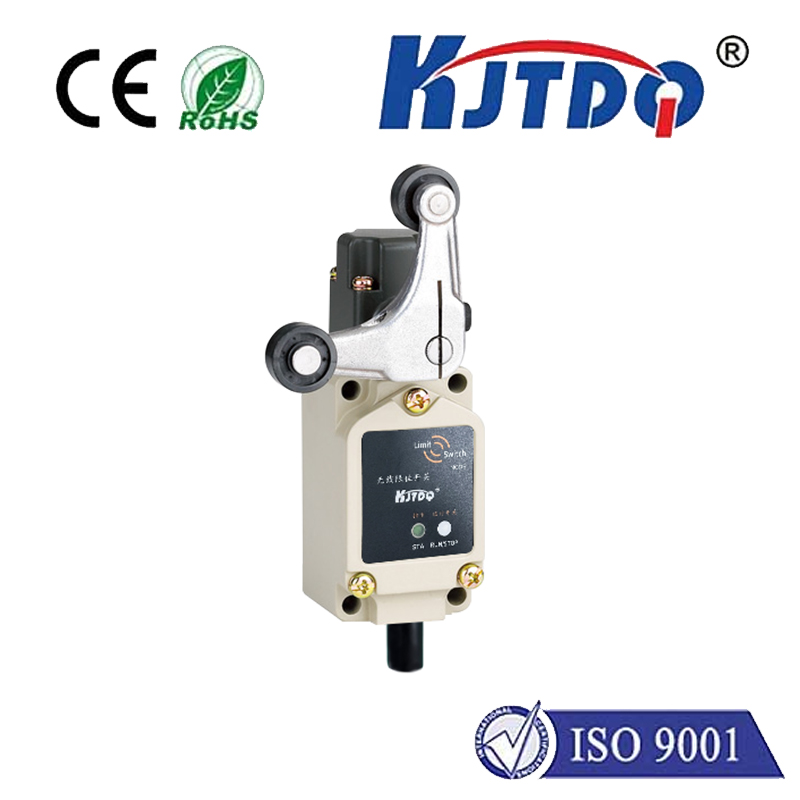
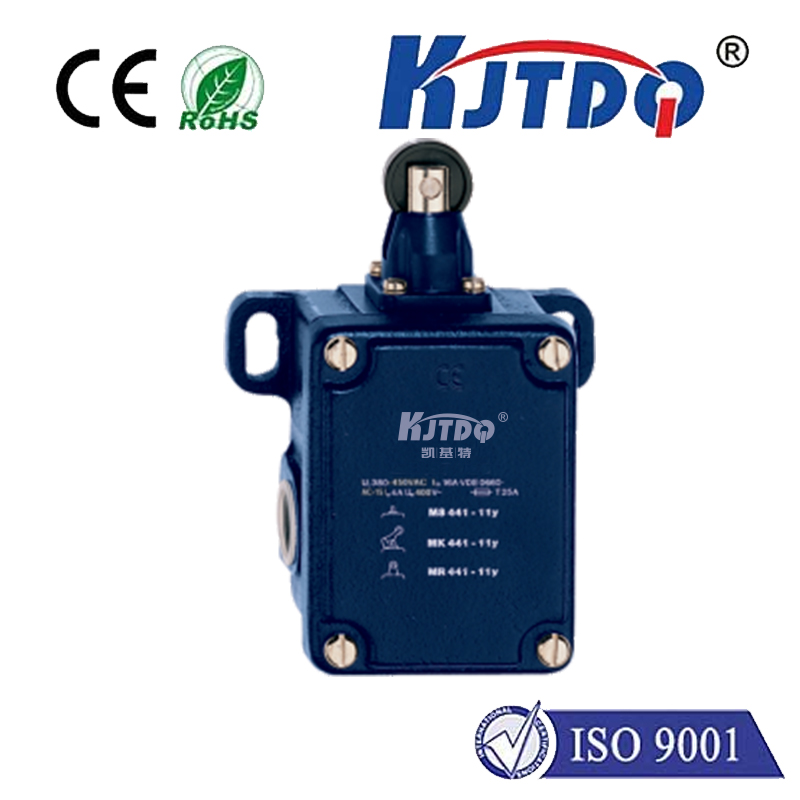
The primary function of the final limit switch is to cut off power to the elevator drive motor and apply the brake, preventing the car from over-traveling at the top or bottom of the hoistway. Such over-travel could lead to catastrophic consequences, including the car colliding with the overhead sheave or crashing into the pit buffer. Typically installed beyond the normal terminal stopping floors, these switches are actuated only in exceptional circumstances. They are engineered for absolute reliability, often employing a direct mechanical linkage or a robust electromechanical design that is physically triggered by the moving car itself, ensuring operation independent of the elevator's main control system.
Understanding its operation clarifies its importance. During normal service, an elevator relies on a series of regular limit switches and position encoders to initiate slowdowns and precise stops at each floor. The final limit switch remains dormant, untouched. However, should a malfunction—such as a control system error, brake failure, or overspeed condition—cause the car to proceed past its normal terminal, a specially mounted striker plate on the car or counterweight will engage the final limit switch. This engagement immediately initiates a safety circuit interruption, halting all motion. In many jurisdictions and under codes like ASME A17.1/CSA B44, this action must be "positive" and "mechanical," meaning it requires a physical force to reset, thereby preventing an automatic restart and ensuring a technician investigates the cause.
The design and placement of these switches are governed by stringent international safety standards. They must be positioned so that they activate before the car's fully compressed buffer strike distance, allowing the buffers to absorb the residual energy if needed. Regular inspection and testing are mandatory. Maintenance protocols require technicians to simulate over-travel conditions during scheduled checks to verify the switch's operational readiness and the integrity of its associated wiring and contacts. Failure of this switch during a test necessitates immediate elevator shutdown until repairs are made.
For building owners, facility managers, and elevator contractors, prioritizing the health of the final limit switch is non-negotiable. It represents a core compliance item and a fundamental ethical responsibility towards occupant safety. Modernizations of older elevator systems often include an upgrade of these final safety devices to current standards, integrating them with newer solid-state monitoring systems for enhanced diagnostics while retaining their fail-safe mechanical principle.
In conclusion, the elevator final limit switch embodies the principle of "safety through redundancy." While hidden from public view and hopefully never activated in daily use, its presence is what allows millions of elevator rides to occur with unwavering confidence. It is a silent sentinel, a meticulously engineered component that underscores the elevator industry's unwavering commitment to preventing accidents and safeguarding human life, making it an indispensable element in the reliable operation of any elevator system.