Проверка
Проверка
Проверка
Проверка
Проверка
Проверка
In the relentless world of industrial automation, where machinery operates under extreme pressures and within tight tolerances, the reliability of every component is non-negotiable. Sensor failure in a high-pressure environment isn't just an inconvenience; it can lead to catastrophic downtime, safety hazards, and significant financial loss. This is where specialized components like the CBN15-18GS75-E2 High Pressure Proximity Sensor prove their indispensable worth. Engineered to perform where standard sensors falter, this device represents a pinnacle of durability and precision for critical applications.
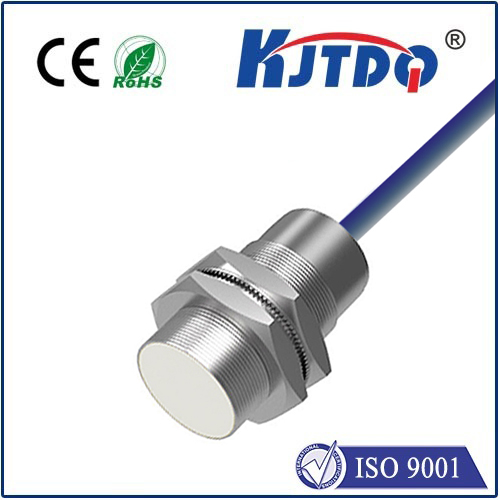
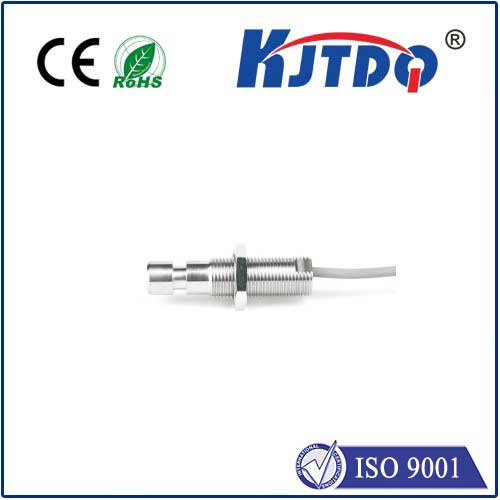
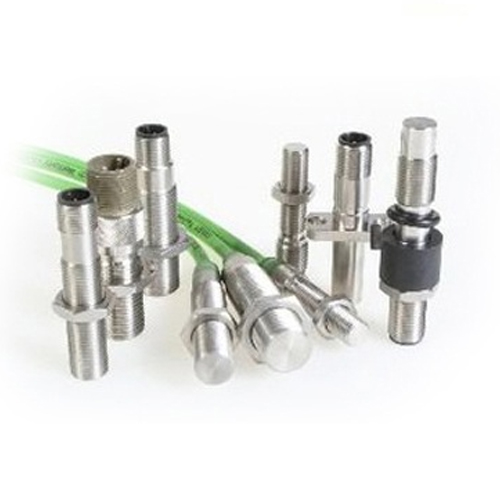
The core challenge in high-pressure environments, such as those found in hydraulic systems, die-casting machines, injection molding, and heavy-duty press lines, is the immense physical force exerted on equipment. Standard inductive proximity sensors can have their housing deformed, their sensing face damaged, or their internal electronics compromised by sustained or peak pressure. The CBN15-18GS75-E2 is specifically constructed to withstand these forces. Its defining feature is a housing and sensing face built from high-grade, reinforced stainless steel, capable of resisting the mechanical stresses that would cripple lesser models. This robust construction ensures not only longevity but also consistent performance, providing accurate detection of metallic targets even when submerged in hydraulic fluid or exposed to constant shock and vibration.
Beyond mere brute strength, the sensor incorporates sophisticated engineering for seamless integration. The "GS75" designation often relates to a particular electrical configuration and housing style, typically featuring an M18 threaded barrel, a common and versatile form factor in industrial settings. This allows for easy replacement or upgrade from existing sensor setups. The "E2" suffix frequently indicates specific performance characteristics, such as a shielded (flush-mountable) design. This is a crucial feature, as it allows the sensor to be installed flush with a metal surface without its sensing field being interfered with by that surrounding metal. In cramped machine designs where space is at a premium, this flush-mounting capability is essential.
Electrical reliability is another cornerstone of its design. The sensor provides a stable, clean switching signal—whether in Normally Open (NO) or Normally Closed (NC) configuration—to the programmable logic controller (PLC). This signal integrity is vital for maintaining precise control loops in automation sequences. A false signal due to pressure-induced malfunction can trigger an incorrect machine cycle, potentially damaging expensive molds or products. The CBN15-18GS75-E2’s design minimizes this risk, offering a high degree of immunity to electromagnetic interference (EMI) commonly present in industrial plants filled with motors and drives.
Operational benefits translate directly into tangible business outcomes. The primary advantage is dramatically reduced unplanned downtime. By deploying a sensor built for the challenge, maintenance intervals are extended, and the frequency of sensor-related failures plummets. This leads to higher overall equipment effectiveness (OEE) and greater production throughput. Secondly, it enhances safety. Reliable detection in high-pressure systems ensures that machine cycles only proceed when components are correctly positioned, protecting both equipment and personnel. Finally, it lowers the total cost of ownership. While the initial investment may be higher than a standard sensor, the avoidance of production stoppages, the reduction in spare part inventories, and the decreased maintenance labor costs deliver a compelling return on investment over the sensor's extended lifespan.
Implementing the CBN15-18GS75-E2 requires attention to detail. Technicians must ensure proper installation torque to achieve the rated pressure resistance without damaging the threads. Correct wiring according to the datasheet—paying close attention to the voltage (e.g., 10-30V DC) and output type (e.g., PNP or NPN)—is fundamental. For optimal performance in challenging conditions, pairing the sensor with a high-quality, shielded cable and secure connectors is recommended to protect the electrical signal along its entire path.
In conclusion, selecting sensors for high-pressure applications is a decision that impacts the entire production line's reliability and profitability. The CBN15-18GS75-E2 High Pressure Proximity Sensor is not just another component; it is a dedicated solution engineered for resilience. It provides the assurance of accurate, fail-safe detection where it matters most, ensuring that industrial processes run smoothly, safely, and efficiently. For engineers and plant managers seeking to eliminate a common point of failure in demanding environments, this sensor stands as a robust and intelligent choice, safeguarding productivity and protecting capital investment.