Проверка
Проверка
Проверка
Проверка
Проверка
Проверка
In the demanding world of industrial automation, precision and reliability are non-negotiable. The E3FA-TP12 (-L+-D) photoelectric switch emerges as a cornerstone component, engineered to deliver unwavering performance in diverse and challenging environments. This through-beam sensor represents a significant leap in detection technology, offering a robust solution for applications where accuracy is paramount.
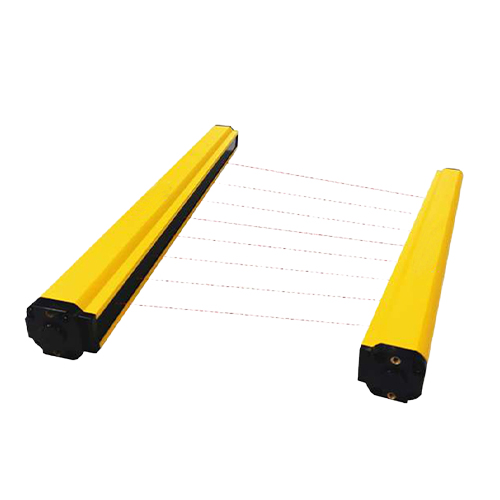
The core principle of the E3FA-TP12 (-L+-D) is elegantly simple yet profoundly effective. It operates as a through-beam type sensor, consisting of two separate units: a transmitter (labeled -L) and a receiver (labeled -D). The transmitter emits a focused beam of light, typically infrared or red visible light, which is then captured by the opposing receiver. When an object passes between these two units, it interrupts this light beam. The receiver detects this interruption and triggers a switching signal. This fundamental method provides exceptional sensing reliability over long distances and is remarkably immune to environmental factors like object color, reflectivity, or surface texture. The detection is based solely on the physical interruption of the beam, ensuring consistent operation whether detecting clear glass, dark metal, or fast-moving items on a conveyor line.
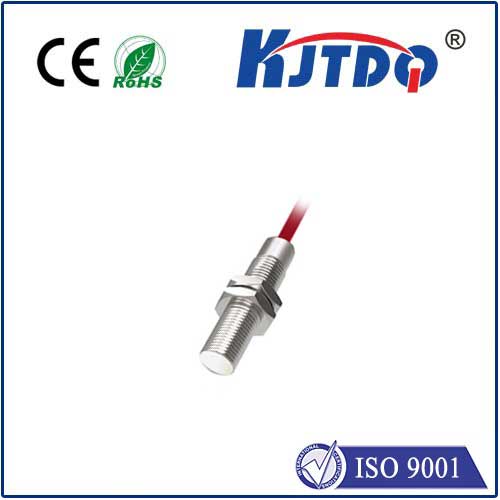
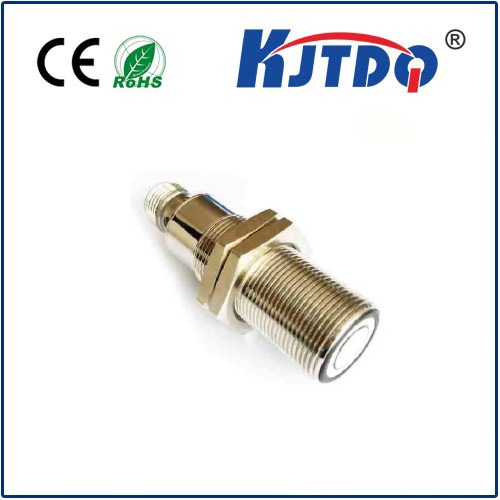
Engineered for resilience, the E3FA-TP12 is built with a durable, threaded cylindrical metal housing that offers an IP67 protection rating. This rating signifies complete protection against dust ingress and the ability to withstand temporary immersion in water. This makes it an ideal choice for harsh settings such as food and beverage processing, packaging machinery, automotive assembly lines, and outdoor material handling systems where exposure to washdowns, dust, oil, and vibrations is common. Its robust construction ensures long-term operational stability, minimizing downtime and maintenance costs.
A key feature of this model is its focused, precise sensing capability. The through-beam design allows for a very narrow, concentrated beam. This enables precise detection of small objects and provides excellent background suppression. It can reliably detect an object at the specified sensing distance while effectively ignoring objects or reflective surfaces in the background, a common challenge in crowded machinery. This precision prevents false triggers and ensures that the automation process proceeds exactly as programmed, enhancing overall system efficiency and product quality.
Installation and integration are streamlined for efficiency. The separate transmitter and receiver units are easy to align during setup. Many variants feature a visible red beam or a stable alignment indicator, simplifying the initial commissioning and periodic verification. The device typically provides both NPN (sinking) and PNP (sourcing) output configurations, offering compatibility with a vast array of programmable logic controllers (PLCs), frequency inverters, and other control systems from different manufacturers. This flexibility accelerates integration into new or existing automation frameworks without requiring additional interface modules.
The operational benefits translate directly into tangible value for operations managers and plant engineers. By providing fail-safe, high-speed detection, the E3FA-TP12 (-L+-D) enhances production line throughput and reduces waste caused by detection errors. Its reliability under adverse conditions lowers the total cost of ownership by extending service intervals and reducing unexpected failures. In applications like counting, positioning, and safety interlocking, its performance is critical for maintaining seamless, automated workflows.
Selecting the correct sensor is vital for optimal performance. The E3FA-TP12 is particularly suited for applications requiring long-range detection (often up to several meters, depending on the specific variant), detection of opaque or transparent objects, and operation in environments with airborne contaminants. When planning an installation, factors such as the required sensing distance, object size, environmental hazards, and electrical interface should be carefully considered to ensure the sensor meets all application demands.
In conclusion, the E3FA-TP12 (-L+-D) photoelectric switch stands as a testament to practical, reliable sensing technology. Its through-beam operation, ruggedized design, and precise detection capabilities make it an indispensable tool for modern industrial automation. By ensuring accurate object detection in the most demanding scenarios, it supports the creation of smarter, more efficient, and more resilient manufacturing and logistics operations, driving productivity and quality to new heights.