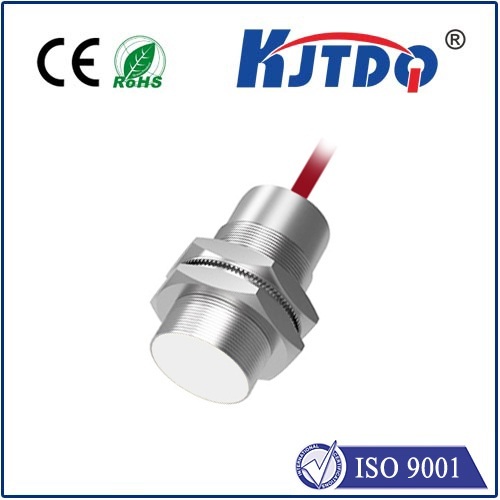
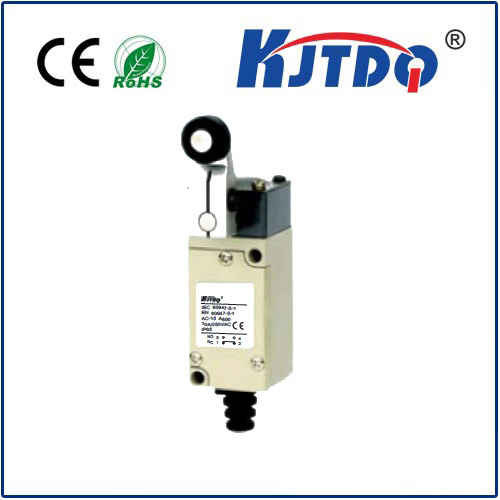
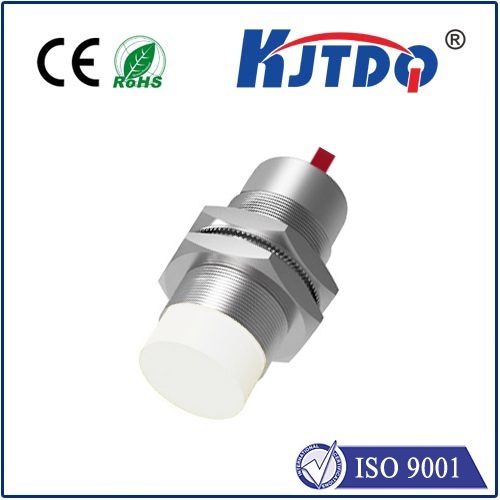
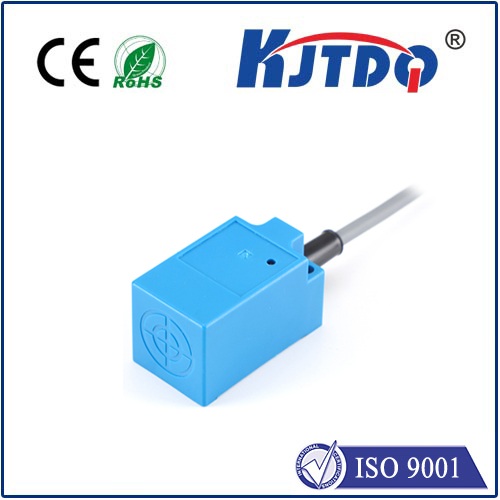
In today's rapidly evolving industrial landscape, the demand for precise, reliable, and efficient sensing technology has never been greater. Among the various solutions available, photoelectric proximity sensors have emerged as a cornerstone for automation and control systems. These devices, which utilize light beams to detect the presence, absence, or distance of objects without physical contact, offer significant advantages over traditional mechanical or ultrasonic sensors. The KJTDQ series of photoelectric proximity sensors, in particular, represents a leap forward in this field, combining cutting-edge optics with robust engineering to meet the rigorous demands of modern applications.
Photoelectric proximity sensors operate on a simple yet effective principle: they emit a beam of light—often infrared, visible, or laser—and measure the reflection or interruption to determine object proximity. The KJTDQ models enhance this basic functionality with advanced features such as adjustable sensing ranges, high-speed response times, and immunity to environmental interference like dust, moisture, or ambient light. This makes them ideal for diverse settings, from manufacturing floors and packaging lines to automotive assembly and logistics hubs. For instance, in conveyor belt systems, KJTDQ sensors can accurately detect product positions, triggering sorting mechanisms or halting operations to prevent jams, thereby boosting productivity and reducing downtime.
One of the key strengths of KJTDQ photoelectric proximity sensors lies in their versatility. They are available in multiple configurations, including through-beam, retro-reflective, and diffuse-reflective types, each suited to specific scenarios. Through-beam sensors, with separate emitter and receiver units, excel in long-range detection up to several meters, ensuring reliable performance in large-scale installations. Retro-reflective models use a reflector to bounce light back, offering a balanced solution for mid-range applications. Diffuse-reflective sensors, which rely on light reflected directly from the target object, are perfect for close-range tasks where space is limited. This adaptability allows industries to tailor sensor setups to their unique needs, optimizing efficiency and cost-effectiveness.
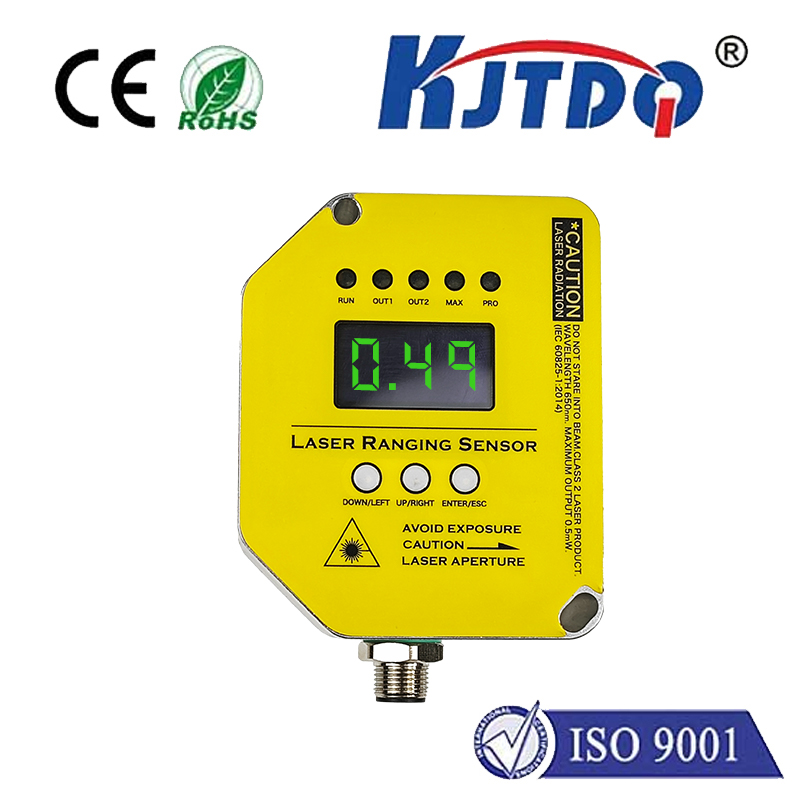
Moreover, the integration of smart technology into KJTDQ sensors has opened new avenues for Industry 4.0. Many models now feature digital outputs, programmable settings, and connectivity options like IO-Link or Ethernet, enabling seamless data exchange with central control systems. This facilitates real-time monitoring, predictive maintenance, and data-driven decision-making. For example, in smart warehouses, these sensors can track inventory movement, alerting managers to low stock levels or potential bottlenecks. Their low power consumption and durable construction further enhance sustainability, aligning with global trends toward energy-efficient and eco-friendly industrial practices.
Despite their advanced capabilities, KJTDQ photoelectric proximity sensors are designed for ease of use. Installation is straightforward, with mounting brackets and clear indicators simplifying setup. Maintenance requirements are minimal, thanks to solid-state components that resist wear and tear. However, users should consider factors like target material, color, and surface texture, as these can affect light absorption and reflection. For optimal performance, regular calibration and cleaning of lenses are recommended, especially in harsh environments.
In conclusion, the evolution of photoelectric proximity sensors, exemplified by the KJTDQ series, is transforming industrial automation. By offering precision, durability, and connectivity, they empower businesses to streamline operations, enhance safety, and drive innovation. As technology continues to advance, these sensors will likely play an even more pivotal role in shaping the factories and supply chains of the future. For industries seeking to stay competitive, investing in high-quality photoelectric sensing solutions is not just an option—it's a necessity.