Проверка
Проверка
Проверка
Проверка
Проверка
Проверка
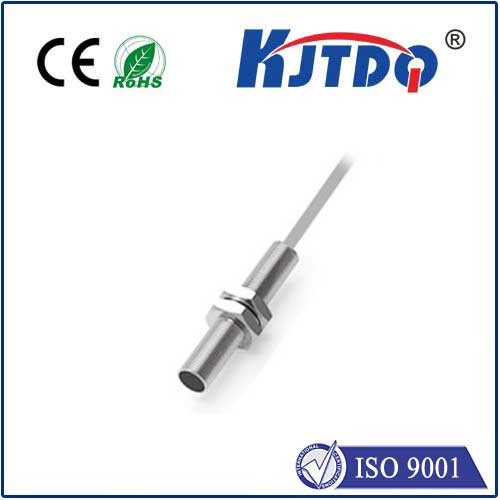
In the complex world of industrial automation, achieving flawless object detection is not just a goal; it's a fundamental requirement for efficiency, safety, and productivity. The challenge of reliably sensing objects in diverse, often harsh environments has long been a hurdle for engineers and system designers. Traditional mechanical switches wear out, and inconsistent detection leads to costly downtime and errors. This is where advanced photoelectric sensing technology makes a decisive difference, and the RL31-54/25/73c/136 photoelectric switch stands as a prime example of this evolution.
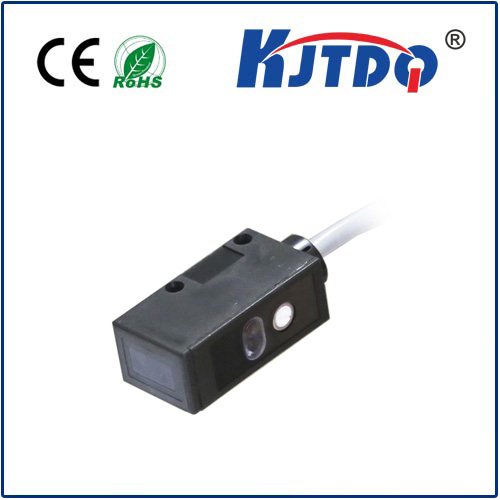
The RL31-54/25/73c/136 is engineered for professionals who demand uncompromising performance. This device is a through-beam photoelectric sensor, a design known for its exceptional reliability and long sensing range. The "through-beam" principle involves a separate transmitter and receiver unit. The transmitter emits a focused beam of light, which is then received by the opposing unit. An object is detected when it interrupts this beam. This method provides the highest level of detection accuracy and stability, immune to factors like object color, reflectivity, or surface finish that can plague other sensor types. The specified model, with its 73c connector and 136-coded housing, is built to a specific industrial standard, ensuring compatibility and robustness.
What truly sets this photoelectric switch apart are its technical specifications tailored for demanding applications. The "25" in its designation typically refers to a sensing distance, in this case, 25 meters. This extended range allows for flexible installation in large-scale setups, such as warehouse conveyor systems, automated storage and retrieval systems, or long assembly lines. The ability to detect objects from a significant distance provides system designers with greater layout freedom and early-warning capabilities. The housing is designed to meet stringent protection ratings, effectively resisting dust, moisture, and mechanical impact, guaranteeing consistent operation in environments from clean rooms to outdoor logistical hubs.
The integration of the RL31-54/25/73c/136 into an automation system translates into tangible operational benefits. Its high-speed response time ensures that even rapidly moving items on high-speed production lines are detected without fail, preventing jams and ensuring precise timing for subsequent processes like sorting, counting, or packaging. The reliability of through-beam sensing drastically reduces false triggers and missed detections, which are primary causes of unplanned production stoppages. This reliability directly enhances Overall Equipment Effectiveness (OEE) by maximizing uptime and output quality. Furthermore, its rugged construction minimizes maintenance needs, leading to lower total cost of ownership over its extended service life.
Practical application scenarios for this sensor are vast. In the packaging industry, it ensures precise carton presence detection before sealing or labeling. In the automotive sector, it can be used to verify the position of components on a moving assembly line or to secure perimeter access on robotic cells. In material handling, it is indispensable for controlling the flow of goods on conveyors, detecting overhangs, and ensuring proper spacing between pallets. Its long-range capability makes it ideal for monitoring large door openings, vehicle presence in loading bays, or even as a safety curtain for large machinery.
Selecting and implementing the correct sensor is crucial. When considering the RL31-54/25/73c/136, key factors include the required sensing distance, the size of the target objects, the ambient environmental conditions (light, temperature, contaminants), and the required output signal type for the control system. Proper alignment of the transmitter and receiver is critical for through-beam models; mounting brackets and laser alignment tools are often used to achieve perfect optical alignment. Regular maintenance, though minimal, should include lens cleaning to prevent dust buildup from attenuating the light beam.
The transition from mechanical to advanced photoelectric sensing represents a significant leap in industrial control. The RL31-54/25/73c/136 photoelectric switch embodies this progress, offering a blend of long-range, high-precision, and rugged durability. It moves beyond being a simple component to becoming a strategic asset for building resilient and efficient automated systems. For operations where detection accuracy is non-negotiable, this sensor provides a dependable and proven solution, forming the invisible yet critical backbone of modern industrial intelligence and workflow integrity.