In the world of industrial automation, precision, reliability, and simplicity are paramount. Among the myriad of components that keep modern machinery running smoothly, the two-wire proximity switch sensor stands out as a fundamental yet powerful element. This guide delves into the intricacies of this essential device, exploring its functionality, advantages, applications, and key considerations for optimal implementation.
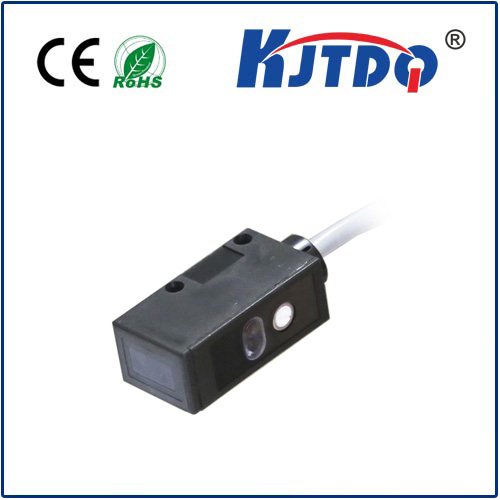
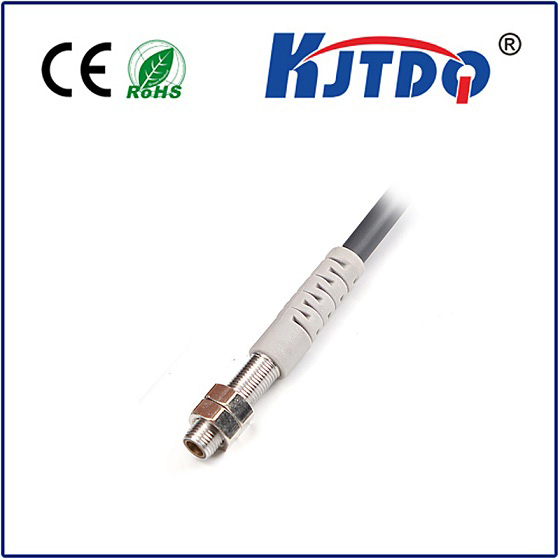
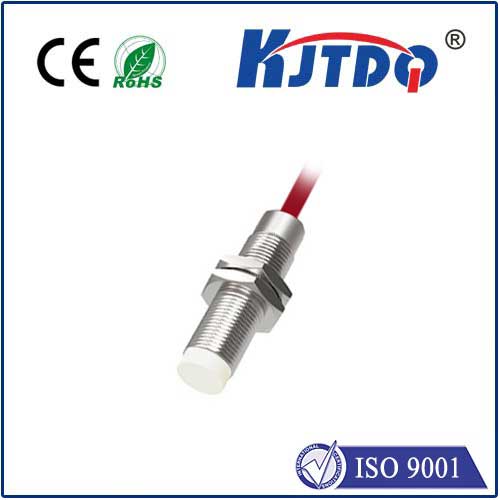
A proximity switch sensor, in its essence, is a non-contact sensing device that detects the presence or absence of an object within its sensing range. Unlike mechanical limit switches, it operates without physical contact, thereby eliminating wear and tear and ensuring a longer operational lifespan. The "two-wire" designation refers to its simplified wiring configuration. These sensors require only two wires for connection: one for power supply and the other for the load. This contrasts with three-wire or four-wire sensors that have separate wires for power, ground, and signal output. The two-wire design integrates the switching element directly into the power line, making installation notably straightforward and cost-effective.
The core technology behind most two-wire proximity sensors is based on electromagnetic principles. Inductive sensors, the most common type for metallic object detection, generate an oscillating electromagnetic field. When a metallic target enters this field, it induces eddy currents within the target, which dampens the oscillation. The sensor's internal circuitry detects this change and triggers a switching action—either opening or closing the circuit to control an attached device like a PLC (Programmable Logic Controller), relay, or indicator lamp. This entire process happens instantaneously and with high repeatability.
The benefits of opting for a two-wire proximity sensor are substantial. First and foremost is installation ease. With only two wires to connect, wiring errors are minimized, saving significant time during setup and maintenance. This simplicity also translates to reduced space requirements in control cabinets and conduit. Secondly, they offer enhanced durability. The absence of moving parts and the sealed, robust housing typical of industrial-grade models make them resistant to vibration, dust, moisture, and harsh chemicals. Furthermore, their non-contact nature ensures no mechanical stress on either the sensor or the target object, leading to virtually maintenance-free operation.
These sensors find applications across a vast spectrum of industries. In automotive manufacturing, they are used for part presence verification on assembly lines, counting components, and detecting end positions of actuators. In packaging machinery, they monitor product flow, control filling levels, and ensure proper positioning of materials. Within material handling systems, such as conveyor belts, they provide precise object detection for sorting and routing operations. Their versatility also extends to machine tools for tool positioning and in automated storage and retrieval systems for pallet detection.
When selecting a two-wire proximity sensor for a specific task, several critical factors must be evaluated. Sensing range is primary; it must be appropriate for the application to avoid false triggers or missed detections. The housing material and IP (Ingress Protection) rating are crucial for environmental compatibility—stainless steel housings with high IP ratings are essential for washdown or outdoor applications. The electrical specifications, such as operating voltage range and current capacity, must match the control system's requirements. Additionally, considering the output type (normally open or normally closed) and the target material (for inductive sensors, typically ferrous or non-ferrous metals) is vital for correct integration.
For optimal performance, proper installation is key. The sensor should be mounted securely to minimize vibration. It is important to maintain the specified sensing distance and account for any temperature variations that might affect performance. For inductive sensors, ensuring that only the intended metal target influences the sensing field is critical; nearby metal structures or other sensors can cause interference and require adequate spacing. Regular functional checks, though infrequently needed, help sustain long-term reliability.
In conclusion, the two-wire proximity switch sensor is a cornerstone of efficient and reliable industrial automation. Its blend of simplicity, ruggedness, and precise non-contact detection makes it an indispensable tool for engineers and technicians. By understanding its operating principles and carefully matching its specifications to the application's demands, businesses can achieve smoother operations, reduced downtime, and lower maintenance costs, driving productivity and quality in an increasingly automated world.