Проверка
Проверка
Проверка
Проверка
Проверка
Проверка
In the world of industrial automation, precision and reliability are non-negotiable. The RL36-3023PH photoelectric switch stands as a testament to this principle, offering a robust solution for countless sensing applications. This comprehensive guide delves into the features, benefits, and practical uses of this versatile component, explaining why it has become a preferred choice for engineers and system integrators globally.
At its core, the RL36-3023PH is a cylindrical, self-contained photoelectric sensor. The "PH" designation typically indicates a polarized retro-reflective type. This specific operating mode is a key to its performance. Unlike standard retro-reflective sensors that can be fooled by shiny surfaces, the RL36-3023PH uses a polarizing filter. This filter allows it to reliably detect objects regardless of their surface finish—be it matte, glossy, or metallic—by only recognizing light reflected from a specific corner-cube reflector. This eliminates false triggers and ensures stable detection, a critical factor in maintaining uninterrupted production lines.
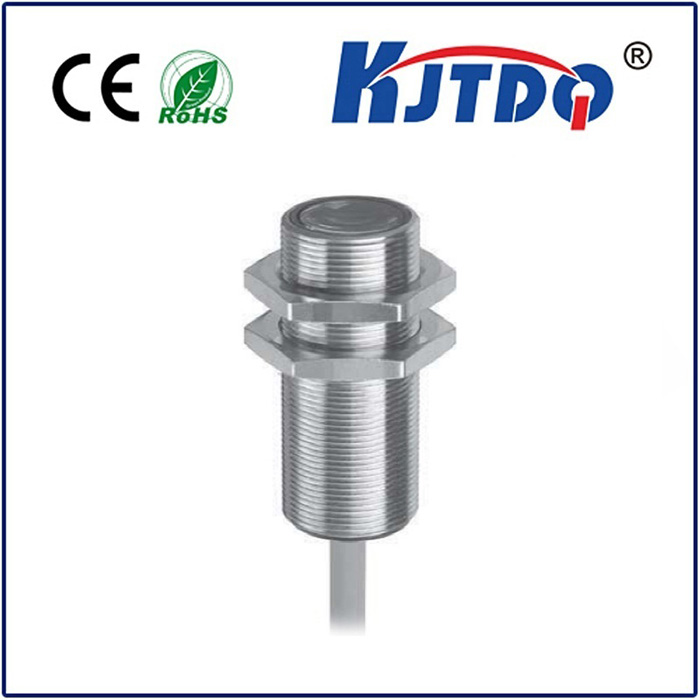
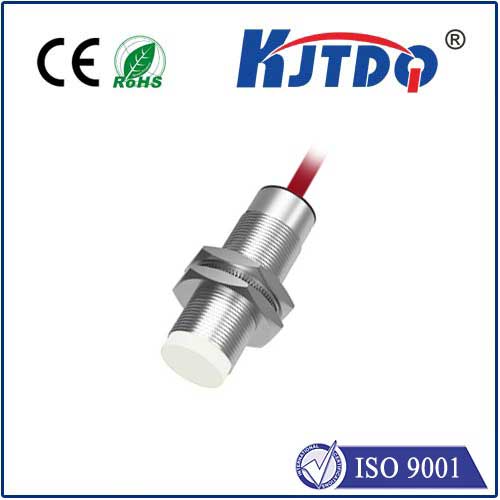
The RL36-3023PH is housed in a rugged M18 threaded metal barrel, providing excellent resistance to physical impact and environmental stressors. Its construction is designed for durability in harsh industrial settings, including areas with dust, moisture, and vibration. The sensor typically operates on a wide range DC voltage, commonly 10-30V DC, making it compatible with standard industrial control systems. The output is usually in the form of an NPN or PNP transistor switch (specifications must be verified with the manufacturer's datasheet), providing a clean, solid-state signal to your PLC or controller.
One of the most significant advantages of the RL36-3023PH is its long sensing range. Polarized retro-reflective models can often detect objects at distances exceeding several meters, far greater than diffuse or through-beam models of similar size. This allows for flexible installation in large machines or across wide conveyors. Setup is straightforward, aided by a clear visible red LED beam for alignment and a stable status LED indicating power and output state. This user-friendly design minimizes commissioning time and reduces errors during installation.
So, where is the RL36-3023PH photoelectric switch most effectively deployed? Its applications are vast. In packaging machinery, it accurately detects the presence of boxes or products on a conveyor, triggering the next action in the sequence. In material handling, it serves as a safety interlock to confirm the position of gates or pallets. Within automated storage and retrieval systems (AS/RS), it verifies the presence of totes or bins. Its immunity to problematic surfaces makes it ideal for the automotive industry, where it can reliably sense painted car bodies or reflective components without adjustment. Furthermore, it is extensively used in food and beverage processing, electronics assembly, and pharmaceutical production lines.
When selecting a sensor like the RL36-3023PH, several practical considerations come into play. First, always confirm the exact electrical specifications (voltage, output type, current rating) to ensure compatibility with your existing system. Second, consider the environmental conditions. While robust, verifying its IP (Ingress Protection) rating, such as IP67, ensures it is suitable for washdown areas or outdoor use if needed. Third, factor in the required sensing distance and the size of the target objects. While the range is long, very small or low-reflectivity targets may require careful positioning. Finally, ensure you use the correct, manufacturer-recommended reflector for optimal performance.
Maintenance of the RL36-3023PH is generally minimal, contributing to its low total cost of ownership. The primary tasks involve periodic cleaning of the lens and the reflector to prevent buildup of dust, grease, or debris that could attenuate the light beam. Regularly checking the mounting hardware for tightness is also advised, especially in high-vibration environments. Its solid-state design means there are no moving parts to wear out, leading to a long operational lifespan.
In conclusion, the RL36-3023PH polarized retro-reflective photoelectric switch represents a perfect blend of sophisticated technology and practical, rugged design. Its ability to provide consistent, long-range detection across diverse materials and in challenging conditions makes it an indispensable tool for modern industrial automation. By offering reliable performance that minimizes downtime and maximizes efficiency, this sensor directly contributes to smoother operations and enhanced productivity. For engineers seeking a dependable sensing solution, understanding and utilizing the capabilities of the RL36-3023PH is a step toward building more resilient and intelligent automated systems.