Проверка
Проверка
Проверка
Проверка
Проверка
Проверка
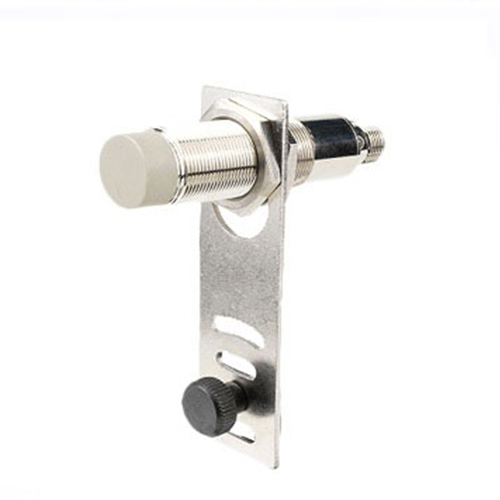
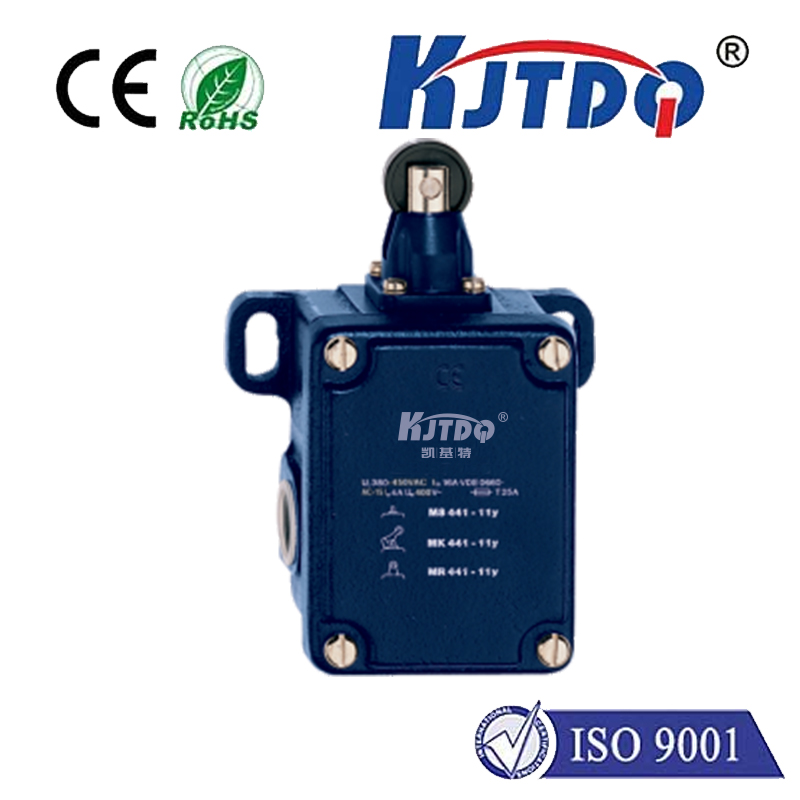
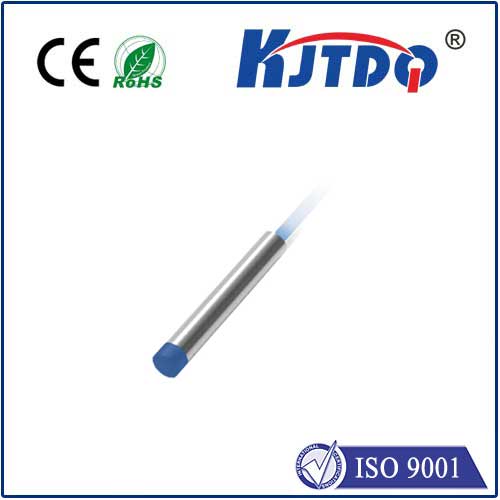
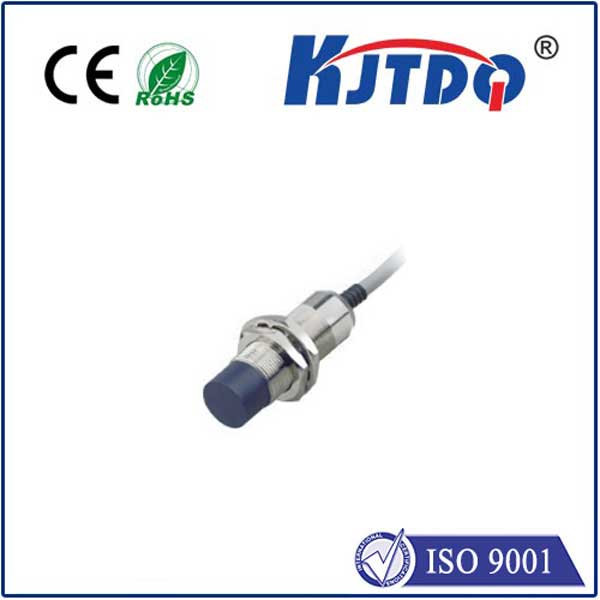
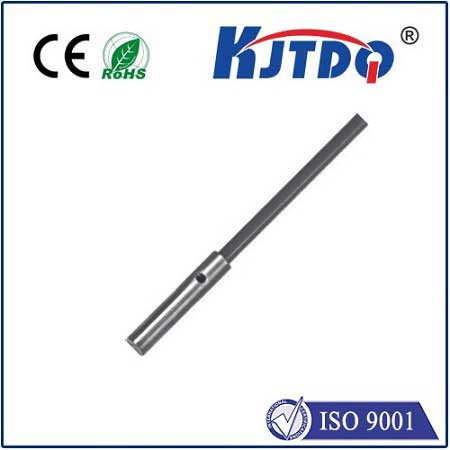
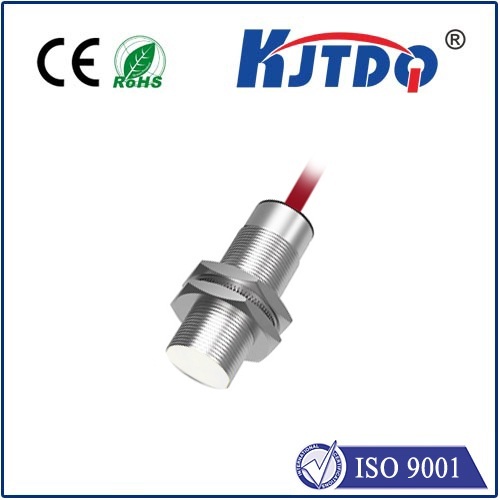
In the realm of industrial automation, where precision and reliability are non-negotiable, the proximity limit switch stands as a fundamental component. These devices, often unsung heroes on the factory floor, play a critical role in controlling machinery, ensuring safety, and optimizing processes. Unlike traditional mechanical limit switches that require physical contact, proximity switches operate on a non-contact principle, detecting the presence or absence of a target object through electromagnetic fields, capacitance, or other sensing technologies. This key distinction translates into significant advantages for modern manufacturing and processing environments.
The core function of a proximity limit switch is to provide a definitive electrical signal when a machine part or object reaches a predetermined position. For instance, in an automated assembly line, a proximity switch can detect when a robotic arm has fully retracted, signaling the next stage of the process to begin. This precise positional control prevents over-travel, reduces mechanical wear and tear on equipment, and minimizes the risk of collisions or jams. The non-contact nature of these switches means there is no physical linkage to break or wear out, leading to dramatically increased longevity and reduced maintenance costs compared to their mechanical counterparts. In harsh industrial settings filled with dust, moisture, or vibrations, sealed inductive or capacitive proximity switches offer robust performance where mechanical switches would fail.
When selecting a proximity limit switch for an application, several technical parameters demand careful consideration. Sensing distance, the maximum range at which the switch can reliably detect a standard target, is paramount. The choice of sensing technology is equally crucial. Inductive proximity switches are ideal for detecting metallic objects, while capacitive types can sense both metallic and non-metallic materials like plastics, wood, or liquids. The output configuration, whether NPN (sinking) or PNP (sourcing), must be compatible with the programmable logic controller (PLC) or control system in use. Environmental factors such as temperature extremes, potential chemical exposure, and ingress protection (IP) ratings for dust and water resistance are also critical to ensure long-term, trouble-free operation.
The integration of proximity limit switches extends far beyond simple position detection. They are integral to complex safety interlock systems, where they ensure guards are closed or personnel are clear before machinery activates. In material handling, they count objects on conveyors. In packaging, they verify the presence of a product before sealing. Their reliability provides the essential data points that allow PLCs to execute complex sequences with high repeatability. This contributes directly to improved product quality, higher throughput, and overall equipment effectiveness (OEE). The data from these switches can also be fed into supervisory control and data acquisition (SCADA) systems for real-time monitoring and predictive maintenance analytics.
Installation and setup, while generally straightforward, require attention to detail for optimal performance. Proper alignment between the switch and the target object is essential to achieve the specified sensing distance. Factors like the target material's size, shape, and composition can affect performance; manufacturers provide detailed specifications and correction factors for non-standard targets. Electrical wiring must follow standards and diagrams precisely to avoid damage to the switch or the control system. Regular functional testing should be part of routine maintenance schedules to confirm the switch is operating within its designed parameters, as even solid-state devices can be affected by cumulative environmental stress or electrical surges.
Looking forward, the evolution of the proximity limit switch continues. Modern variants feature enhanced intelligence, such as short-circuit and overload protection, diagnostic LED indicators, and even IO-Link communication capabilities. IO-Link, a point-to-point serial communication protocol, transforms a simple switch into a smart sensor, allowing for parameter setting, condition monitoring, and detailed diagnostic data exchange with the control system. This trend towards digitalization and Industry 4.0 compatibility ensures that the humble proximity limit switch will remain a vital, albeit smarter, component in the connected factories of the future. Its role in providing precise, reliable, and now data-rich feedback is indispensable for building agile, efficient, and safe automated systems.