Проверка
Проверка
Проверка
Проверка
Проверка
Проверка
In the dynamic landscape of industrial automation, precision and reliability are non-negotiable. The PNP (Positive-Negative-Positive) limit switch stands as a critical component in this ecosystem, serving as a fundamental sensor for position detection and control in countless machinery and production lines. KJTDQ, a leader in advanced industrial components, has engineered a series of PNP limit switch solutions that redefine performance standards, ensuring seamless operations and minimizing downtime.
Unlike traditional mechanical switches, modern PNP limit switches are solid-state electronic devices. Their operating principle is based on semiconductor technology. In a PNP configuration, the switch outputs a positive voltage signal when activated (sensing an object). This "sourcing" output type is widely compatible with programmable logic controllers (PLCs) and other control systems prevalent in European and many international design standards. This compatibility is crucial for integrating these switches into complex automation networks without requiring additional interface modules.
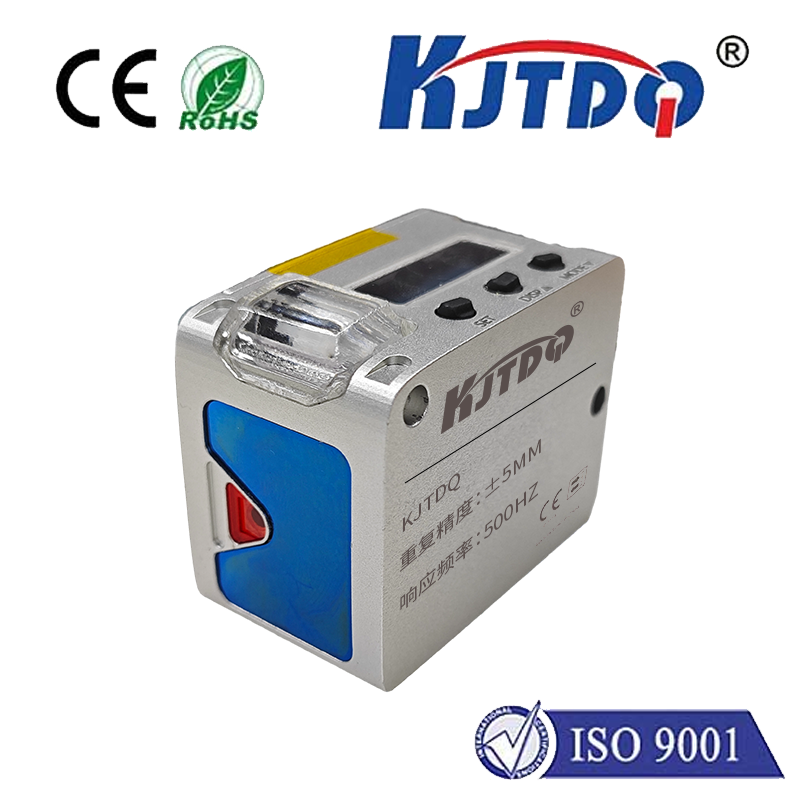
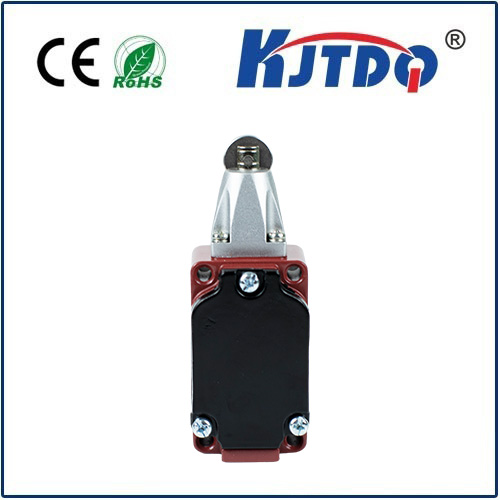
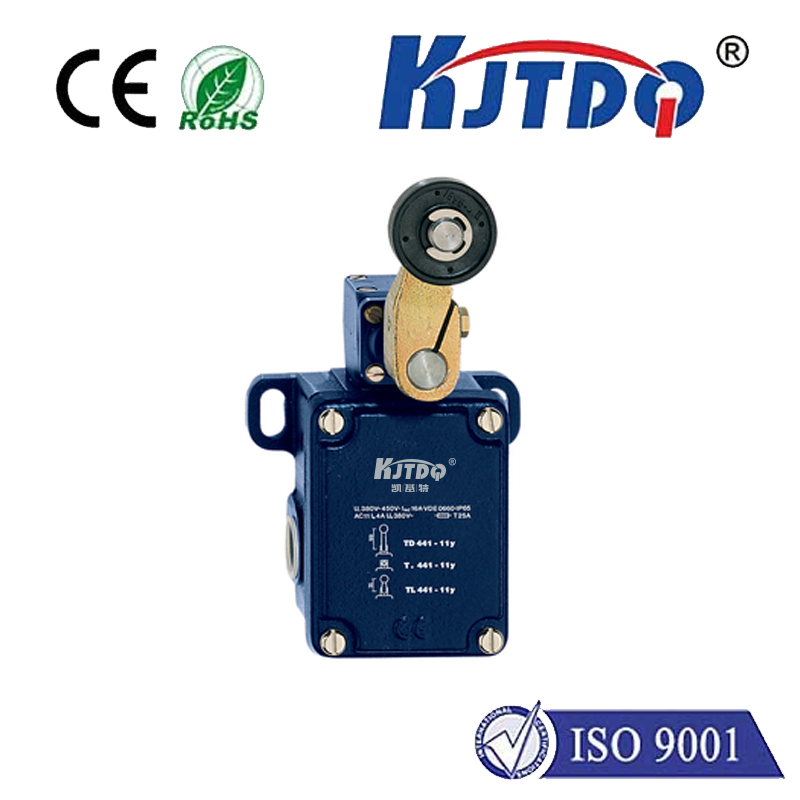
The applications for KJTDQ's PNP limit switches are vast and varied. They are indispensable in material handling systems for detecting the presence or absence of items on a conveyor belt, ensuring smooth flow and preventing jams. In robotic arms, these switches provide precise endpoint detection, allowing for accurate and repeatable movements. Packaging machinery relies on them to confirm the position of products before sealing or labeling. Furthermore, they play a vital role in safety interlocks on machine guards, ensuring equipment only operates when protective doors are securely closed, thereby protecting personnel.
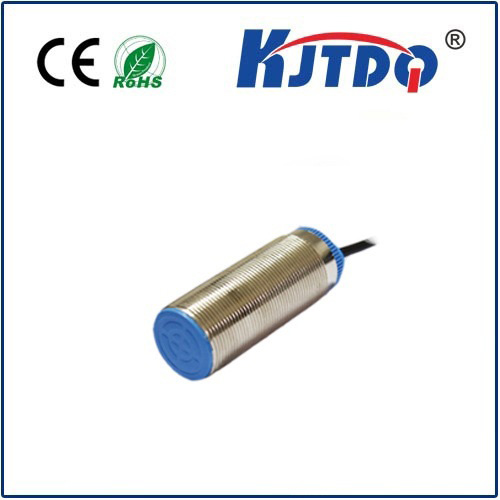
KJTDQ's commitment to excellence is evident in the robust design of its PNP limit switches. Engineered for harsh industrial environments, these switches often feature durable metal or high-grade plastic housings with ingress protection (IP) ratings like IP67, making them resistant to dust, water, and oil splashes. This durability ensures long-term reliability even in demanding settings such as automotive manufacturing plants, food processing facilities, and woodworking shops. The switches offer high switching frequencies and excellent repeat accuracy, which are essential for high-speed production lines where every millisecond counts.
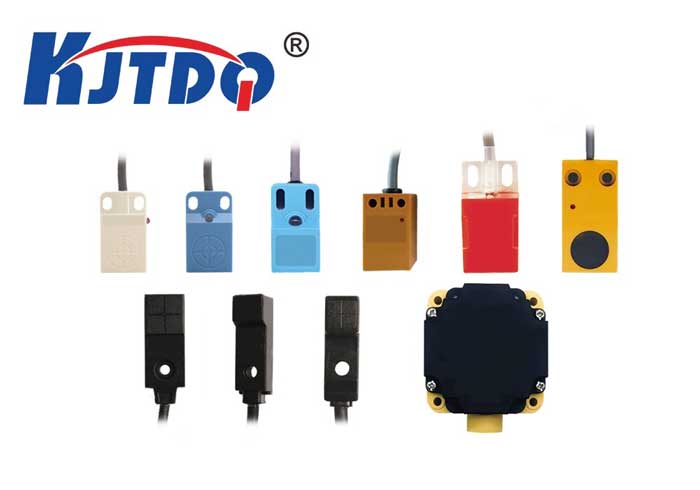
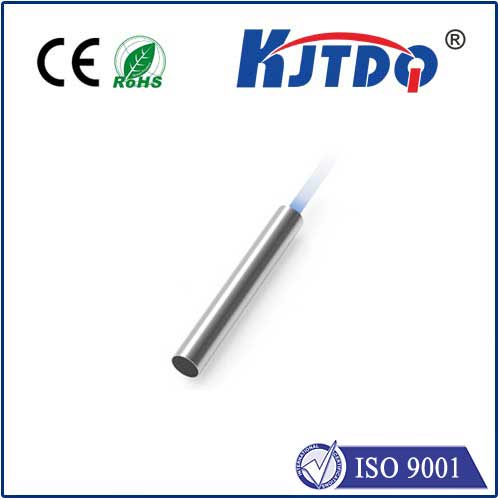
Selecting the right PNP limit switch requires careful consideration of several factors. The sensing distance, whether inductive, capacitive, or optical, must match the application. The physical form factor, such as tubular, rectangular, or slot-style, needs to fit the installation space. Electrical specifications, including voltage range and output current, must align with the control system's requirements. KJTDQ provides a comprehensive portfolio with diverse options, allowing engineers to find the perfect match for their specific technical and environmental challenges. Their technical support team is adept at guiding customers through this selection process.
The integration of KJTDQ's PNP limit switches into an automation system brings tangible benefits. The primary advantage is enhanced operational reliability. Their solid-state design, free from mechanical contacts that can wear out, translates to a significantly longer lifespan and reduced maintenance costs. The precise and fast signal output improves the overall accuracy and efficiency of the machinery, leading to higher product quality and throughput. By preventing over-travel and misalignment of moving parts, these switches also contribute to protecting valuable equipment from damage, further optimizing total cost of ownership.
Looking ahead, the role of intelligent sensing continues to grow. KJTDQ is at the forefront, incorporating advanced diagnostics and IO-Link communication capabilities into its next-generation PNP limit switches. This allows for predictive maintenance, where the switch can communicate its health status and operational data to the control system, enabling issues to be addressed before they cause a production halt. This evolution from a simple sensor to a smart data point is integral to the development of Industry 4.0 and the Industrial Internet of Things (IIoT).
In conclusion, the humble limit switch, particularly in its advanced PNP configuration, remains a cornerstone of industrial automation. KJTDQ's dedicated focus on innovation, quality, and application-specific design has produced a range of PNP limit switches that deliver unmatched reliability and performance. For system integrators and plant managers seeking to build resilient, efficient, and future-ready automation systems, specifying KJTDQ components is a strategic decision that drives productivity and competitive advantage.