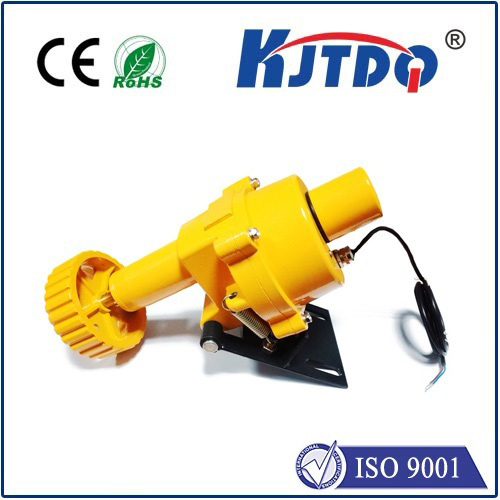
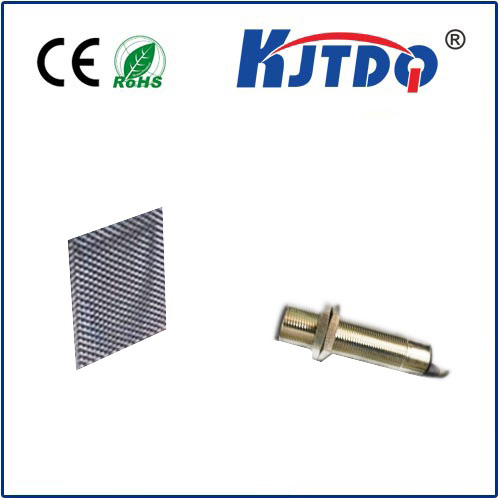
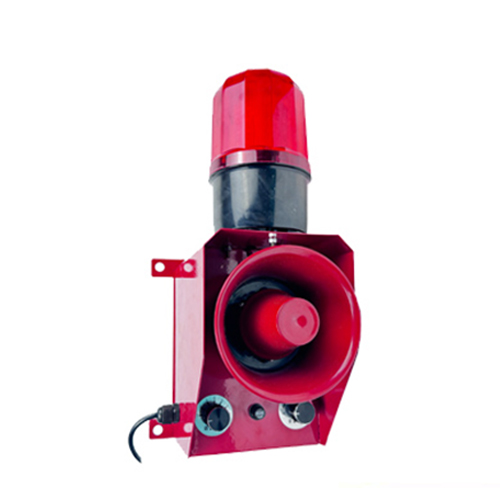
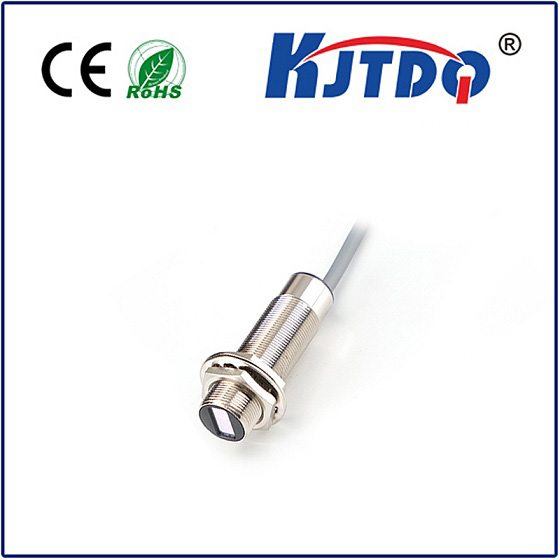
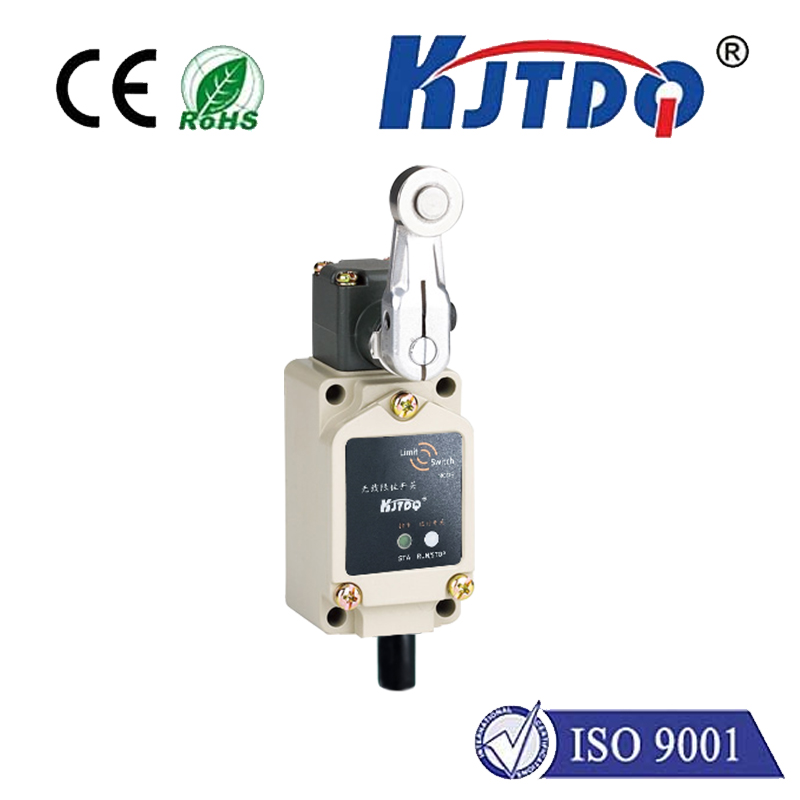
In industrial automation and process control, maintaining optimal flow rates is critical for operational efficiency, safety, and cost management. The flow limit switch, a fundamental component in this domain, serves as a vigilant guardian, ensuring that fluid or gas movement stays within predefined parameters. This device is not merely a simple on/off tool; it is an integral part of sophisticated systems that demand precision and reliability.
A flow limit switch operates by detecting the flow rate of a medium—be it water, oil, air, or chemicals—through a pipeline or conduit. When the flow exceeds or falls below a set threshold, the switch triggers an action, such as activating an alarm, shutting down a pump, or adjusting a valve. This immediate response prevents potential damage to equipment, reduces waste, and enhances overall system safety. For instance, in cooling systems, a flow limit switch can detect insufficient coolant flow, averting overheating and machinery failure. In chemical processing, it ensures precise dosing, maintaining product quality and preventing hazardous spills.
The technology behind flow limit switches has evolved significantly. Traditional mechanical switches, which use paddles or vanes moved by the flow, are still prevalent due to their simplicity and durability. However, modern electronic and ultrasonic switches offer higher accuracy and digital integration capabilities. These advanced models can provide real-time data, communicate with control systems via protocols like 4-20 mA or Modbus, and even enable remote monitoring through IoT platforms. This connectivity allows for predictive maintenance, where trends in flow data can signal impending issues before they cause downtime, thereby optimizing operational uptime and reducing maintenance costs.
Selecting the right flow limit switch involves considering several factors. The nature of the medium—its viscosity, temperature, and corrosiveness—determines the suitable materials for the switch’s wetted parts, such as stainless steel or PTFE. The flow range and required sensitivity dictate the choice between thermal, differential pressure, or paddle-type switches. Installation is another critical aspect; proper placement in straight pipe sections, away from turbulence-causing fittings like elbows or valves, ensures accurate readings. Regular calibration and maintenance, as per manufacturer guidelines, are essential to sustain long-term performance and avoid false triggers that could disrupt processes.
In practice, flow limit switches find applications across diverse industries. In water treatment plants, they monitor filtration and distribution systems, preventing overflow or dry running. HVAC systems rely on them to regulate airflow in ducts, ensuring energy efficiency and comfort. The food and beverage sector uses sanitary-designed switches to maintain hygiene while controlling flow in production lines. Even in renewable energy, such as geothermal or solar thermal systems, these switches help manage heat transfer fluids, maximizing energy capture. Each application underscores the switch’s role in enhancing reliability and compliance with industry standards.
Despite their robustness, challenges like fouling, pressure fluctuations, or electrical interference can affect performance. Implementing filters, using shielded cables, and opting for switches with built-in diagnostics can mitigate these issues. Moreover, integrating flow limit switches with broader automation frameworks, such as SCADA or PLC systems, creates a cohesive control environment. This integration not only streamlines operations but also provides a comprehensive view of process health, enabling data-driven decisions that boost productivity.
Looking ahead, innovations in sensor technology and data analytics are set to redefine flow monitoring. Smart switches with self-learning algorithms could adapt to changing conditions autonomously, while miniaturization may enable use in compact or portable equipment. As industries embrace Industry 4.0, the flow limit switch will continue to evolve, becoming more interconnected and intelligent. For engineers and operators, understanding its principles and best practices is key to leveraging its full potential, ensuring that flow control remains a cornerstone of efficient and safe industrial operations.