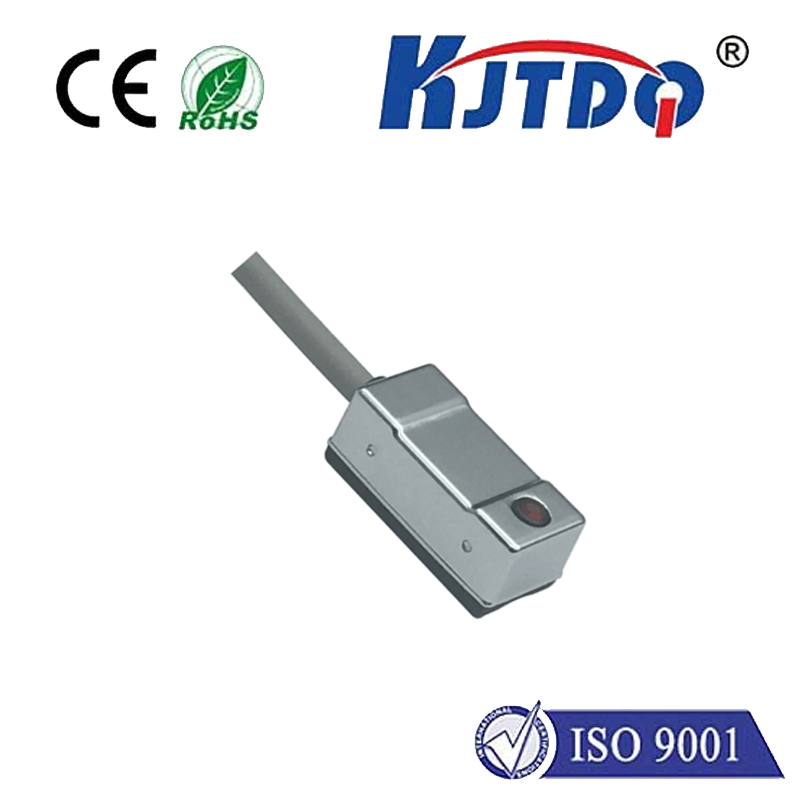
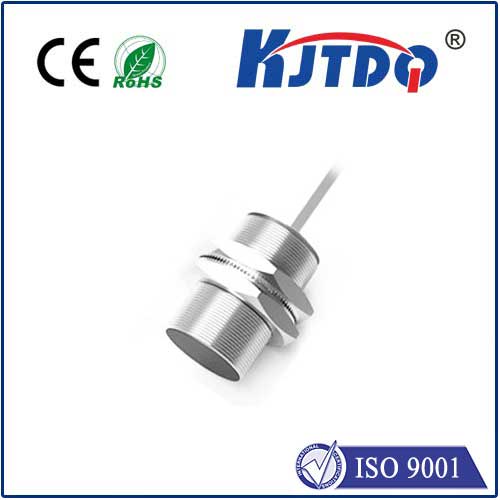
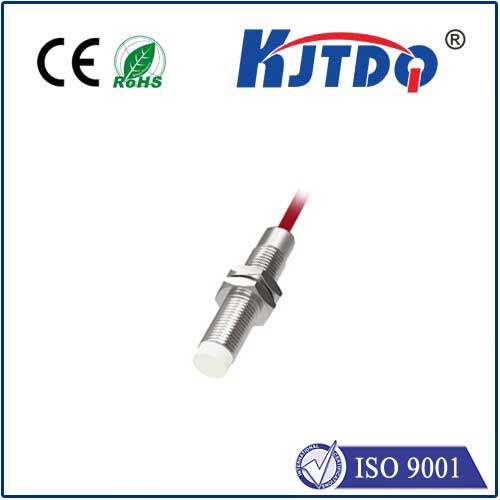
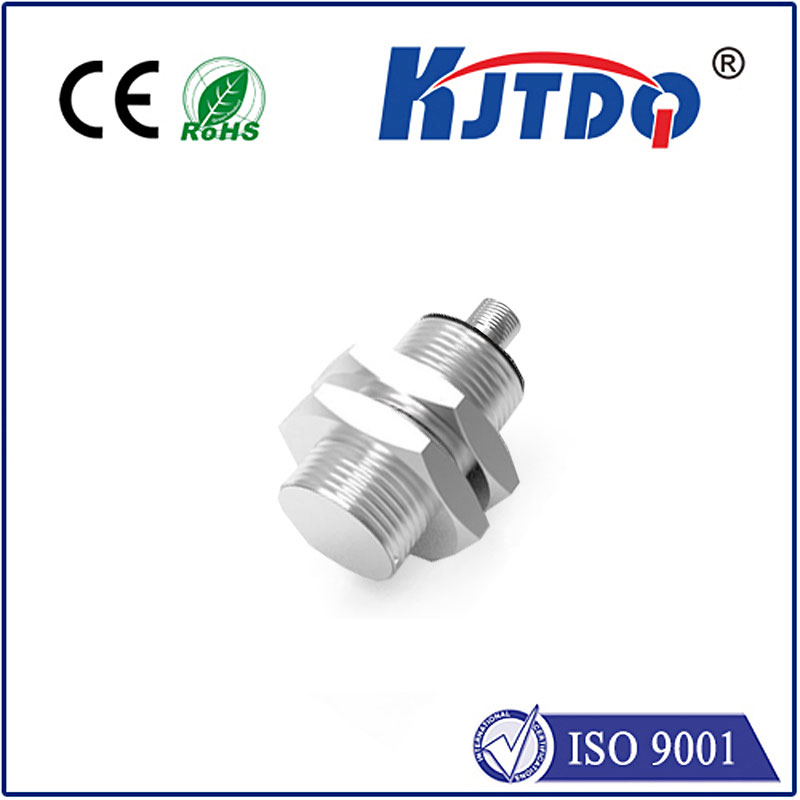
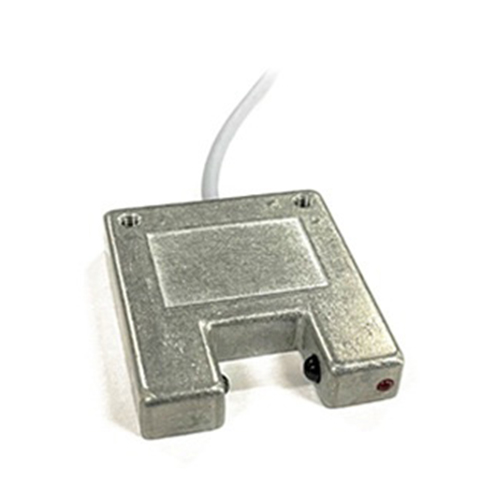
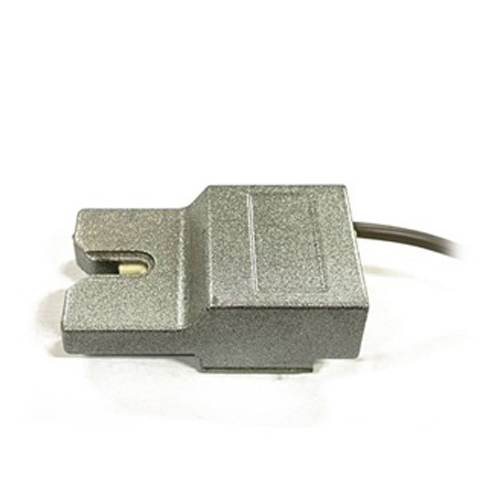
In industrial settings where flammable gases, vapors, or combustible dusts are present, safety is not just a priority—it is an absolute necessity. Equipment failure in such hazardous areas can have catastrophic consequences. This is where specialized components, like the ATEX-certified limit switch, become critical. The KJTDQ series of limit switches, designed and certified for ATEX compliance, stands as a robust solution for precise position sensing and control in these demanding environments.
The term "ATEX" originates from the French "ATmosphères EXplosibles." It refers to two European Union directives that govern equipment and protective systems intended for use in potentially explosive atmospheres. An ATEX certification is not a mere suggestion; it is a legal requirement for equipment operating in such zones within the EU and is recognized as a gold standard globally. A limit switch, a fundamental electromechanical device, is used to detect the presence or absence of an object, or to monitor positional limits. When these two concepts converge, the result is a product engineered to perform reliably without becoming an ignition source.
The KJTDQ ATEX limit switch is meticulously constructed to meet these rigorous standards. Its housing is typically made from durable, corrosion-resistant materials like stainless steel or robust engineering plastics, ensuring integrity against harsh chemicals and physical impact. More importantly, the internal design employs explosion-proof containment techniques. This means that any potential spark generated within the switch's electrical contacts is safely contained within the rugged enclosure, preventing it from interacting with the external hazardous atmosphere. The sealing is of the highest grade to prevent the ingress of dust or gases that could compromise safety.
The applications for such a device are vast and vital across numerous industries. In oil and gas refineries, KJTDQ limit switches are used on valve actuators to confirm open or closed positions, on safety gates, and on loading arms. Within pharmaceutical or food processing plants where combustible powders are common, these switches monitor levels in silos or control access to processing areas. In chemical manufacturing and paint spray booths, they ensure machinery operates within safe physical limits. Their role is often silent but indispensable, providing the essential feedback to control systems that prevent over-travel, jamming, or unauthorized access in zones where a single spark could be disastrous.
Choosing the right limit switch for a hazardous area involves several key considerations beyond just the ATEX marking. The KJTDQ range offers options tailored to specific zone classifications. For instance, equipment for Zone 1 (where an explosive atmosphere is likely to occur occasionally) has different requirements than for Zone 2 (where it is not likely but possible). The switch's IP (Ingress Protection) rating is crucial, indicating its resistance to dust and water—a critical factor in outdoor or washdown environments. Operators must also consider mechanical specifications: actuator type (roller lever, plunger, fork lever), electrical ratings, switching capacity, and expected lifecycle. The KJTDQ series provides this flexibility, ensuring a match for the precise mechanical and environmental demands of the application.
Installation and maintenance, while following standard practices, require heightened diligence. Wiring must be performed to exact specifications using appropriate certified cable glands to maintain the integrity of the explosion-proof seal. Regular inspections are mandatory to check for any signs of damage to the enclosure, wear on the actuator, or degradation of seals. Proper maintenance ensures the switch continues to perform its safety function throughout its service life. The reliability of the KJTDQ switch minimizes downtime, but a proactive maintenance schedule is a cornerstone of any safety management system in hazardous locations.
Ultimately, investing in ATEX-certified components like the KJTDQ limit switch is an investment in operational safety, regulatory compliance, and asset protection. It moves beyond simple functionality to embody a commitment to protecting personnel, facilities, and the environment. In the complex ecosystem of industrial automation, where precision meets peril, these specialized devices provide the confidence needed to operate efficiently without compromising on the fundamental principles of hazard prevention. They are not just switches; they are guardians at the threshold of danger, enabling industry to progress safely.