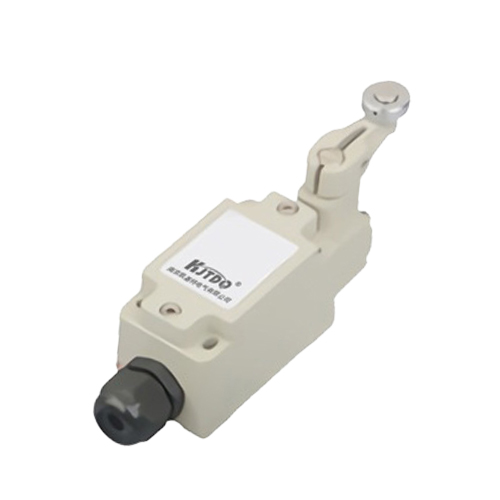
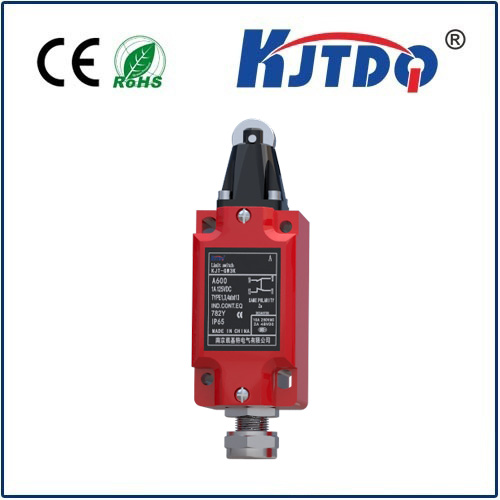
In the world of building automation and HVAC control, precision and reliability are paramount. The Belimo end switch, a critical component within actuator assemblies, plays a fundamentally important role in ensuring systems operate as intended. This device, often designated as a limit switch or auxiliary switch, provides definitive feedback on the position of a damper or valve. When the actuator reaches its fully open or closed position, the end switch is triggered, sending a clear electrical signal back to the building management system (BMS) or controller.
This simple yet vital function forms the backbone of effective system verification and sequencing. For instance, in an air handling unit, confirming that an outside air damper is fully closed is essential for safe freeze protection during winter months. Without a reliable end switch signal, the system cannot guarantee this state, potentially leading to coil damage and costly repairs. Similarly, in variable air volume (VAV) systems, end switches confirm damper positions to ensure proper zone pressure and airflow balance, directly impacting occupant comfort and energy consumption.
The integration of a high-quality end switch, such as those engineered by Belimo, goes beyond basic functionality. Belimo's designs are known for their durability and precise actuation. They are built to withstand millions of cycles, resisting the common failures associated with mechanical wear and environmental contaminants like dust and moisture. This longevity is crucial in commercial and institutional buildings where HVAC components are expected to perform flawlessly for decades with minimal maintenance.
From an installation and commissioning perspective, the clarity provided by a Belimo end switch is invaluable. Technicians can quickly verify actuator operation and damper linkage alignment by monitoring the switch state. This simplifies troubleshooting, reduces commissioning time, and ensures the system starts its operational life correctly configured. The reliable signal eliminates guesswork, allowing for faster diagnostics if a system fault occurs later.
Furthermore, the data from these switches contributes to smarter building operations. By reliably confirming equipment states, the BMS can execute more complex and efficient control sequences. It enables conditional operations, such as only enabling a fan when associated dampers are proven to be in the correct position, enhancing both safety and energy efficiency. This level of verified control is a key step toward achieving advanced building performance goals and sustainability certifications.
In retrofit and modernization projects, upgrading to actuators equipped with robust end switches like those from Belimo can resolve persistent control issues. Older systems often suffer from unreliable feedback, leading to constant nuisance alarms or inefficient operation. A direct replacement with a modern solution restores precise monitoring and control, often improving system performance and reducing energy waste without a complete system overhaul.
Ultimately, the Belimo end switch represents a critical link in the chain of trust within an automated building system. It transforms a mechanical movement into a definitive, actionable electronic signal. This reliability ensures that control strategies are executed based on real, verified conditions, protecting equipment, optimizing energy use, and maintaining designed comfort levels. For engineers and facility managers specifying components, prioritizing this level of proven feedback mechanism is not an option but a necessity for resilient and efficient building operations.