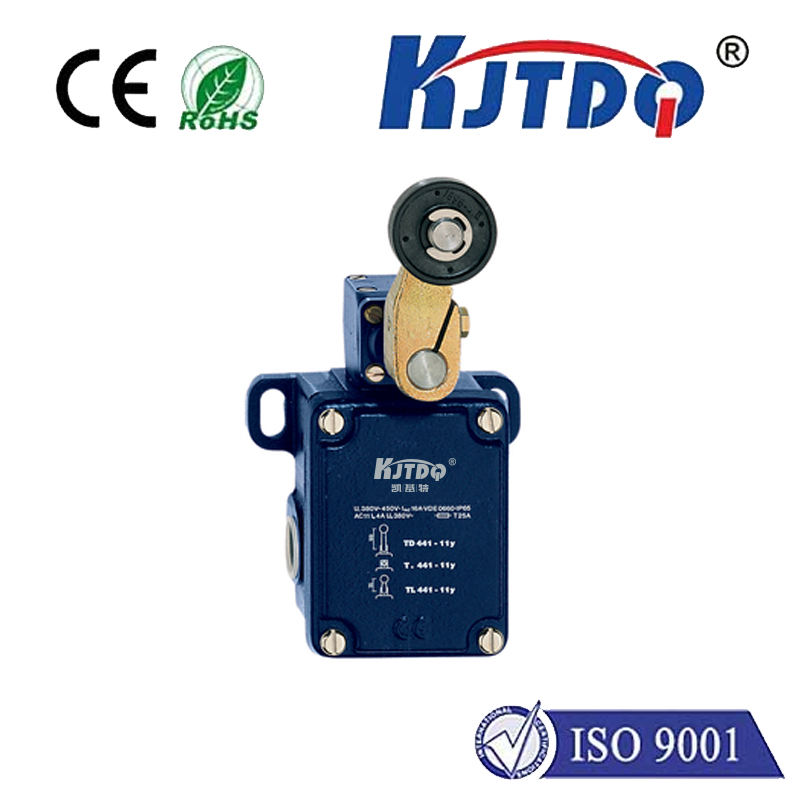
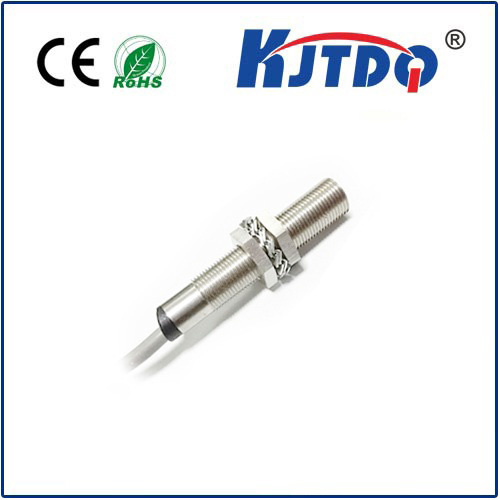
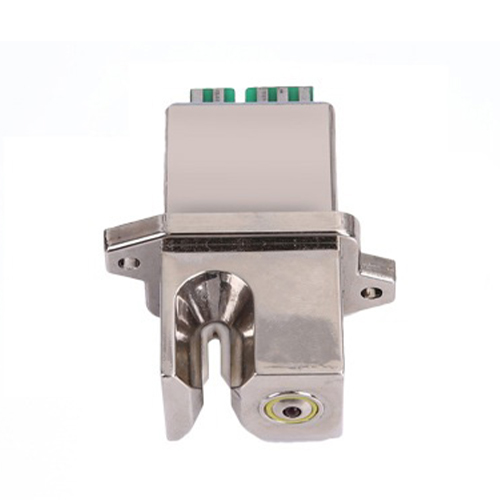
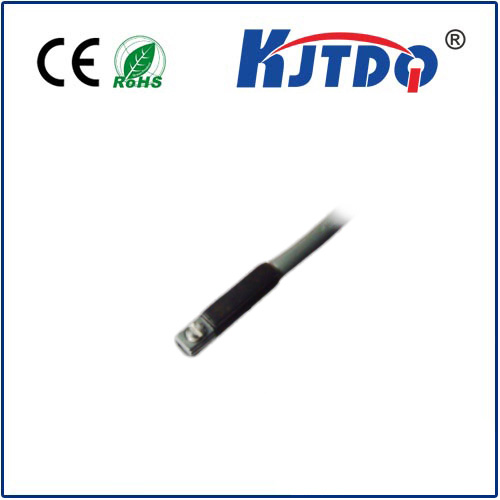
In the intricate world of industrial automation and HVAC systems, precision and reliability are non-negotiable. Among the myriad components that ensure seamless operation, the inducer limit switch stands out as a critical safety and control device. This component, often overlooked, plays a pivotal role in maintaining system integrity, preventing potential hazards, and optimizing performance. An inducer limit switch is essentially a safety interlock. It is commonly found in high-efficiency furnaces and boilers. Its primary function is to verify that the inducer motor—a fan that draws combustion gases through the heat exchanger—is operating correctly before allowing the ignition sequence to proceed. If the switch does not detect sufficient airflow or motor operation, it will prevent the gas valve from opening, thereby averting the dangerous buildup of unburned fuel. The operational principle is straightforward yet vital. The switch is typically a pressure-activated or mechanically-actuated sensor. When the inducer motor starts, it creates a draft or a specific pressure differential. This action triggers the limit switch to close its contacts, completing an electrical circuit that signals the control board it is safe to ignite. Without this confirmation, the system will lock out, often requiring a manual reset after the fault is addressed. The benefits of a properly functioning inducer limit switch are substantial. First and foremost, it enhances safety by preventing ignition in the absence of adequate ventilation, which is crucial to avoid carbon monoxide poisoning or explosion risks. Secondly, it protects the system itself. By ensuring proper inducer operation, it prevents overheating and stress on the heat exchanger, extending the equipment's lifespan. Furthermore, it contributes to energy efficiency. A system that only operates under correct draft conditions burns fuel more completely and reduces wasteful cycling. For technicians and system integrators, understanding the symptoms of a failing inducer limit switch is key. Common indicators include frequent system lockouts, failure to ignite despite a working igniter and gas supply, or error codes pointing to pressure switch faults. Troubleshooting often involves checking for obstructions in the flue, verifying the integrity of the tubing connected to the switch, and testing the switch's electrical continuity with a multimeter. It is important to note that these switches are designed for specific pressure ranges and should only be replaced with OEM-specified parts to maintain system certification and safety. The evolution of these components has seen integration with more sophisticated control systems. Modern inducer limit switches may provide diagnostic feedback, offering more granular data on airflow performance. This integration aligns with the broader trend of predictive maintenance, where potential issues can be flagged before they lead to system downtime. In conclusion, the inducer limit switch is a fundamental guardian within combustion-based systems. Its role in verifying operational conditions is a simple yet brilliant application of fail-safe engineering. For anyone involved in the maintenance, installation, or design of HVAC or industrial heating equipment, a deep appreciation of this component is essential. It exemplifies how a small, often inexpensive part can uphold the entire system's safety, efficiency, and reliability, ensuring peace of mind for operators and end-users alike. Regular inspection and maintenance of this switch, as part of a broader system check, are prudent practices that safeguard both personnel and capital investment.