Integrating limit switches with the AccelStepper library provides a reliable method for establishing precise reference points in stepper motor applications. This setup is essential in projects requiring repeatable homing sequences, such as 3D printers, CNC machines, and automated positioning systems. The core principle involves using mechanical or optical switches to define physical boundaries, allowing the microcontroller to halt or reverse the motor upon contact, thereby preventing damage and ensuring consistent operation.
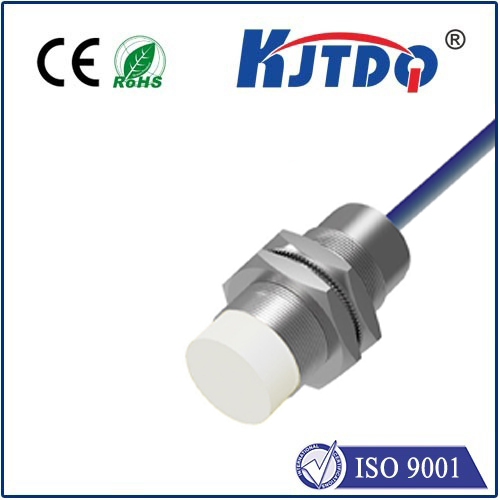
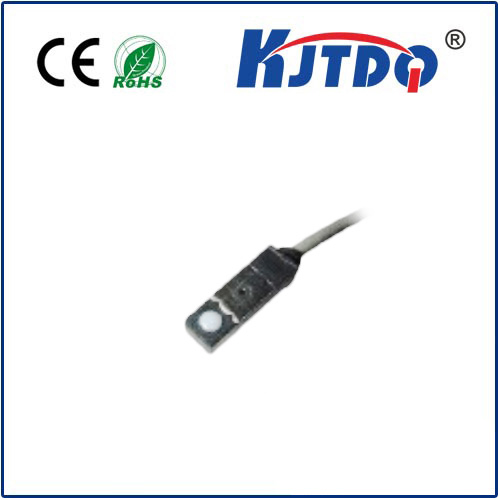
To begin, connect your limit switch to the Arduino. A typical configuration uses a normally open (NO) switch connected between a digital input pin and ground, with the internal pull-up resistor enabled. When the switch is not activated, the pin reads HIGH. When the actuator hits the switch, it closes the circuit to ground, pulling the pin LOW. This state change becomes the homing signal.
Within the AccelStepper library, homing is not a built-in function, so it must be implemented in the main control loop. The standard approach involves moving the motor slowly toward the limit switch while continuously polling the switch's digital pin. Once a LOW state is detected, the motor must stop immediately. To ensure accuracy and prevent bouncing, you may need to implement a short debounce delay. After stopping, you can optionally retract the motor slightly to release the switch and then set the current position to zero usingstepper.setCurrentPosition(0). This establishes the home position as a consistent reference for all subsequent absolute movements.
A critical consideration is switch placement and reliability. Position the limit switch so that the motor homes correctly every time without mechanical overtravel. Using two switches—one for each end of travel—enables full range limiting. The code logic expands to check both switches during different movement phases. For high-speed applications, consider using interrupts to detect the switch state change instantly, as polling might be too slow. However, interrupt service routines (ISRs) should be kept minimal to avoid disrupting the motor timing.
Another advanced technique involves using the limit switch not just for homing but also as a safety interlock during normal operation. The control loop can constantly monitor the switch status and trigger an emergency stop if an unexpected activation occurs, indicating a potential fault or obstruction. This adds a layer of system protection.
Power management and noise immunity are also vital. Use separate power supplies for motors and logic if possible, and employ filtering capacitors near the switches to suppress electrical noise that could cause false triggers. Shielded cables for long wire runs further enhance signal integrity.
Finally, thorough testing is necessary. Manually cycle the motor through homing sequences repeatedly to verify repeatability. Check for any positional drift over multiple cycles. Adjust the speed and acceleration parameters instepper.setMaxSpeed() andstepper.setAcceleration() to find the optimal balance between fast homing and gentle switch contact. Documenting these parameters ensures consistent performance across device replicas.
By meticulously integrating limit switches with AccelStepper, developers achieve robust and precise motor control, forming the foundation for reliable automation. This method bridges simple open-loop control with the certainty of physical feedback, elevating project capability and durability.