In the world of electrical components, precision and durability are paramount. The 5A micro switch stands as a cornerstone in numerous applications, offering a blend of compact design and robust performance. This guide delves into the intricacies of this essential device, exploring its functionality, common uses, and key selection criteria.
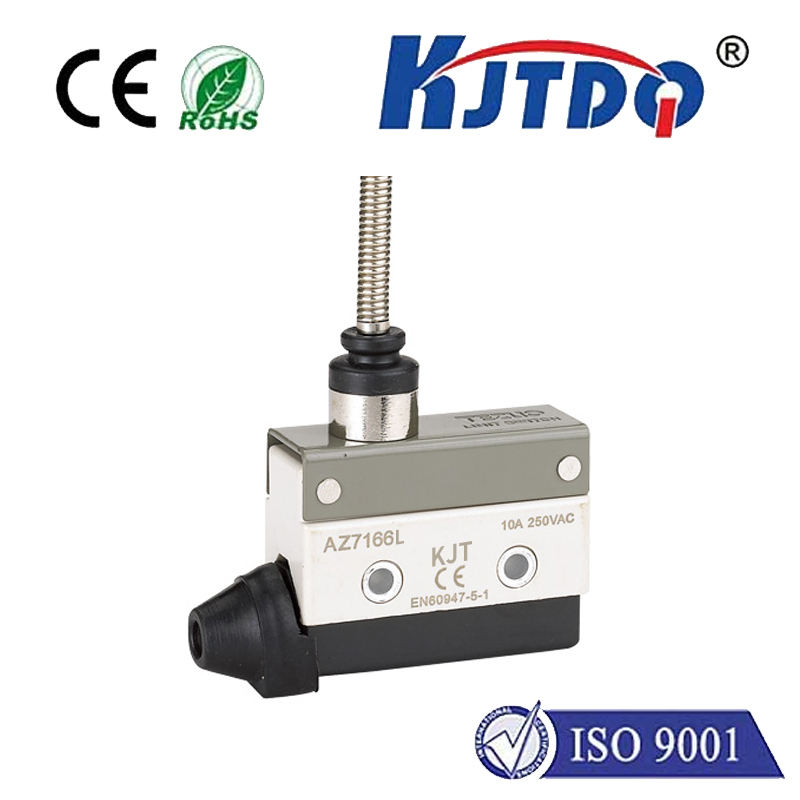
A 5A micro switch, often termed a snap-action switch, is characterized by its quick make-and-break mechanism. Rated for 5 amperes of electrical current, it is engineered to handle moderate loads with high reliability. The internal mechanism involves a spring-loaded actuator that ensures rapid contact transition, minimizing arcing and extending the switch's operational life. This snap-action feature is crucial for applications requiring precise and repeatable switching points, such as in safety interlocks or position sensing.
The construction of a typical 5A micro switch involves a durable housing, often made from thermoplastic or metal, protecting the internal contacts from environmental contaminants like dust, moisture, and oil. The terminals are designed for secure wire connections, and the actuator type—whether lever, roller, or plunger—can be selected based on the physical force required for activation. This versatility makes the 5A micro switch a preferred choice across industries.
Common applications are vast and varied. In the realm of home appliances, these switches serve as door interlocks in microwave ovens and washing machines, ensuring the device operates only when closed safely. Within automotive systems, they function as limit switches in power windows or brake pedal sensors. Industrial control panels utilize them for machine tool positioning and conveyor belt controls, where consistent performance under repetitive cycles is non-negotiable. The 5A rating makes it suitable for controlling motors, solenoids, and indicator lights directly, without always needing a secondary relay for lower-current signal tasks.
When selecting a 5A micro switch for a project, several technical specifications demand attention. The electrical rating, clearly 5A at a specified voltage (e.g., 125VAC or 250VAC), defines its load-handling capacity. The mechanical life, often in the millions of cycles, indicates longevity under no-load or light-load conditions, while the electrical life, typically lower, reflects performance under the rated current. Actuator force and travel distance are critical for the physical interface—a lever actuator might be needed for a sweeping mechanical motion, whereas a precise plunger suits a direct push. Environmental seals, denoted by IP ratings, are vital for use in harsh conditions.
Installation and maintenance practices significantly impact reliability. Mounting should be secure to prevent misalignment, and the operating force should be applied correctly to avoid overtravel that could damage the actuator. Regular inspection for signs of contact wear or housing damage can preempt failures. For applications involving inductive loads like motors, considering inrush current is important, as it can exceed the 5A rating momentarily; in such cases, consulting the switch's datasheet for specific load-type ratings is essential.
The market offers a wide range of 5A micro switches from various manufacturers. While basic models provide cost-effective solutions for standard duties, specialized versions offer features like higher temperature tolerance, different contact materials (e.g., silver for better conductivity), or sealed bodies for washdown environments. Understanding the specific demands of the application—whether it's a consumer product requiring UL certification or an industrial machine needing high cyclic endurance—guides the final selection.
In conclusion, the 5A micro switch is a fundamental component that bridges mechanical action and electrical control with efficiency and resilience. Its design principles focus on delivering a reliable switching signal in a small package. By carefully considering the electrical requirements, mechanical interface, and operating environment, engineers and technicians can leverage this switch to enhance the safety, functionality, and longevity of countless devices and systems. Its enduring presence in electronics underscores its role as a trusted solution for precise circuit control.