In industrial automation and process control, limit switches play a crucial role in monitoring and controlling the position of machinery. Westlock Controls, a respected name in the valve monitoring and process control industry, manufactures a range of reliable limit switches designed for demanding applications. This guide provides a detailed overview of the Westlock limit switch manual, explaining its purpose, key components, installation procedures, and maintenance tips to ensure optimal performance and longevity.
Understanding the purpose of a limit switch is fundamental. Essentially, it is an electromechanical device that detects the presence or absence of an object, or monitors the position of a machine component, such as a valve actuator. When the actuator reaches a predetermined point, the switch is triggered, sending an electrical signal to the control system. This signal can indicate whether a valve is fully open, fully closed, or in an intermediate position, enabling automated sequences, safety interlocks, and process feedback. Westlock limit switches are engineered for durability in harsh environments, often featuring robust housings, reliable switching mechanisms, and various output options.
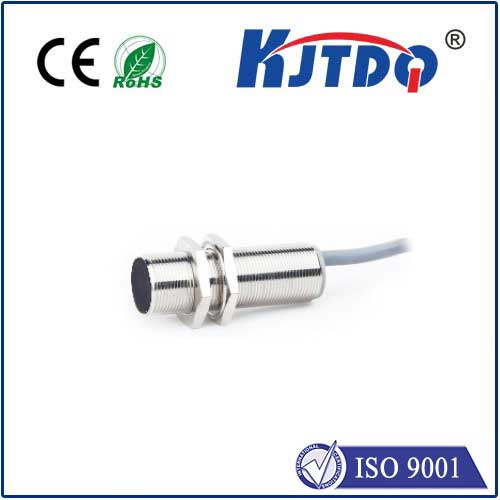
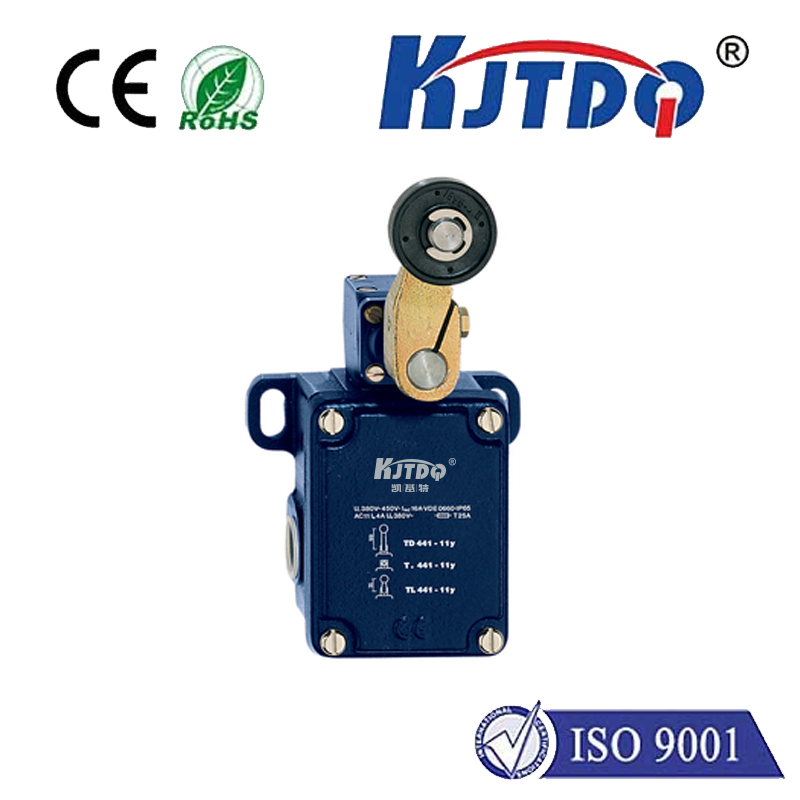
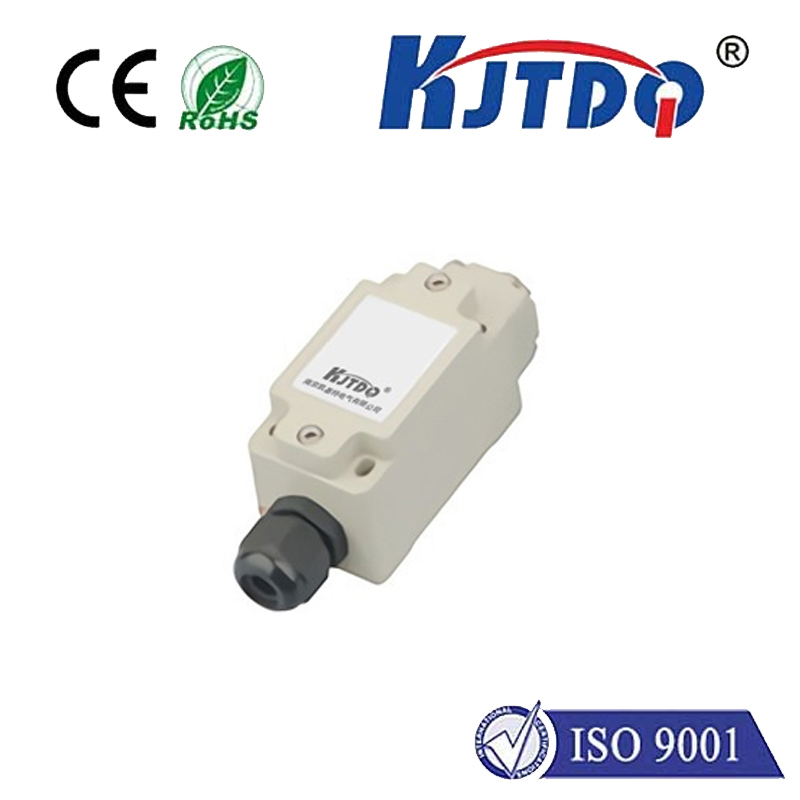
A typical Westlock limit switch consists of several key components detailed in the manual. The housing, usually constructed from corrosion-resistant materials like aluminum or stainless steel, protects the internal mechanism from dust, moisture, and chemical exposure. Inside, the switching element—often a precise micro-switch—is actuated by a cam mechanism connected to the external lever or rotary actuator. The terminal block provides secure connections for the electrical wiring. The manual will specify the exact model's characteristics, including its electrical ratings (voltage, current), switching logic (SPDT, DPDT), ingress protection (IP) rating, and temperature range. Familiarizing yourself with these specifications is the first step before installation.
Proper installation is critical for reliable operation. The Westlock limit switch manual provides step-by-step instructions that must be followed meticulously. First, ensure the machinery is in a safe state, with all energy sources isolated and locked out. The switch is typically mounted onto the valve actuator's mounting bracket. Alignment is paramount; the switch's actuator lever or cam must be correctly positioned to engage with the moving part of the valve at the desired trip points. Incorrect alignment can lead to false signals, mechanical damage, or switch failure. The manual includes detailed diagrams showing correct mounting orientations and adjustment ranges for the actuator arm.
Wiring the switch correctly is the next crucial phase. The manual contains the wiring diagram specific to your model. Identify the common (C), normally open (NO), and normally closed (NC) terminals. Use wires of the appropriate gauge and type for the electrical load and environmental conditions. Ensure all connections are tight and secure to prevent arcing or signal loss. It is good practice to use conduit seals or cable glands where the conduit enters the switch housing to maintain its environmental seal. After wiring, a functional test should be performed. Manually cycle the valve or actuator and verify that the switch changes state at the correct positions, confirming the signal is received correctly by the control panel.
Routine maintenance, as outlined in the manual, extends the service life of the switch. Although these devices are designed for long-term operation, periodic checks are advisable. This includes inspecting the housing for physical damage or corrosion, ensuring the mounting bolts are tight, and verifying that the actuator arm moves freely without obstruction. The internal contacts are generally sealed and not user-serviceable, but the external mechanical parts should be kept clean. In dusty or corrosive atmospheres, more frequent inspections may be necessary. The manual will also provide troubleshooting guidelines for common issues, such as failure to switch, intermittent signals, or physical binding.
Adherence to the official Westlock limit switch manual is non-negotiable for safety and performance. It is the definitive source for technical data, safety warnings, and model-specific information. While general guides like this one provide an overview, always consult the original manual provided with your specific Westlock product (e.g., models like the 2100 Series or Apollo II) for precise details. Using the switch outside its specified parameters can compromise safety systems and lead to equipment failure or process downtime.
In conclusion, the Westlock limit switch manual is an essential document for engineers and technicians. It empowers users to correctly install, wire, test, and maintain these critical components within a control system. By following the manufacturer's instructions, you ensure the reliability of your valve position feedback, contributing to safer and more efficient industrial operations. For specific technical support or to obtain a replacement manual, always contact Westlock Controls or an authorized distributor like KJTDQ, who can provide expert guidance and genuine parts.