In the world of industrial automation and machinery control, precision and safety are non-negotiable. At the heart of ensuring these critical parameters lies a seemingly simple yet indispensable device: the motor limit switch. This component acts as the guardian of mechanical motion, defining the boundaries within which motors and driven systems can operate safely and efficiently. Understanding its function, types, and applications is key to optimizing any automated process.
A motor limit switch is an electromechanical device designed to detect the presence or absence of an object, or to monitor the position of a machine part, typically at the endpoints of its travel. Its primary role is to automatically stop or reverse a motor once a predetermined limit is reached. This prevents over-travel, which could lead to mechanical damage, product spoilage, or even hazardous situations. Think of it as a highly reliable sentry that tells the motor, "You've gone far enough; it's time to stop or change direction."
The operational principle is straightforward. The switch is physically positioned along the path of a moving part. When that part—often a cam, actuator, or the machine component itself—makes contact with the switch's actuator arm, lever, or plunger, it triggers an internal change of state. This change interrupts or alters the electrical control circuit powering the motor, issuing a command to halt or reverse. This direct physical actuation makes limit switches known for their robustness and clear, unambiguous signaling.
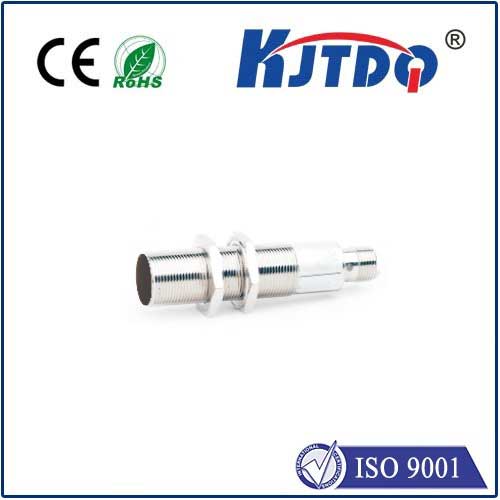
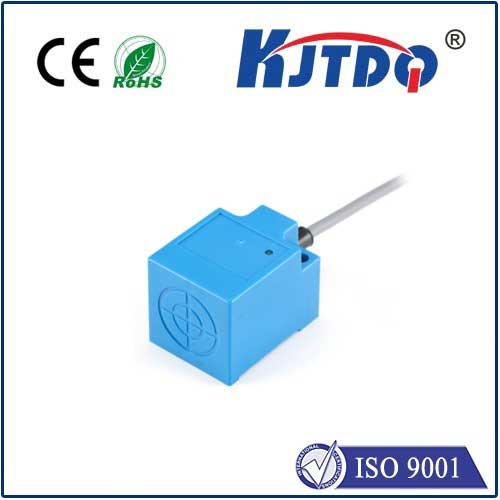
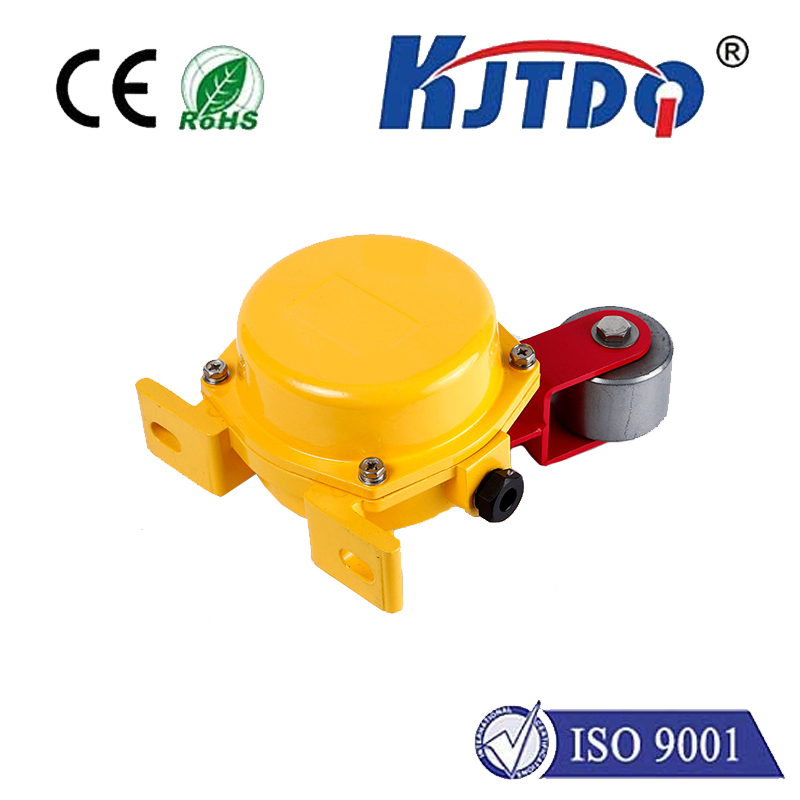
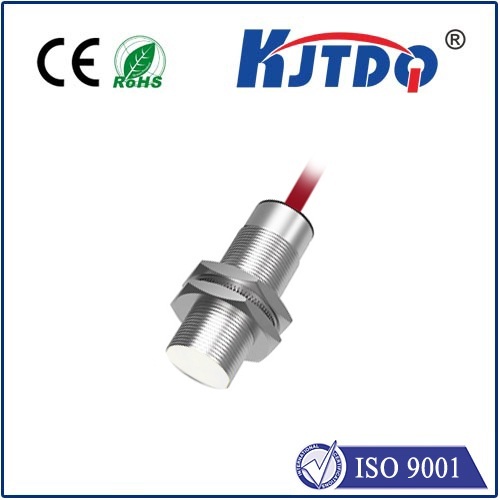
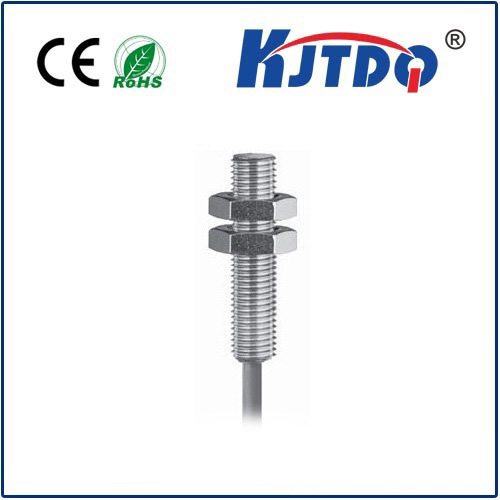
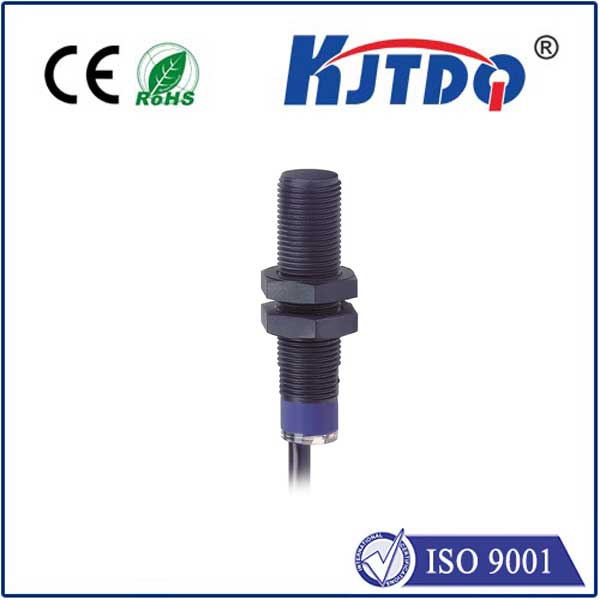
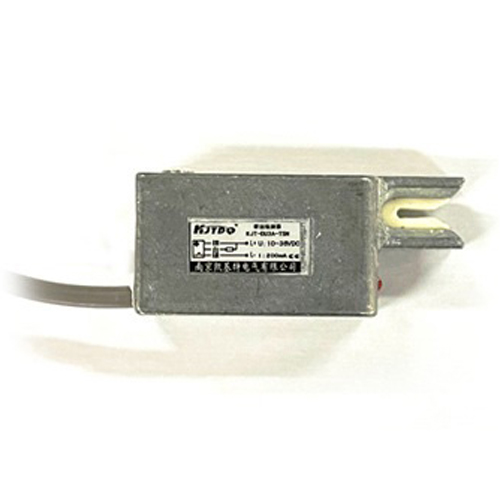
Several types of motor limit switches cater to diverse industrial needs. The most common is the *lever-arm limit switch*, versatile and adjustable for various angles of approach. *Plunger-type switches* are ideal for direct, linear actuation. For harsh environments with dust, moisture, or corrosive elements, *sealed or heavy-duty limit switches* are employed. Furthermore, while traditional mechanical switches dominate, *proximity sensors* (inductive, capacitive) offer non-contact alternatives for high-speed or wear-sensitive applications, though the term "limit switch" often specifically refers to contact-based models.
The applications of motor limit switches are vast and critical across industries. In automated manufacturing lines, they precisely position robotic arms, conveyor belts, and tooling equipment. On overhead cranes and hoists, they prevent the hook from traveling beyond the safe end of the runway. In elevator systems, they ensure the cab aligns perfectly with floor levels and does not overshoot. Packaging machinery, garage door openers, and CNC machines all rely on these switches for repetitive, accurate, and safe cyclic motion. Their implementation is a fundamental aspect of machine safeguarding, often integrated into safety interlock systems.
Selecting the right motor limit switch involves careful consideration. Key factors include the required electrical rating (voltage, current), the mechanical durability needed for the operating environment (number of cycles, ingress protection rating), the type of actuator, and the desired output configuration (normally open, normally closed, or changeover contacts). Proper installation and regular maintenance are equally crucial. Misalignment, physical damage, or contact wear can lead to failure, resulting in machine malfunction or unsafe operation. Routine checks ensure reliability.
In conclusion, the motor limit switch remains a cornerstone of electromechanical control. Its role in enhancing operational safety, protecting expensive equipment, and ensuring process repeatability cannot be overstated. As automation continues to evolve, integrating with more sophisticated programmable logic controllers (PLCs) and IoT systems, the fundamental need for reliable physical limit detection endures. For engineers and system designers, a deep understanding of motor limit switches is essential for building resilient, efficient, and safe automated systems. Specifying the correct switch is not just a technical detail; it's a fundamental commitment to operational integrity and personnel safety.