In the world of industrial automation, precision and reliability are non-negotiable. At the heart of countless motion control systems lies a critical component: the electric limit switch. This device, often referred to simply as a limit switch, acts as a sentinel, providing definitive feedback on the position or presence of an object. It is a fundamental building block for safety, sequencing, and operational efficiency in machinery ranging from conveyor belts and robotic arms to CNC machines and elevator systems.
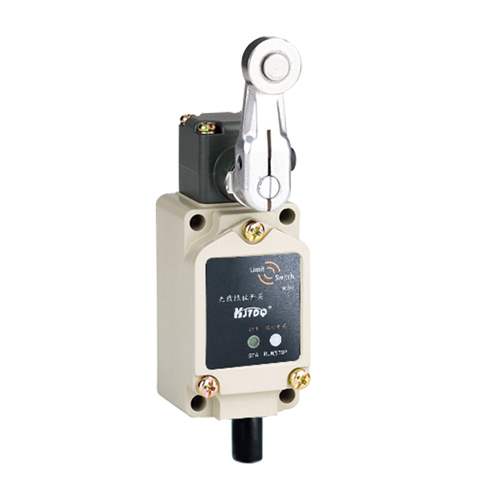
An electric limit switch is an electromechanical device that consists of an actuator mechanically linked to a set of electrical contacts. When an object, known as the target, makes physical contact with the actuator, it triggers the internal mechanism to change the state of the contacts. This change—either opening or closing a circuit—sends a clear electrical signal to the machine's control system, such as a Programmable Logic Controller (PLC). This signal can command a motor to stop, reverse direction, initiate a new sequence, or trigger an alarm, ensuring that mechanical movement is confined to safe and predefined limits.
The operational principle is elegantly simple, yet its applications are vast. Consider a garage door opener. The electric limit switches at the top and bottom of the door's travel path are what prevent the door from over-traveling and crashing into the floor or the opener mechanism itself. In a manufacturing plant, a limit switch on a sliding gate confirms it is fully closed and locked before a high-pressure process begins, ensuring operator safety. The reliability of this physical contact-based sensing is its key strength, offering a definitive, on/off signal that is largely immune to the environmental interference that can plague proximity sensors, such as dust, oil, or electromagnetic noise.
Choosing the right electric limit switch requires careful consideration of several factors. The first is the actuator type: plunger, roller lever, or whisker, each suited for different kinds of motion and force. The electrical rating, including voltage and current (both AC and DC), must match the control circuit's requirements. Durability, expressed as mechanical life (number of actuations) and electrical life, is paramount for high-cycle applications. Environmental protection, indicated by an IP (Ingress Protection) rating, is crucial for switches exposed to moisture, coolants, or particulate matter. For harsh environments, ruggedized housings made of metal or high-grade polymers are essential.
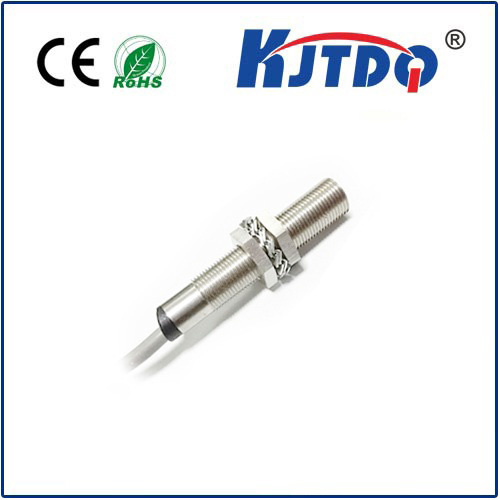
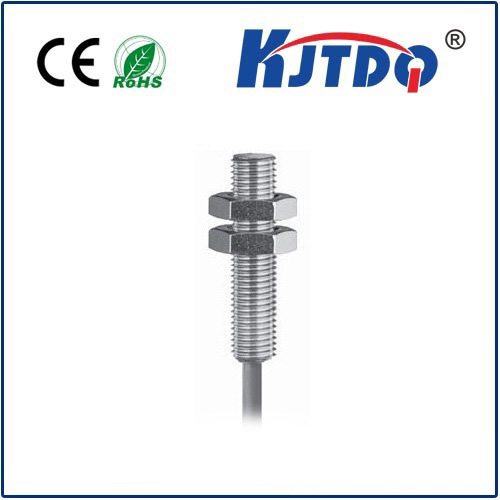
Modern advancements have expanded the capabilities of traditional limit switches. Sealed designs offer superior resistance to washdowns in food and beverage processing. Precision micro-switches provide exceptional repeatability for delicate positioning tasks. Furthermore, while traditional electromechanical switches remain dominant due to their cost-effectiveness and simplicity, their role is often complemented by non-contact sensors like inductive or capacitive proximity switches in modern systems. However, for applications requiring a positive mechanical confirmation of position, the electric limit switch remains the undisputed and trusted choice.
Installation and maintenance are straightforward but critical. Proper alignment with the target is essential to ensure consistent actuation and prevent premature wear on the actuator arm. Regular inspection for physical damage, loose connections, and the buildup of contaminants will ensure long-term, trouble-free operation. A well-chosen and properly maintained electric limit switch is a small investment that pays massive dividends in preventing costly machine downtime, protecting valuable equipment, and most importantly, safeguarding personnel.
From simple packaging machines to complex automotive assembly lines, the electric limit switch continues to be a cornerstone of automated control. Its direct, unambiguous feedback provides a layer of safety and control that is both simple and profoundly effective. For engineers and maintenance professionals, understanding its function, selection criteria, and application is key to designing and maintaining robust, efficient, and safe automated systems.