Проверка
Проверка
Проверка
Проверка
Проверка
Проверка
In the realm of industrial automation and control systems, the seamless operation of machinery hinges on the reliability of its most fundamental components. Among these, the limit switch stands as a critical sentinel, dictating the boundaries of motion and ensuring operational safety. When specified as ACDC, it signifies a versatile device capable of functioning with both alternating current (AC) and direct current (DC) power supplies. This dual compatibility is not merely a technical footnote; it represents a significant leap in design flexibility and application robustness.
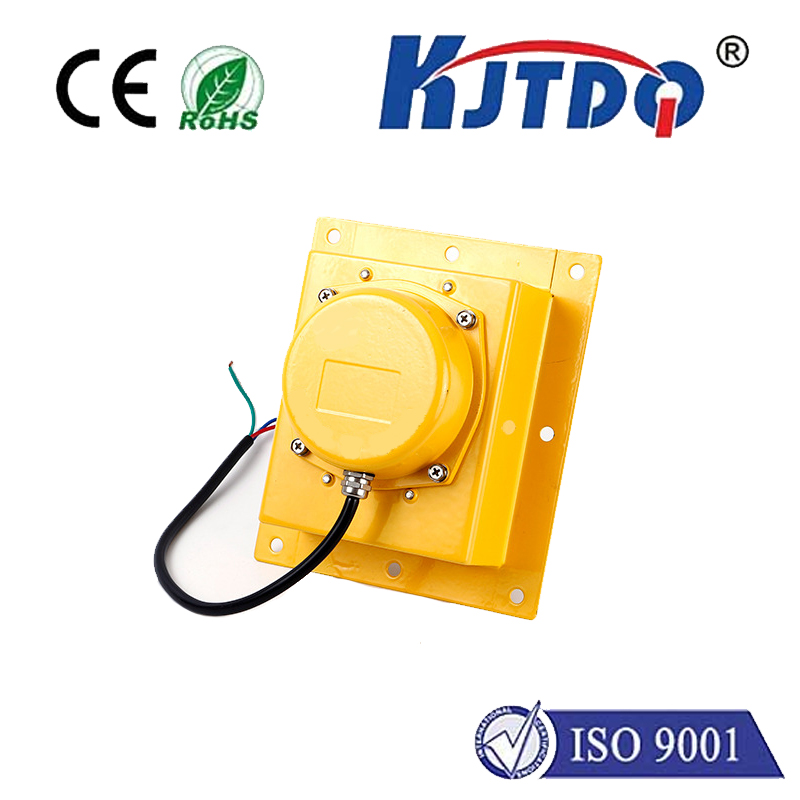
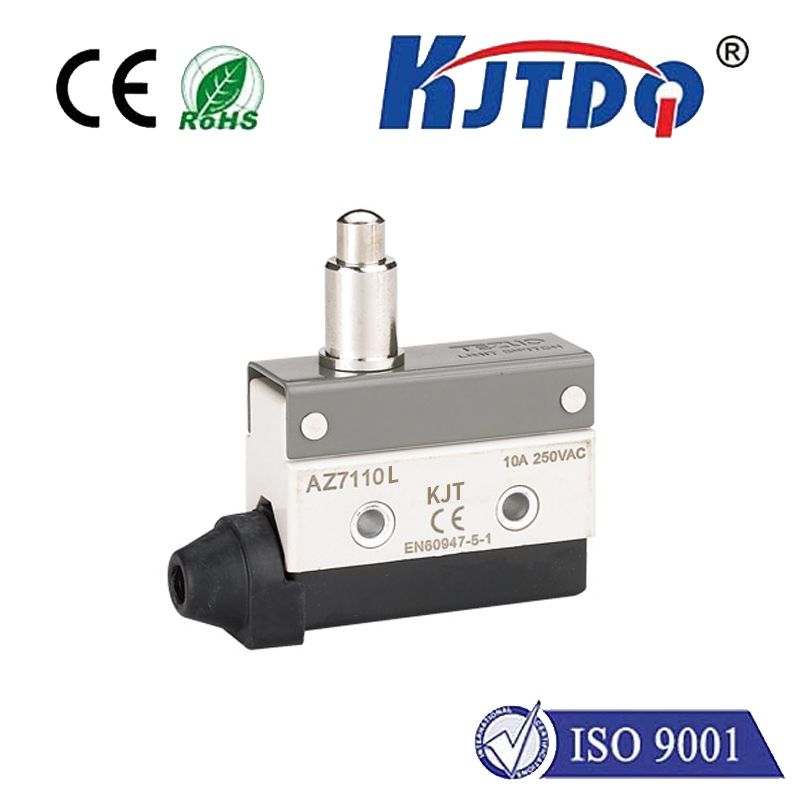
A limit switch is an electromechanical device that consists of an actuator mechanically linked to a set of contacts. When an object, or "target," comes into physical contact with the actuator, it triggers the switch to change the state of its electrical contacts—either opening or closing a circuit. This simple action is the cornerstone for tasks such as stopping or reversing a motor, counting objects on a conveyor, sequencing operations, or providing positional feedback to a programmable logic controller (PLC). The "ACDC" designation refers to the switch's internal construction and the rating of its contacts, enabling it to reliably interrupt and manage both types of electrical current.
The advantages of integrating an ACDC-rated limit switch into a system are substantial. Firstly, it simplifies inventory management and procurement for maintenance teams and OEMs. Instead of stocking separate switches for AC and DC applications, a single ACDC model can serve across a wider range of equipment and platforms. This universality reduces complexity and potential errors during replacement or system upgrades. Secondly, it enhances design adaptability. Engineers designing new machinery or retrofitting older systems are granted greater freedom. They are not constrained by the existing power supply type when selecting the optimal limit switch for a specific mechanical function, whether it requires the high-voltage capabilities typical of AC or the stable, controlled power of DC circuits.
From a performance perspective, ACDC limit switches are engineered for durability. Industrial environments are fraught with challenges: vibration, temperature extremes, moisture, dust, and repetitive mechanical stress. High-quality ACDC limit switches are built with robust housings, often meeting IP (Ingress Protection) ratings for dust and water resistance. Their contacts are designed to handle the unique characteristics of both current types—managing the arc quenching required for AC and the persistent arc challenges of DC—ensuring a long operational life and consistent signal integrity. This reliability translates directly into reduced downtime and lower total cost of ownership.
Real-world applications are vast and varied. In automotive assembly lines, ACDC limit switches confirm the precise positioning of robotic arms for welding or part placement. In packaging machinery, they detect the presence of a product to initiate the sealing cycle. In material handling, they serve as end-of-travel stops for cranes and hoists, preventing overtravel and potential damage. The ADC capability is particularly valuable in mobile equipment, such as agricultural or construction machinery, which often rely on DC power from batteries, as well as in sectors where low-voltage DC control circuits are standard for safety.
Selecting the right ACDC limit switch requires careful consideration of several parameters beyond just the current type. Key specifications include the electrical rating (voltage and current capacity), the actuator type (roller lever, plunger, wobble stick, etc.), the switching configuration (normally open, normally closed, or changeover), the housing material, and the required environmental protection level. Consulting with a knowledgeable supplier or referring to detailed datasheets is crucial to ensure the switch matches the mechanical, electrical, and environmental demands of the application.
In conclusion, the ACDC limit switch is a testament to the evolution of industrial components towards greater interoperability and resilience. It moves beyond being a simple binary sensor to become a strategic component that offers design engineers and plant managers flexibility, reliability, and simplification. By understanding its function and benefits, professionals can make informed decisions that enhance the efficiency, safety, and longevity of automated systems, ensuring that the limits defined are always precisely and reliably communicated.