In the demanding world of industrial automation, precision and reliability are not just desirable; they are absolute necessities. Every component in a control system plays a critical role, and among the most fundamental are limit switches. When it comes to robust and dependable position sensing, the JLSL 1 limit switch stands out as a proven solution for countless applications. This guide delves into the features, applications, and benefits of this essential device, explaining why it remains a cornerstone of effective machine control.
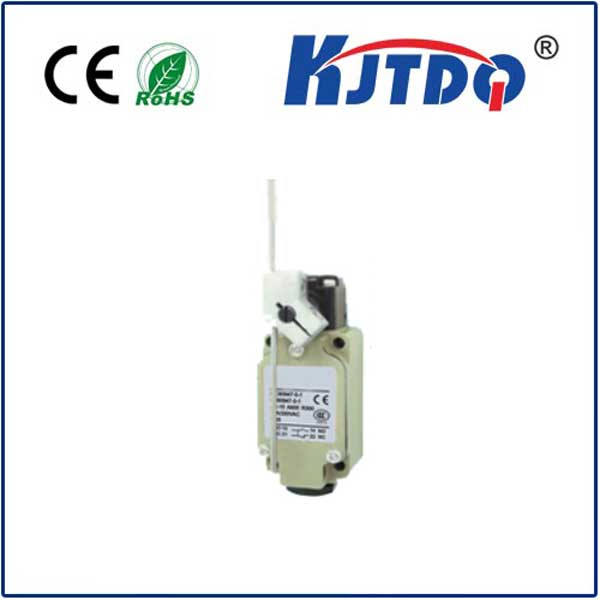
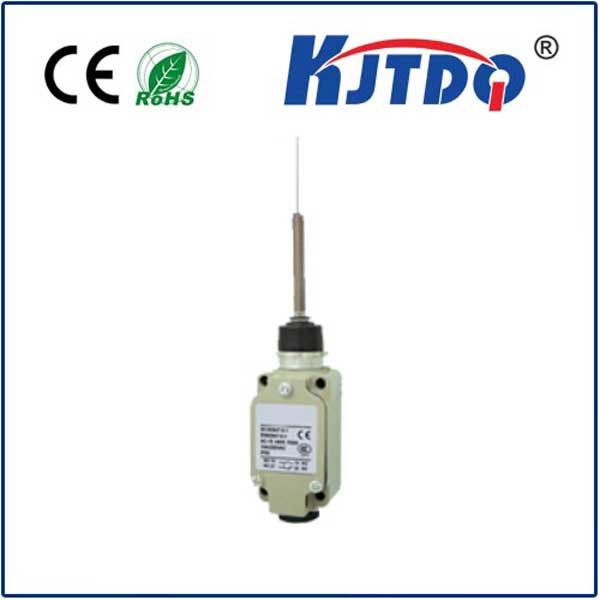
At its core, the JLSL 1 is a precision electromechanical device designed to detect the presence or absence of an object, or to monitor the limits of mechanical motion. It functions as a vital sentinel in a control circuit. The switch is typically actuated by physical contact with a moving part, such as a machine carriage, door, or conveyor belt stop. Upon reaching a predetermined position, the actuator plunger or lever triggers an internal mechanism. This action changes the state of its electrical contacts—either opening or closing a circuit—which sends a clear signal to the machine's programmable logic controller (PLC) or relay system. This signal can initiate a sequence of events, such as stopping a motor, reversing direction, activating an alarm, or starting a new process cycle. The "1" in its designation often refers to a specific model variant, typically indicating a standard single-pole configuration with precise operational characteristics.
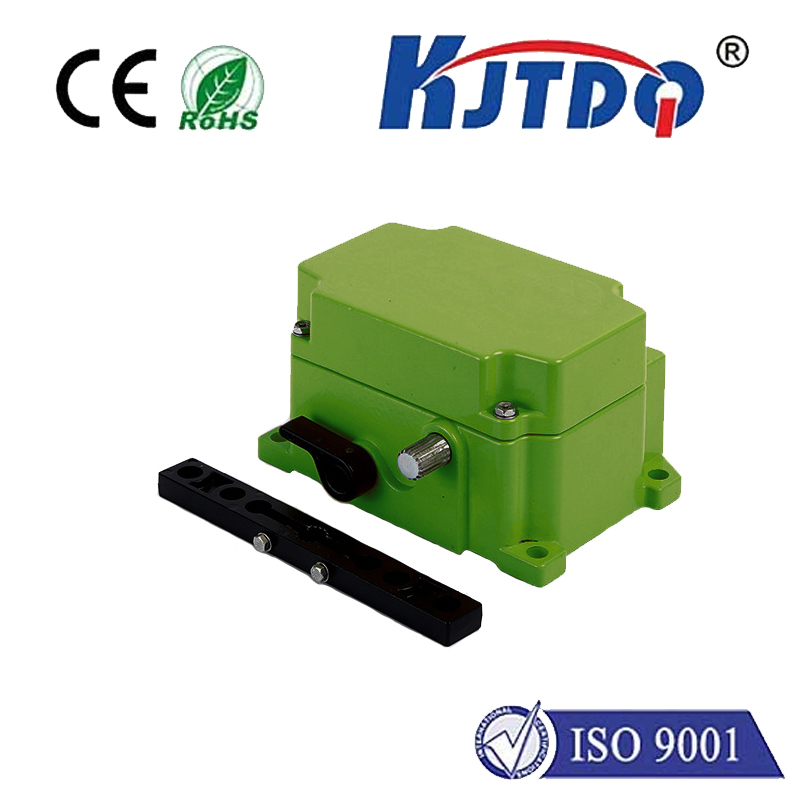
The construction of the JLSL 1 limit switch is engineered for industrial endurance. Housed in a rugged metal or high-grade thermoplastic body, it is built to withstand harsh environmental challenges. Many models offer significant protection against dust and water ingress, often meeting IP67 ratings, meaning they can handle temporary immersion and are completely dust-tight. This makes them suitable for use in washdown areas, outdoor installations, or dusty manufacturing floors. The internal switching mechanism is designed for millions of reliable operations, ensuring long-term performance with minimal maintenance. The actuator types are versatile, including roller levers, plungers, and adjustable levers, allowing for optimal alignment with the target machine part.
The applications for the JLSL 1 series are vast and varied across industries. In material handling and packaging, these switches are indispensable for detecting the position of goods on a conveyor, ensuring proper stacking, or signaling when a pallet is in place for wrapping. Within the automotive manufacturing sector, they provide precise end-of-travel detection for robotic arms, welding jigs, and assembly line fixtures. On heavy machinery like cranes, lifts, and hoists, JLSL 1 limit switches serve as critical safety devices, preventing over-travel and potential damage or accidents. They are also commonly found in door and gate interlock systems, ensuring access panels are securely closed before machinery can operate, thereby enhancing worker safety.
Choosing the JLSL 1 limit switch brings several key advantages to an operation. First and foremost is its proven reliability. The simple, robust mechanical design offers a level of certainty that is sometimes preferred over more complex solid-state sensors in certain applications, especially where environmental factors like oil, vibration, or electromagnetic interference are present. Its direct physical feedback is unambiguous. Secondly, its installation and setup are generally straightforward. Technicians can easily adjust the actuator arm or mounting position to achieve the exact triggering point required. Furthermore, its compatibility with standard control voltages and common PLC input modules simplifies integration into existing systems without the need for special interfaces or amplifiers.
For optimal performance and longevity, correct installation and routine inspection are crucial. The switch should be mounted securely to avoid vibration-induced misalignment. The actuator must be positioned so that the target machine part engages it positively but without excessive force that could cause premature wear. Regular checks should include verifying the tightness of mounting hardware, ensuring the actuator moves freely without obstruction, and testing the electrical signal output. Keeping the actuator and body clean from excessive grime or debris will also contribute to consistent operation.
In conclusion, the JLSL 1 limit switch represents a timeless and essential element in industrial control architecture. Its strength lies in its simplicity, durability, and direct approach to position sensing. For engineers and maintenance professionals seeking a dependable, easy-to-integrate, and cost-effective solution for motion control and safety interlocks, the JLSL 1 series continues to be a trusted and logical choice. It exemplifies how a well-designed mechanical component can provide the reliable feedback necessary for smooth, safe, and efficient automated operations in factories and plants worldwide.