Проверка
Проверка
Проверка
Проверка
Проверка
Проверка
In the world of automation and electronic control, the micro switch sensor stands as a fundamental yet powerful component. Often overlooked due to its small size, this device plays a critical role in ensuring accuracy, reliability, and safety across countless applications. From household appliances to industrial machinery, the micro switch sensor acts as a silent guardian, detecting physical changes and triggering precise electrical responses.
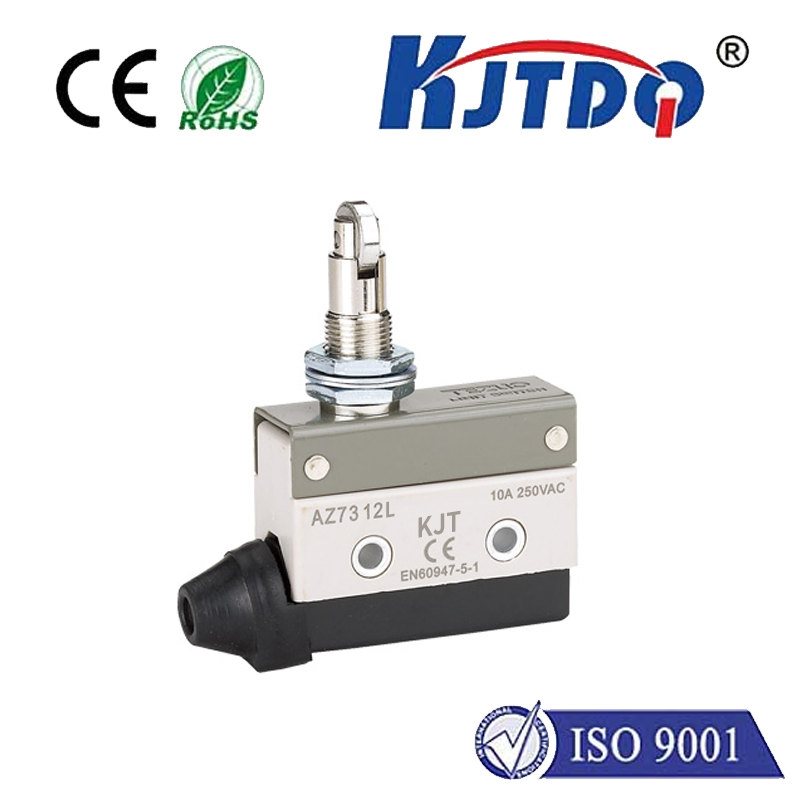
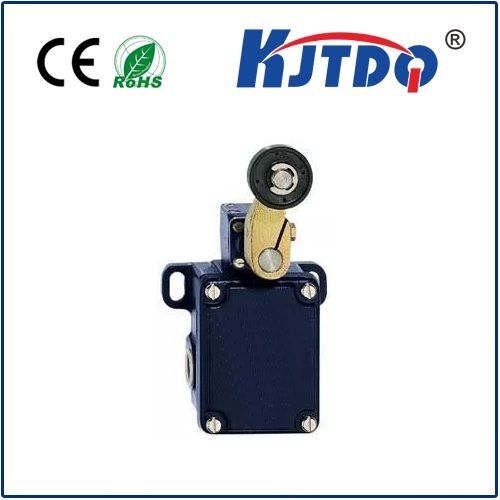
A micro switch sensor is a type of snap-action switch. It operates with a very small physical force, typically through a lever, roller, or plunger actuator. When this actuator is moved by an object, pressure, or position change, it causes the internal spring-loaded mechanism to snap rapidly between open and closed states. This quick, decisive action minimizes arcing and ensures a clear, reliable electrical signal. The defining characteristic is the short travel distance and high repeatability, making it ideal for scenarios requiring exact positioning or limit detection.
The applications of micro switch sensors are vast and varied. In the home, they are found in microwave ovens, refrigerators, and washing machines, often used as door interlock switches to enhance safety by cutting power when access doors are open. In the automotive industry, they monitor brake pedal position, gearshift status, and seatbelt engagement. However, their most demanding use is in industrial settings. Here, they serve as limit switches on conveyor belts, robotic arms, and CNC machines, providing essential feedback for automated control systems. They ensure machinery operates within safe boundaries and halts at precise points, preventing damage and accidents.
Several key features make the micro switch sensor indispensable. Its durability is paramount; many are rated for millions of cycles, thanks to robust construction and high-quality contacts. The tactile feedback and audible "click" provide immediate confirmation of actuation, which is valuable for manual operations and troubleshooting. Furthermore, these sensors are highly adaptable. They come in various sizes, actuator types, electrical ratings, and sealing options (like IP67 for dust and water resistance), allowing engineers to select the perfect model for specific environmental and electrical load conditions.
When integrating a micro switch sensor into a system, proper selection and installation are crucial. Factors to consider include the electrical load (current and voltage), the required actuation force and travel, the operating environment (temperature, exposure to contaminants), and the needed mounting configuration. Incorrect selection can lead to premature failure or unreliable operation. Regular maintenance, though minimal, involves checking for physical wear on the actuator and ensuring contacts remain clean for optimal conductivity.
Looking ahead, the evolution of the micro switch sensor continues. While basic mechanical principles remain, advancements focus on miniaturization, enhanced sealing for harsh environments, and integration with digital feedback systems. The core value of providing a simple, cost-effective, and utterly reliable binary signal remains unchanged. In an increasingly automated world, the demand for such precise and dependable components only grows stronger.
For engineers and designers, understanding the capabilities and limitations of the micro switch sensor is key to building robust and intelligent systems. It is a testament to the idea that the most effective solutions are often elegantly simple. By converting a tiny mechanical movement into a definitive electrical command, this sensor forms the backbone of modern control logic, enabling both everyday convenience and complex industrial automation.